Part 3 of 3 in the series The Slow Leak Chronicles: How a Bathroom Falls Apart in Slow Motion.
Last time we followed water past a tired bead of caulk and watched it work on subfloor, framing and drywall while the surface above looked fine. Now comes the part that decides what you pay: the stretch between the first quiet signal and the first visible disaster.
That stretch has a name in the trade. It is the repair window, it usually lasts four months to two years, and almost nobody uses it. This series was shaped in part by insights from the refinishing crew at Rapid Refinishing, who see tubs saved for a few hundred dollars and tubs six weeks past saving. The difference is rarely dramatic. It is usually a homeowner who looked, and a homeowner who did not.
It also helps to spend a minute on for smart home upgrades before settling on an approach.
Why The Window Closes Without A Sound
Bathrooms do not break suddenly. They break politely, with plenty of notice, in a language most people were never taught to read. Water damage follows a curve, not a line. A failed caulk joint is a tube of sealant and an hour. Ignored through one winter it is a soft subfloor patch; through two it is joists, tile, vanity and a dumpster in the driveway.
The early stage is boring. Nothing drips, nothing smells, the floor does not sag. A tile sounds slightly different and your brain files it under normal. Months later the people who handle water damage restoration arrive to find damage that started one quiet season earlier.
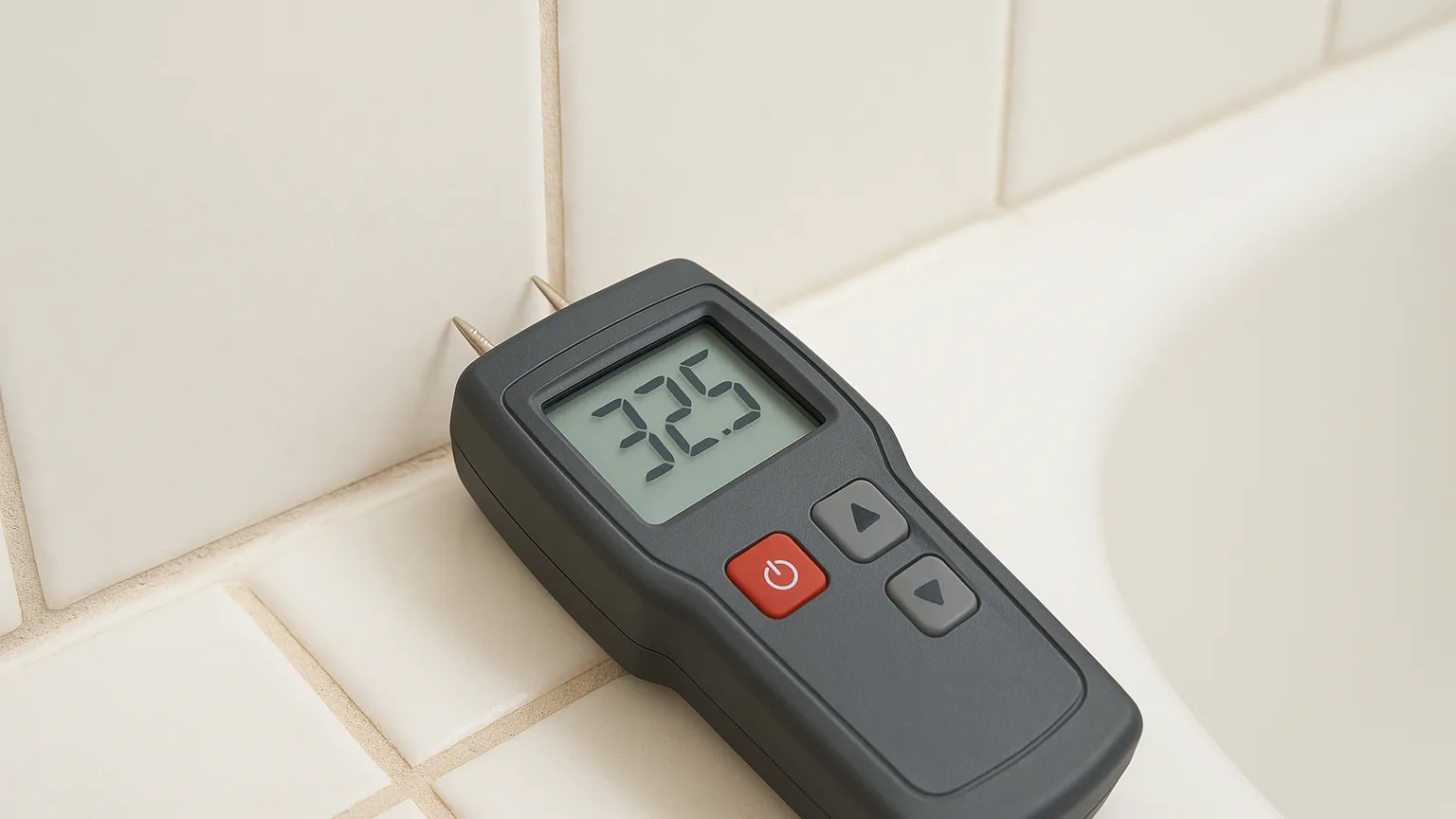
Seven Quiet Warnings You Can Spot Without Tools
These all show up long before a stain appears on a ceiling below. None need tools. All are ignorable, which is exactly the problem.
- A tile that sounds different. Knuckle tap the floor near the tub. Solid tile thuds; tile over wet or lifting subfloor gives a hollow, higher click.
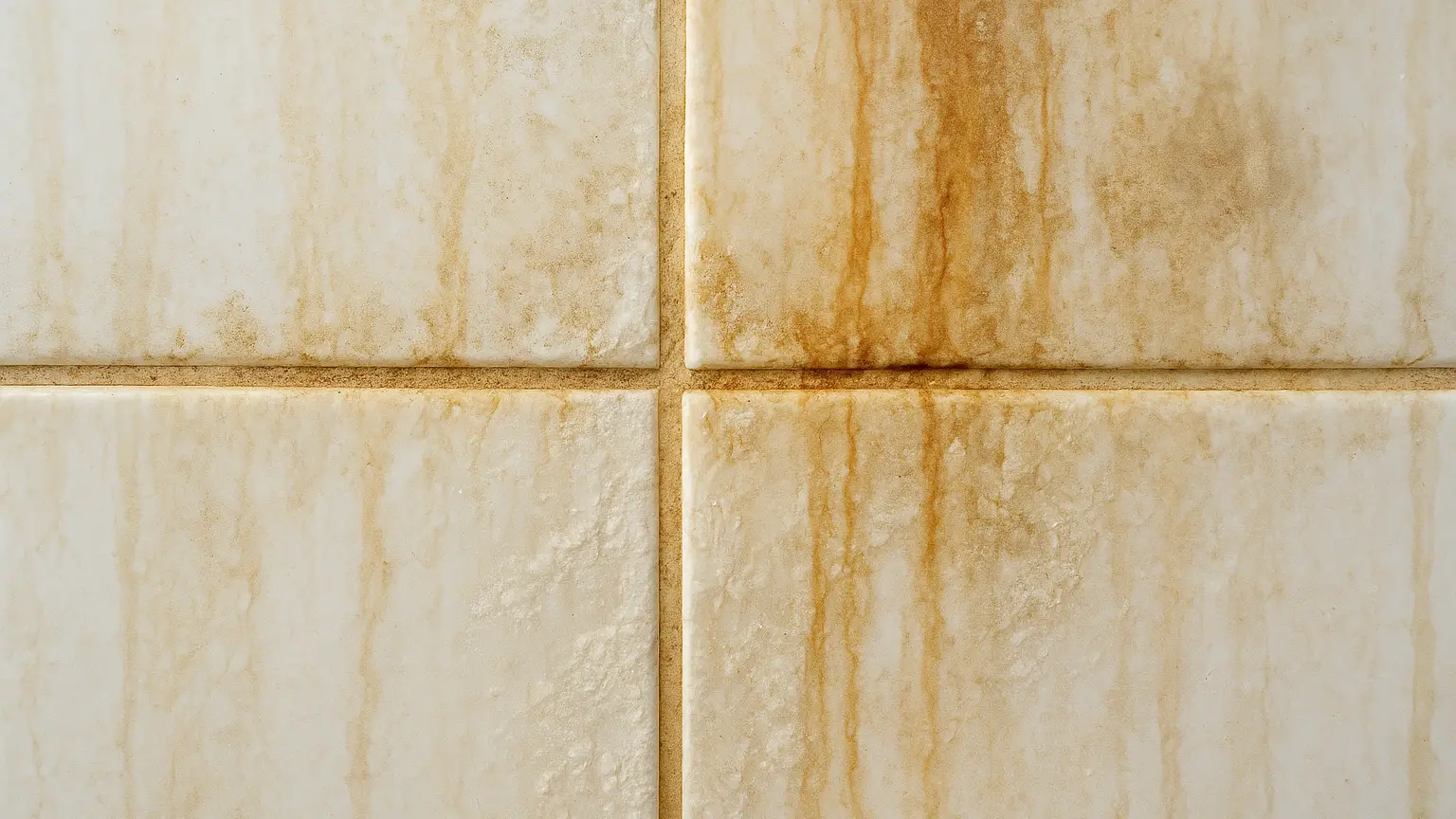
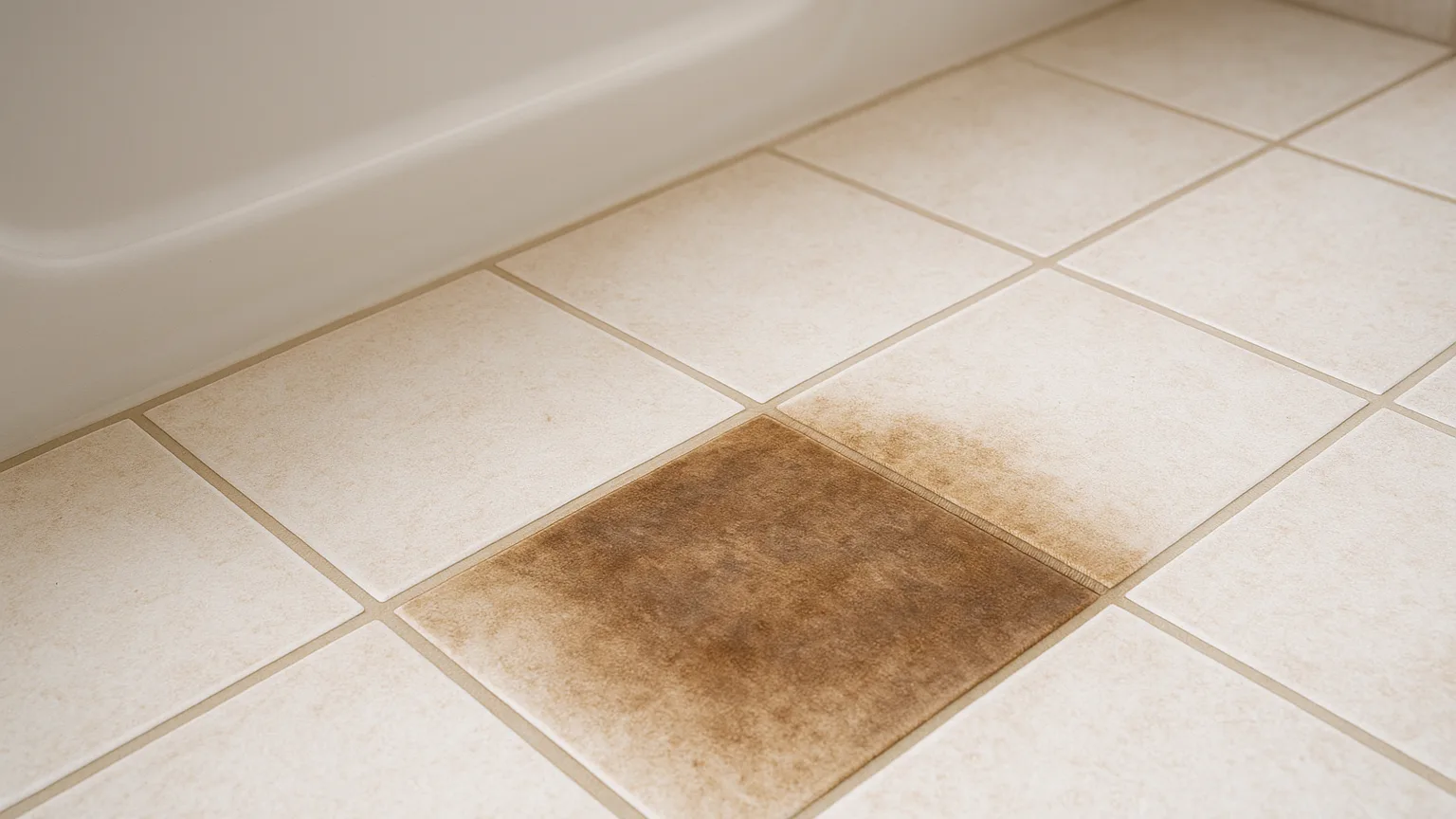
- Grout that stays dark. One section drying slower than the rest after a shower is holding moisture from somewhere other than the shower.
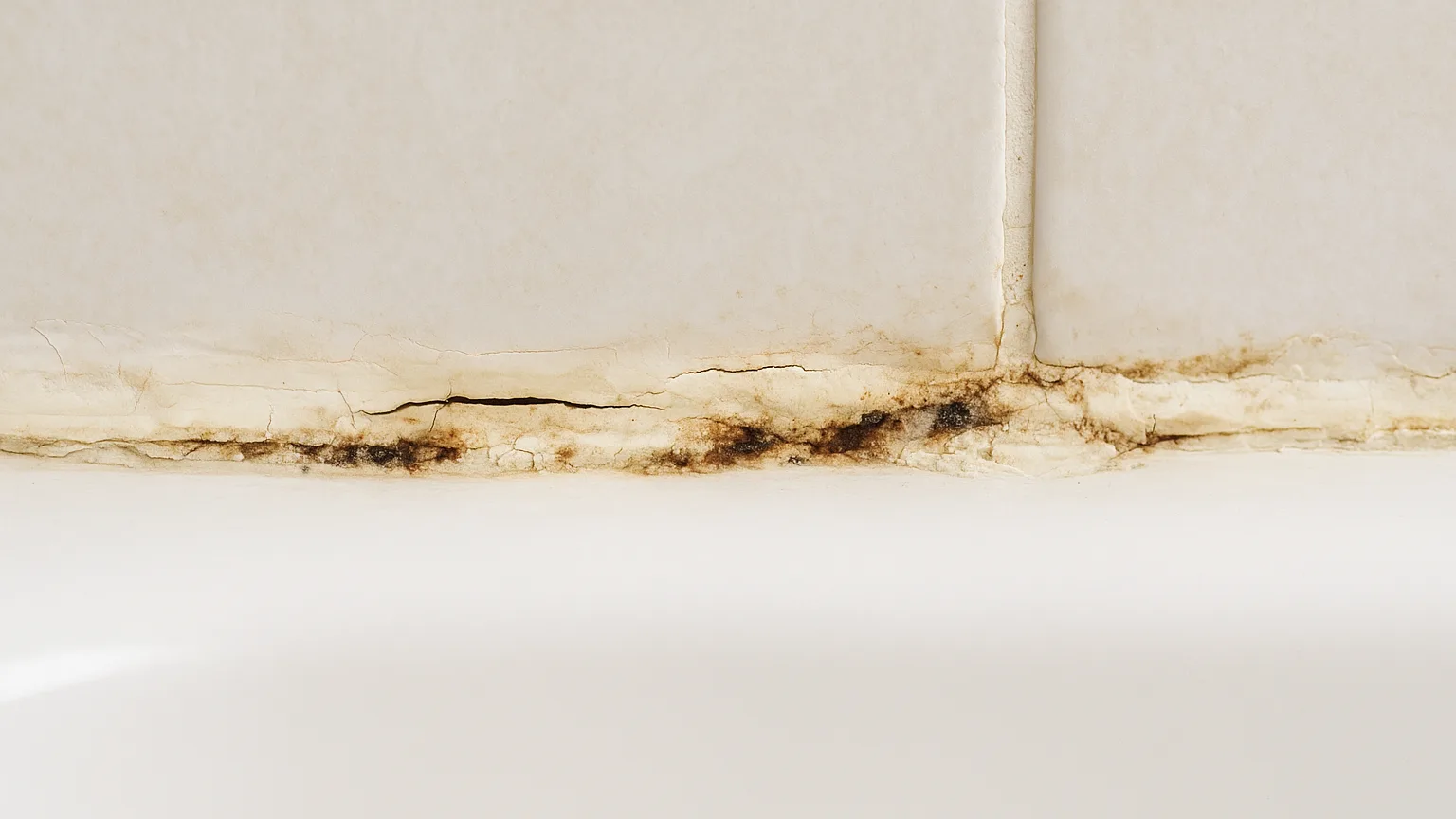
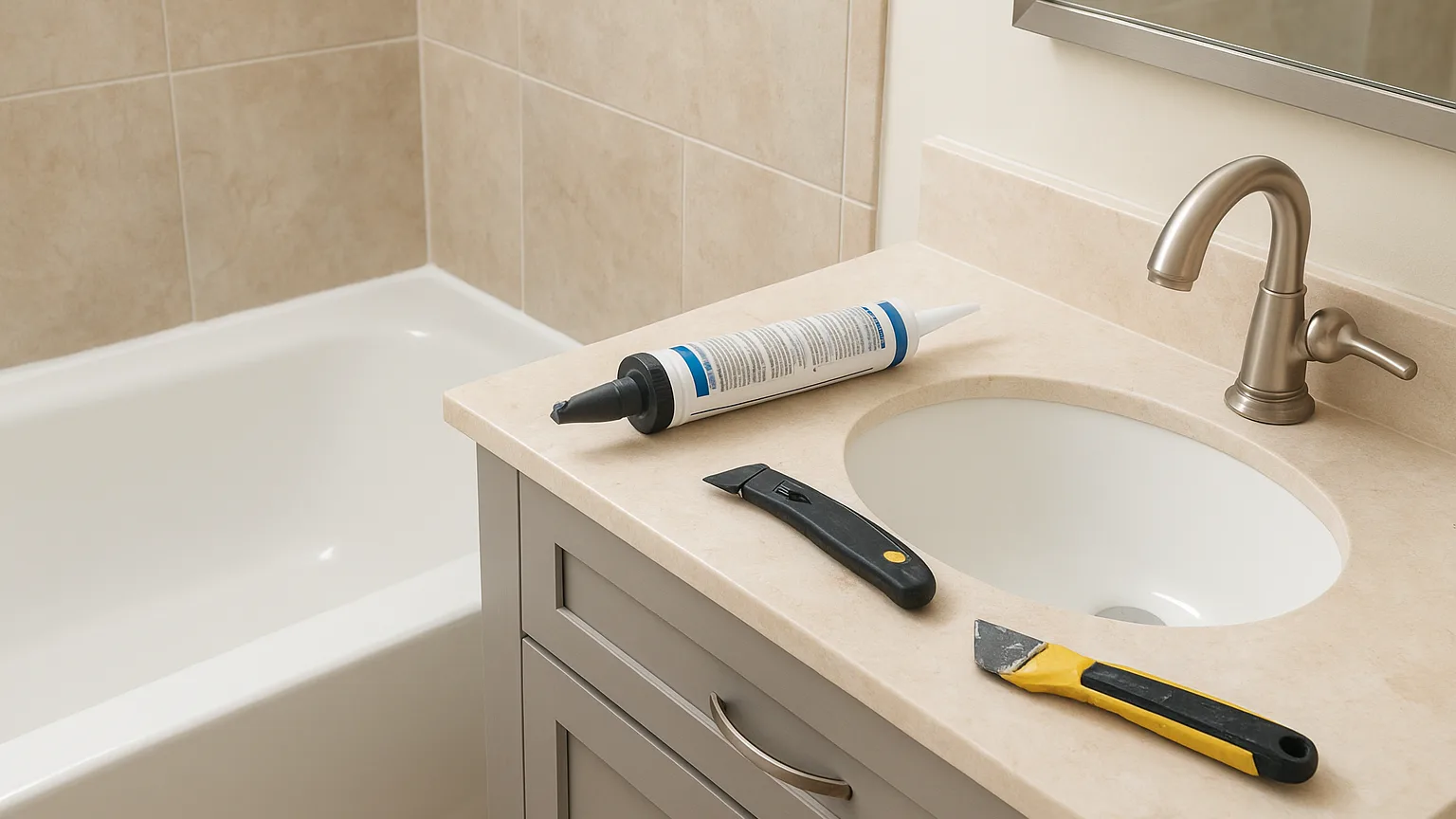
- Caulk that has pulled, not cracked. A hairline crack is age. A gap where the bead has lifted off the tub lip is an open channel.
- A faint sweet or earthy smell near the floor. Crouch and smell at the baseboard. Wet wood has an odor before it has a stain.
- Flex underfoot at the tub apron. Step close to the tub edge, then two feet away. Any difference in how the floor gives back matters.
- Chipped enamel or a rust bloom in the tub. Small now, structural later, which is the whole story of invisible war being waged and why finish damage deserves attention early.
- Paint lifting in a horizontal line on the baseboard. Water wicks up, and the line it leaves is flat and level, unlike splash marks.
Two or more together is not coincidence. It is a pattern, and patterns in bathrooms point downward, toward the subfloor that water damage restoration crews end up tearing out.
Pro Tip: Mark Your Baseline
The first time you run the ten minute check, photograph the caulk lines, grout corners, the ceiling below the tub and the inside of the vanity. Date them in your phone album.
Slow damage is invisible precisely because it is slow; nobody remembers what shade of grey a grout line was last March. A photo does. Compared side by side, changes your eye glosses over jump out, and homeowners with a baseline catch problems a full season earlier than those relying on memory.
Twice A Year, Flashlight And Paper Towel In Hand
Do this twice a year. Pick dates you will remember, like the start of spring and the week the clocks change. Bring a flashlight and a paper towel.
Minutes One Through Three: The Perimeter
Run your fingernail along the caulk line where the tub or shower pan meets floor and wall. You are feeling for lift, not looking for cracks. Wherever your nail catches and goes under, mark it with tape.
Minutes Four Through Six: The Floor
Knuckle tap outward from the tub in a fan shape. Listen, do not look. Then stand on each tile near the tub and shift your weight. It takes less time than wiping a counter.
Minutes Seven Through Ten: Underneath, Behind And Below
Open the vanity, light the back corners, and run a dry paper towel along the supply lines and the P trap. A towel that comes back damp when nothing has run for two hours is a slow weep, the same patient problem described in what's really happening under. Then check the ceiling directly under the tub drain for discoloration, rusting nail heads or hairline bubbles in the paint. Ceilings tell the truth that floors hide.
Pro Tip: The Paper Towel Trick Beats Your Eyes
Condensation and slow leaks look identical on a chrome supply line. Timing separates them. Wipe every line and fitting under the vanity bone dry, then run no water in that bathroom for two hours.
Come back with a fresh towel. Condensation will not have returned in a closed, unused room. A weep will have. Do the same at the base of the toilet and along the tub overflow plate, and a vague worry becomes a yes or no answer in five minutes.
The Moment The Economics Flip
There is a specific moment the economics flip. Before it, a few dollars and an afternoon. After it, demolition.
Still In The Cheap Zone
Caulk has lifted but the subfloor sounds solid. Grout is dark but firm. Enamel is chipped, and the chip is dry and clean edged. A tub with surface damage and a sound shell can usually be refinished rather than replaced, which is where the refinishing side of this series matters most: the shell is the expensive part, and it is often still perfectly good.
The Line You Do Not Want To Cross
The flip happens when wood changes state. Once subfloor plywood delaminates, it never dries back into a structural material; it stays soft. The tile comes up, the tub comes out, and the repair becomes a remodel. That stage is also where mold gets a real foothold, and moisture in wall cavities starts affecting drywall quality in ways paint will not cover.
Full Rebuild Territory
Joists darkened or spongy. Movement in the tub when you step in. Ceiling stains below that return after painting. Now the conversation is framing, and the bill moves by a factor of twenty or more.
If updates are already planned, sequence the work properly, the way people schedule an electrician for smart home upgrades before the walls close up. Open walls are cheap to work in. Closed walls are not.
Pro Tip: Mark Your Baseline
The first time you run the ten minute check, photograph the caulk lines, grout corners, the ceiling below the tub and the inside of the vanity. Date them in your phone album.
Slow damage is invisible precisely because it is slow; nobody remembers what shade of grey a grout line was last March. A photo does. Compared side by side, changes your eye glosses over jump out, and homeowners with a baseline catch problems a full season earlier than those relying on memory.
The Bathroom Was Talking The Whole Time
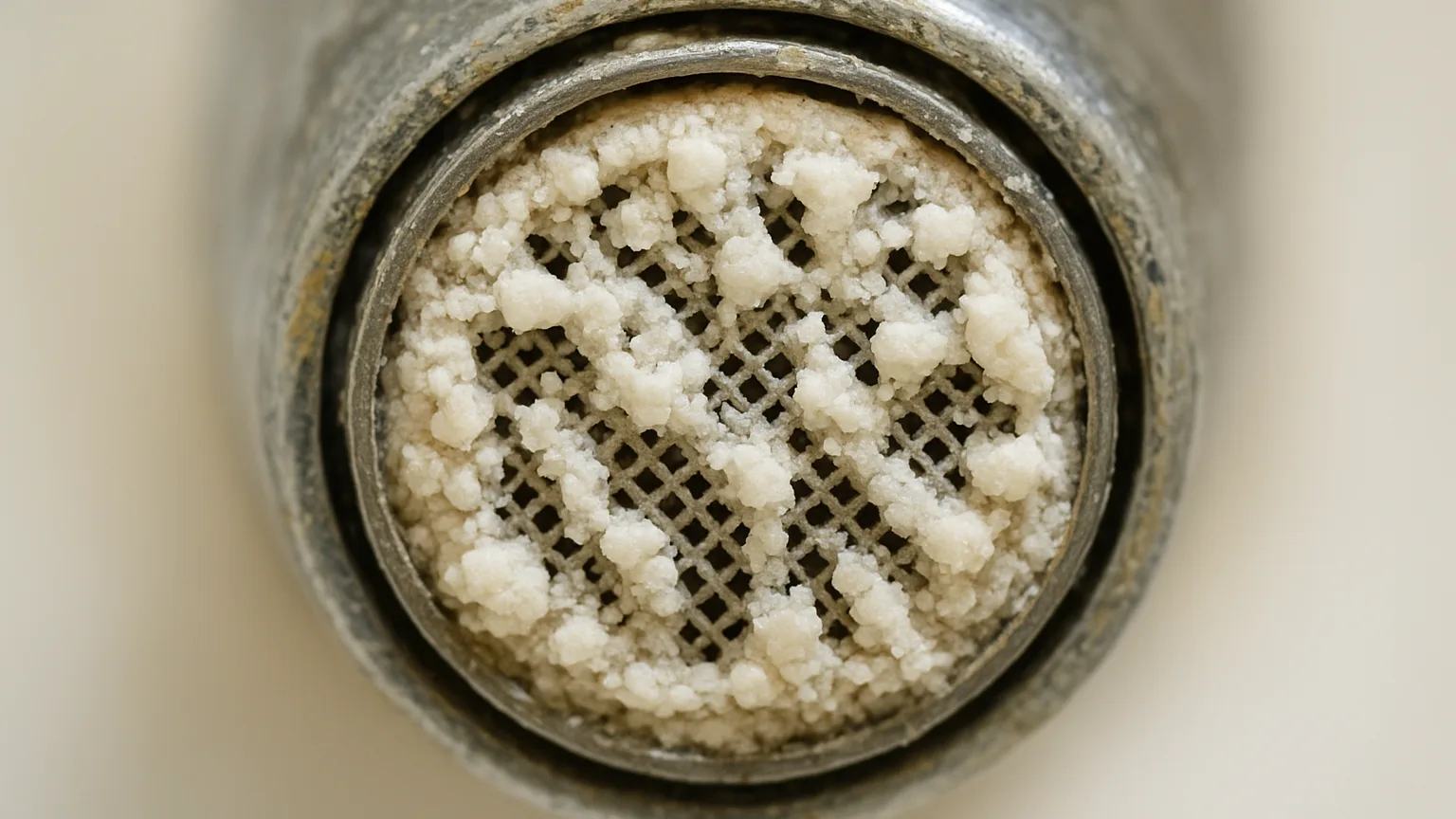
Water does not attack a bathroom. It negotiates with it, finding the one chip in the enamel, the one lifted bead of caulk, the one joint where two materials move at slightly different rates. Minerals dull the finish, a chip opens the metal underneath, tired caulk opens the floor, and the subfloor quietly gives up months before anyone notices. None of it happened overnight, and none of it was invisible to someone willing to kneel down and tap a tile.
The repair window is free, it is generous, and it closes whether or not you use it. Twenty minutes a year buys the cheap version of every problem described here. Miss it and you are not buying caulk, you are buying plywood, tile, a tub, a vanity and a week of your house torn open. Set a reminder, grab a flashlight, and go listen to your bathroom.