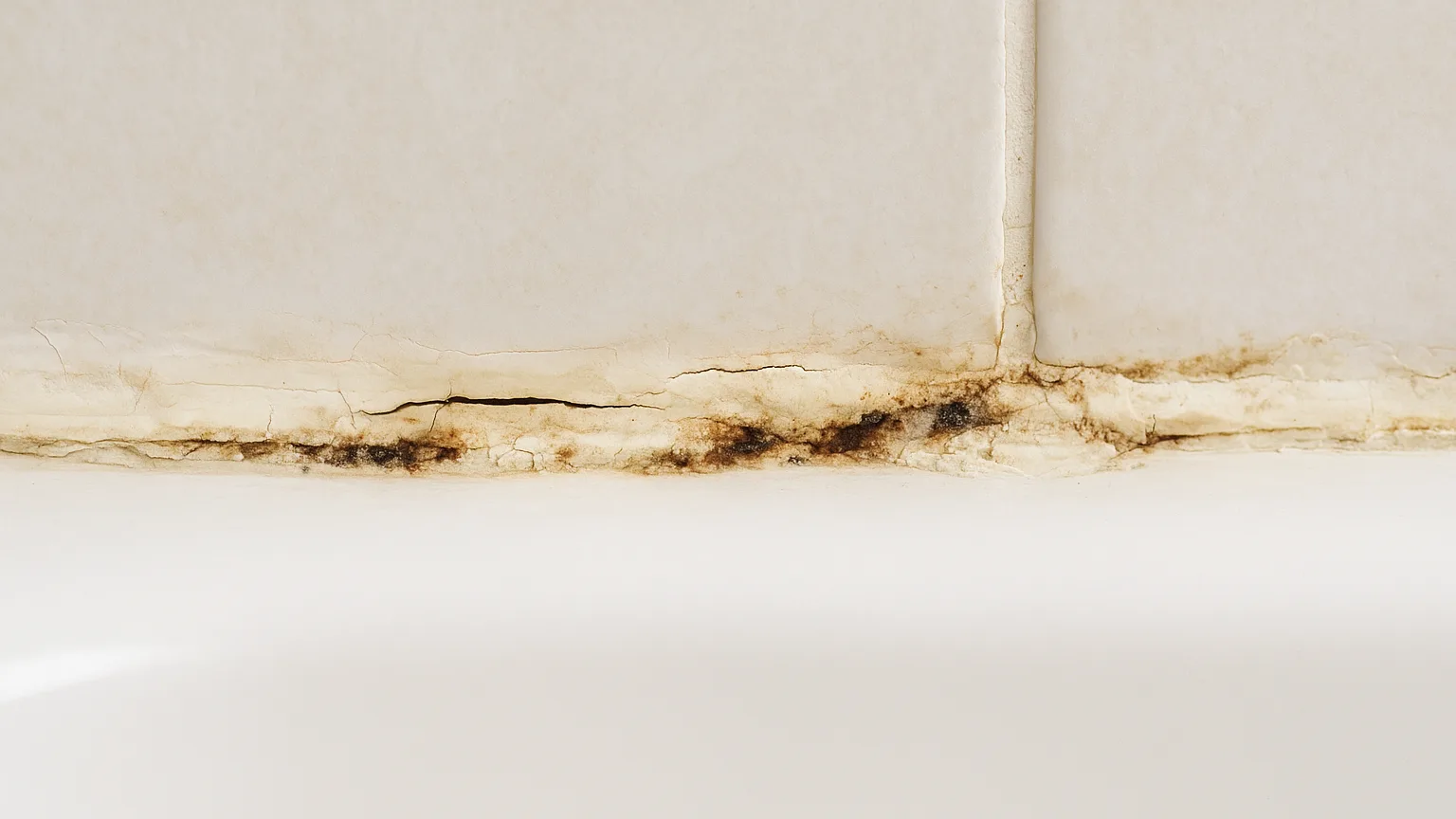
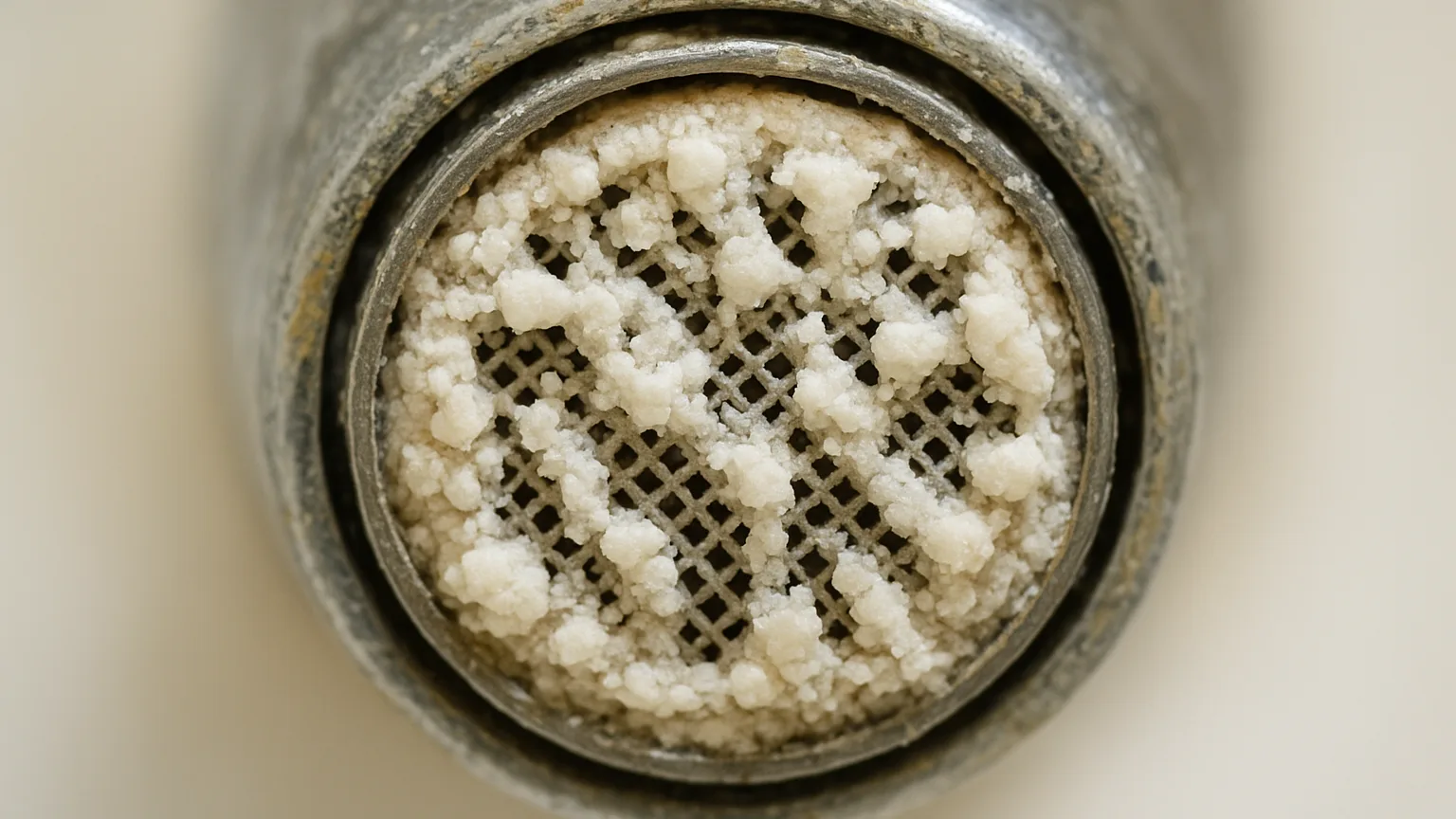
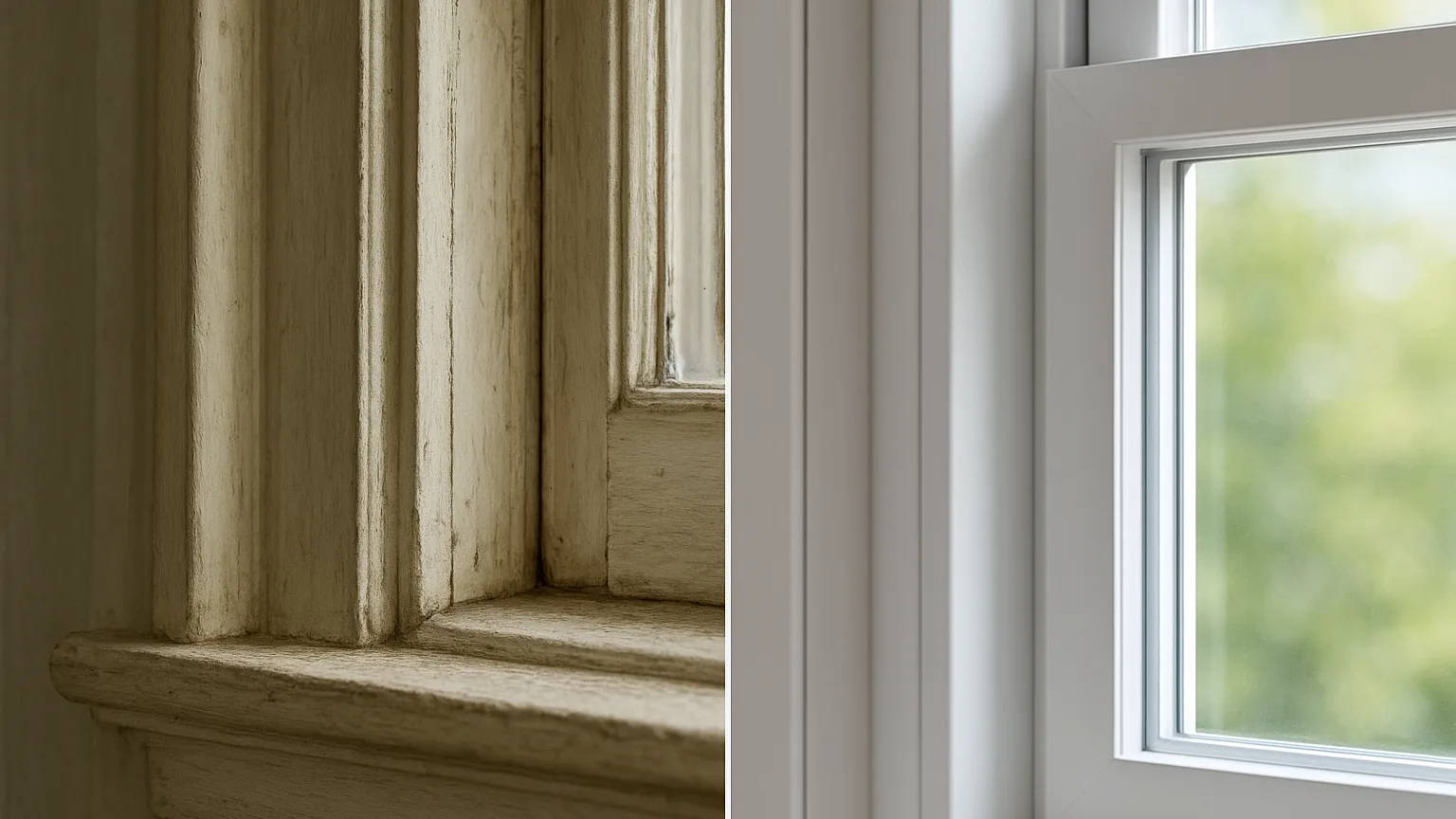
Most people think a clean house comes down to effort. Scrub more. Wipe more. Buy a stronger spray. But the same spots get dirty again and again: the crumb line where the counter meets the backsplash, the gray grout by the shower door, the pile of mail that never leaves the kitchen island.
Those spots are not a cleaning problem. They are a design problem. Every seam, ledge, gap and open shelf is a little address where dust, grease and germs can move in. A remodel is your one real chance to cancel those addresses before the first new wall goes up.
Count the Dirt Addresses Before You Pick a Single Finish
Rebecca Mead shares a simple habit with clients. Before you choose tile or paint, walk each room with a notepad and count every place dirt can hide: counter seams, grout lines, gaps between the fridge and the cabinets, dusty cabinet tops, carpet in a room that sees muddy shoes. Write the number down for each room, then plan to cut it in half. You are not chasing a sterile home. You are chasing fewer places to scrub.
Soft surfaces fit this thinking too. A low-pile carpet in a bedroom, kept up with an occasional professional carpet cleaning, holds far less grime than a shaggy rug by the back door ever will.
"People are shocked when they see the count," says Rebecca Mead. "A kitchen with forty dirt traps feels messy no matter how often you clean it. Get it to fifteen and the room almost cleans itself."
Seamless Surfaces That Give Grime Nowhere to Land
Seams are where spills go to hide. Every joint in a counter or wall is a tiny trench where water sits, crumbs pack in and mold finds a home. The fewer joints you have, the faster a quick wipe actually gets the job done, from the first round of construction dust cleanup to everyday spills.
Countertops Without the Crumb Trap
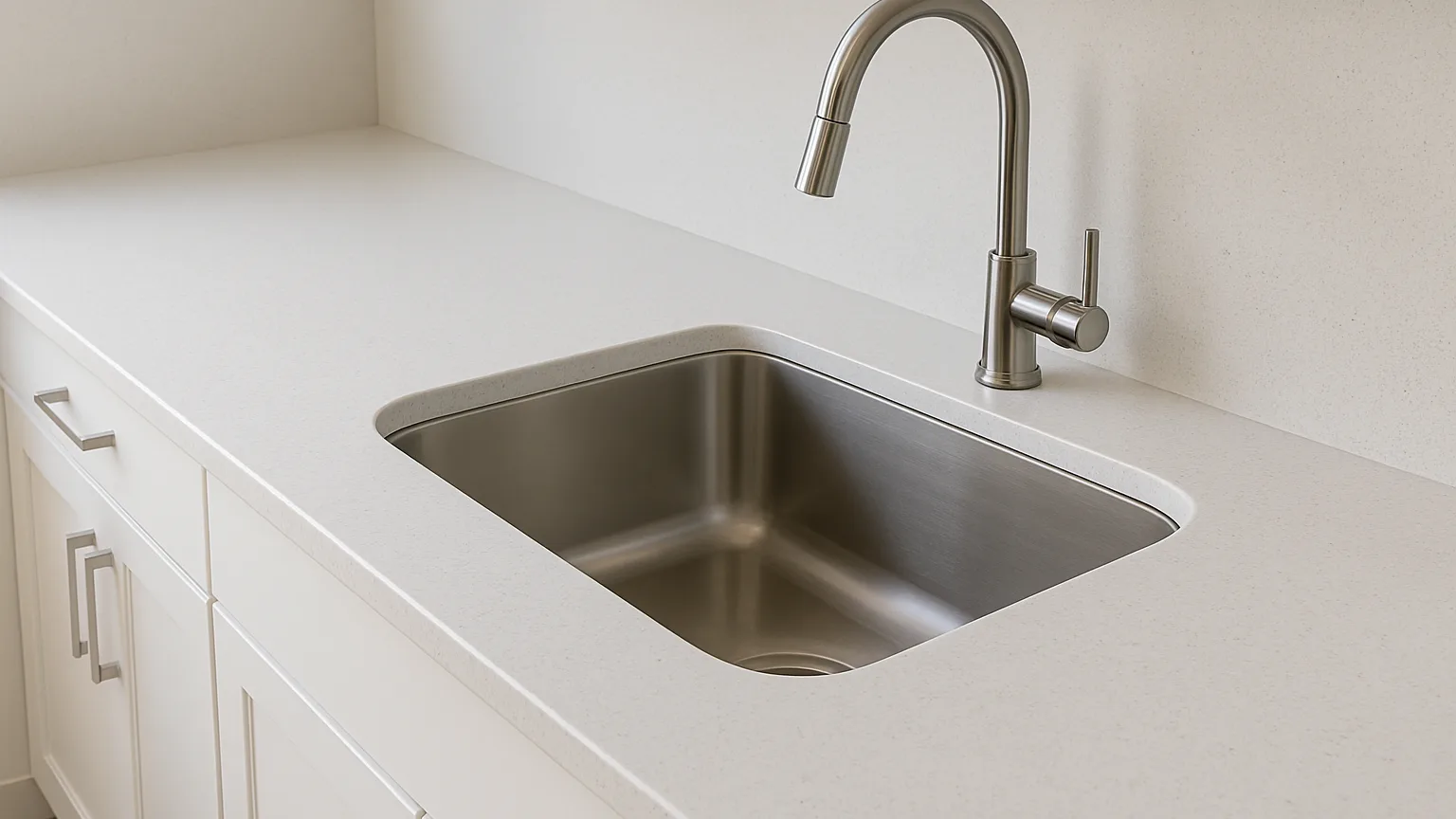
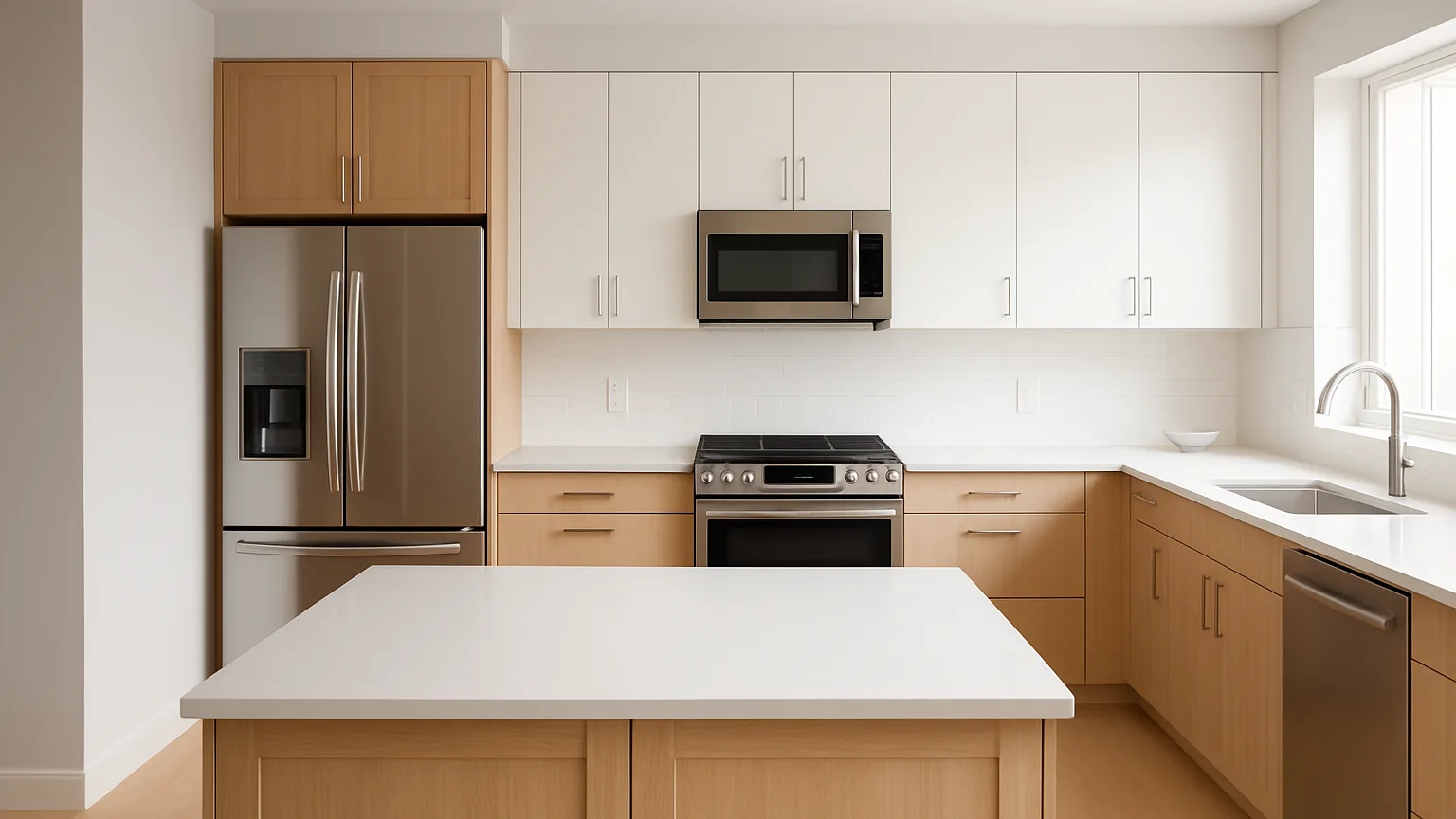
Quartz and solid surface tops are top picks for easy cleaning. They need no sealing and do not soak up coffee or wine. Solid surface can even have the sink built right into the counter, so there is no rim and no gunk ring.
A few small choices make a big difference:
- Undermount sinks let you sweep crumbs straight into the basin.
- Full-height slab backsplashes replace dozens of tile joints with one smooth panel.
- Simple eased edges wipe clean in one pass, while fancy ogee edges catch grease in their curves.
- Long, unbroken runs keep seams away from the sink and stove, where messes happen most.
Fewer Grout Lines, Fewer Weekend Chores
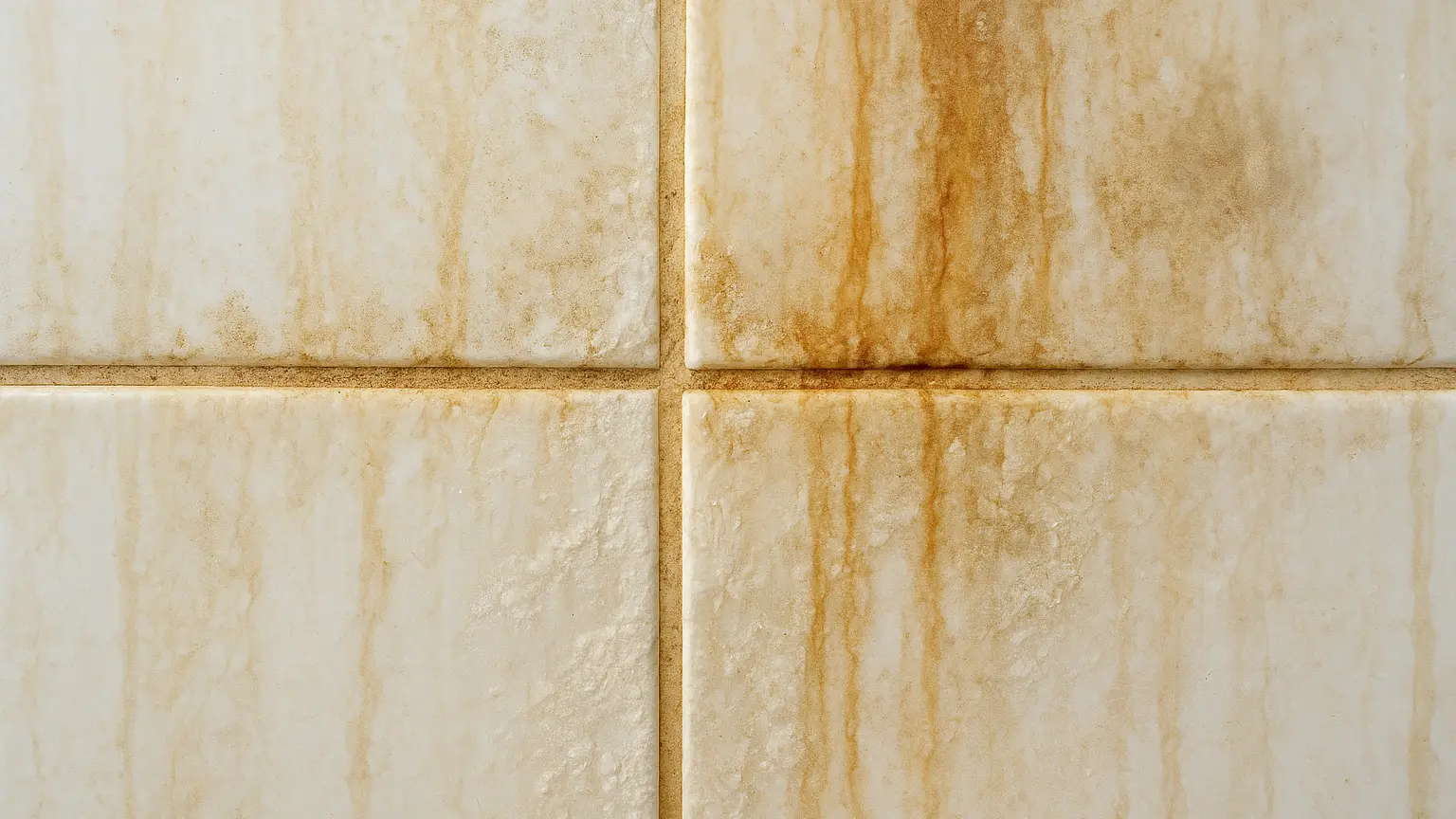
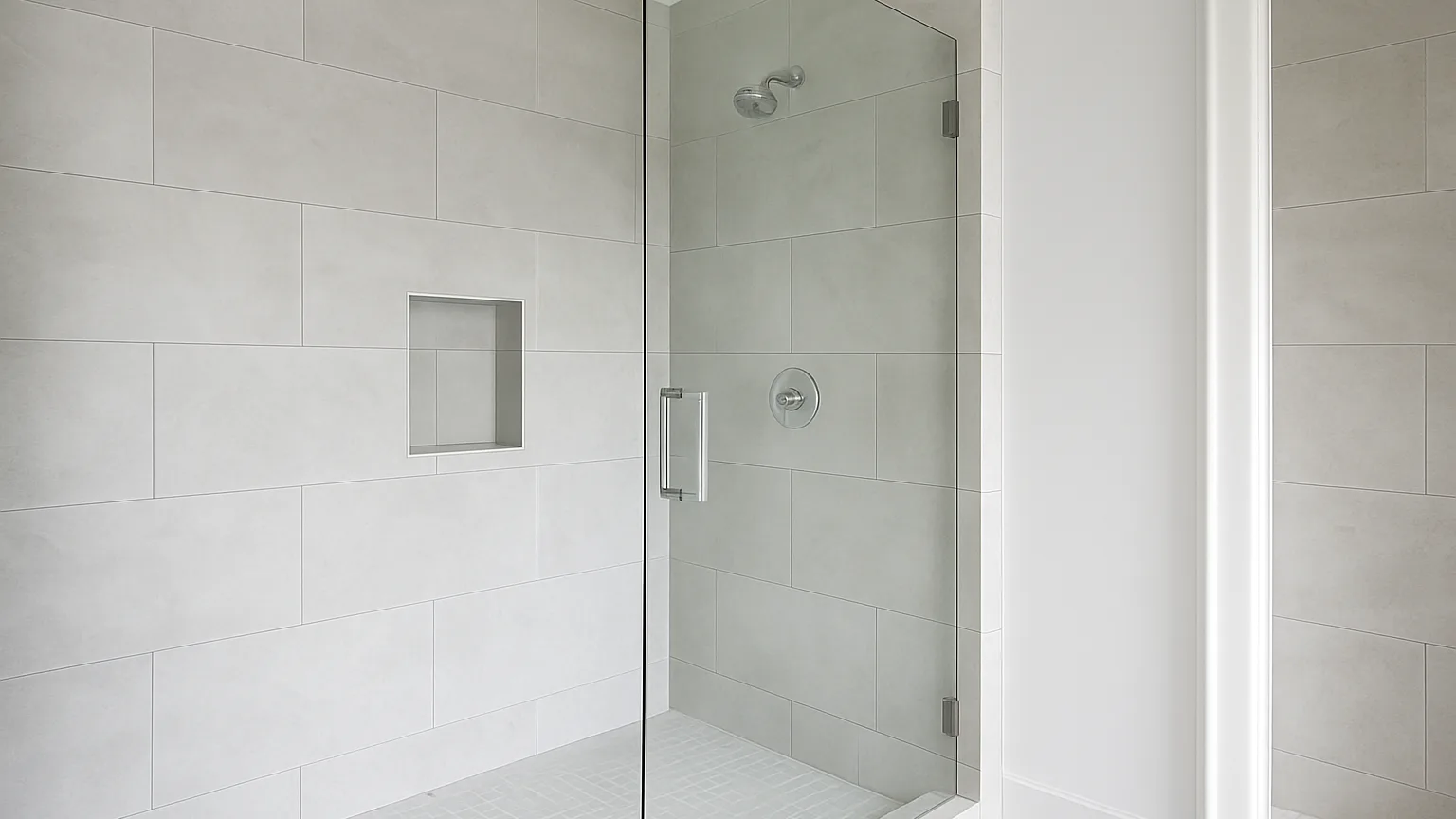
Grout is porous, and it stains. The fix is not better scrubbing. It is less grout. Large-format tiles, such as 24 by 48 inches, cover a floor with a fraction of the joints small tile needs. Rectified tiles have crisp, factory-cut edges, so your setter can use very thin grout lines.
In the shower, solid wall panels skip grout entirely. If you love tile, ask for epoxy grout, which resists stains and does not need sealing like standard cement grout does.
A curbless shower with a linear drain helps too. You squeegee water in one direction, there is no curb corner to collect soap scum, and the bathroom becomes safer as you age.
Pro Tip: Ask your tile setter for a layout drawing before install day. A good layout places cut tiles and joints away from wet zones and high-traffic paths.
Also pick a grout color one shade darker than your tile. It hides normal wear, so your floor looks clean between deep cleans, not just right after them.
Storage That Hides Clutter Before It Becomes Dust
Clutter is a dust magnet. Every item left out on a counter or shelf has to be lifted, wiped and set back down. Most people skip that step, so dust builds up around the things they own. Hidden storage gives stuff a home behind a door.
Start where clutter lands most: the entry, the kitchen island and the bathroom vanity. A drop zone by the garage door with hooks, a bench and closed cubbies stops shoes, bags and mail at the door. In the kitchen, an appliance garage keeps the toaster and coffee maker off the counter but close at hand.
Take upper cabinets all the way to the ceiling to remove the greasy ledge on top that nobody cleans. Toe-kick drawers add storage in a space that usually just collects crumbs. Many of the best storage strategies for Phoenix homes work the same way, turning dead gaps into closed space that stays clean.
Open shelving looks great in photos. In real life, it means dusting every plate and jar. If you love the look, keep it to one short run filled with things you use daily, so they never sit long enough to gather dust.
Air That Does Some of the Cleaning for You
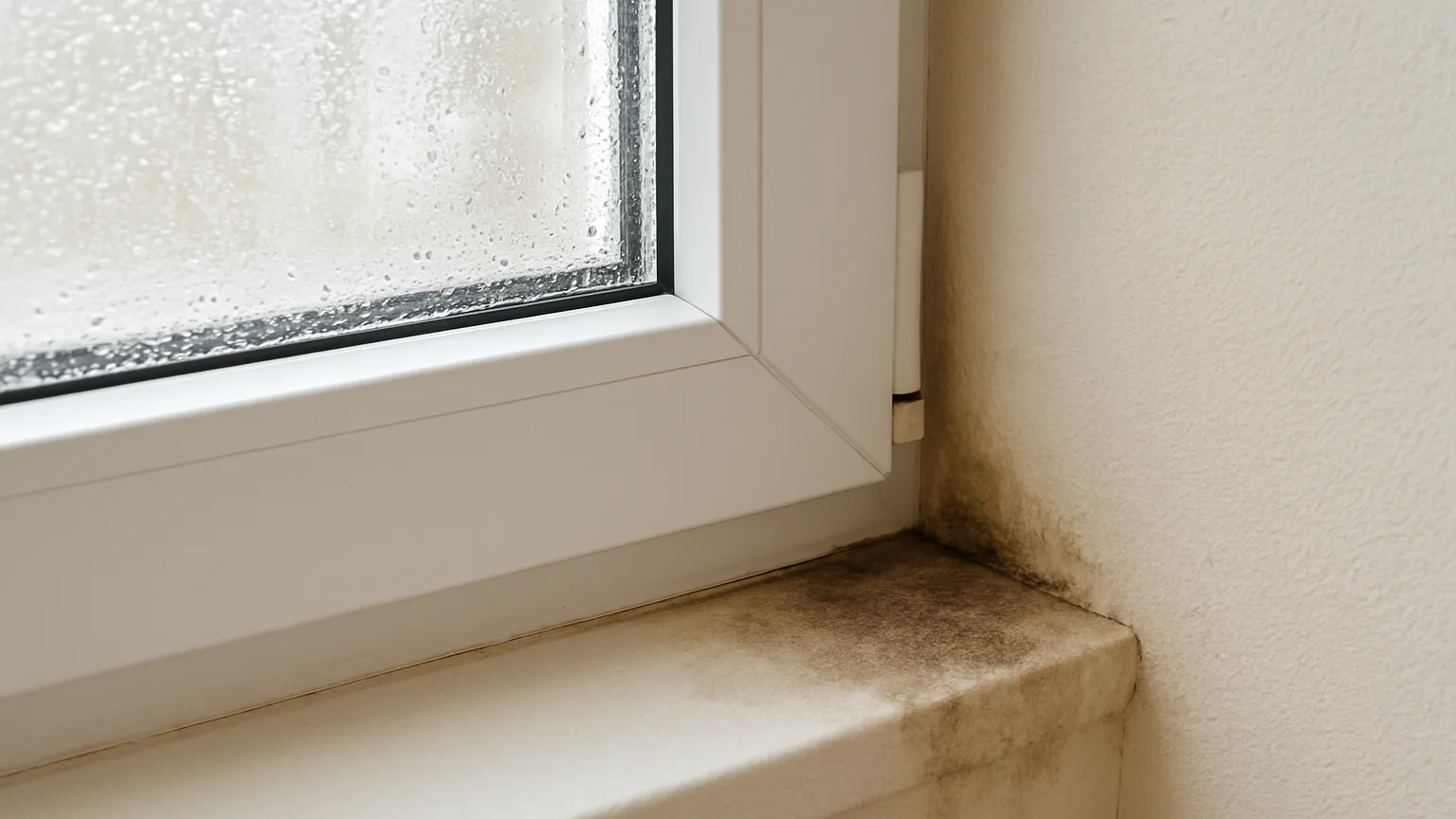
Steam and cooking grease float up and settle on cabinets, walls and ceilings, and damp air feeds mold in bathrooms. Good ventilation pulls all of that outside before it lands.
- Ducted range hood: Vent it outside. Recirculating hoods leave much of the grease behind.
- Right-sized bath fan: Match the fan to the room and choose a quiet model, so people actually run it.
- Humidity sensor or timer switch: The fan runs after a shower without anyone needing to remember.
- Better HVAC filters: A MERV 11 filter catches much more dust than a basic one.
- Fresh air system: An energy recovery ventilator brings in outdoor air while keeping heating and cooling costs in check.
Pro Tip: For bathrooms under 100 square feet, a common rule is about 1 CFM of fan power per square foot of floor. Bigger rooms or rooms with a jetted tub need more.
Ask your contractor to vent the fan straight outside through the roof or wall. A fan that dumps damp air into the attic only moves the mold problem upstairs.
Carpet or Hard Floors? Let Each Room Decide
The carpet versus hard floor debate misses the point. Neither one is cleaner everywhere. The secret is putting each where it does its best work, based on what the room faces every day: water, food, mud or just bare feet.
Where Hard Flooring Wins
Any room with water, food or outdoor dirt needs a hard floor. That includes entries, kitchens, baths, laundry rooms and mudrooms. Porcelain tile and luxury vinyl plank are both tough choices, and vinyl plank is waterproof, warm underfoot and has very tight seams. If you are weighing options, a primer on flooring 101 basics can help you compare how each material handles heat, sun and daily traffic.
Run the same hard floor through connected spaces when you can. Fewer transition strips mean fewer ridges that trap dirt and fewer edges for a vacuum to bump.
Where Low-Pile Carpet Earns Its Place
Bedrooms, home offices, media rooms and upstairs halls get bare feet, not muddy boots. Carpet makes these rooms quieter and warmer, and as the link between carpets and indoor air shows, its fibers hold dust until you vacuum it up instead of letting it float around.
Look for low-pile or tight-loop carpet, ideally under half an inch tall. Solution-dyed nylon or polyester resists fading and stains because the color goes all the way through each fiber.
"Low-pile carpet with built-in stain resistance is the easiest to keep fresh," says Marcus Ellery, senior carpet care technician at Dr Chemdry. "Dirt stays near the surface, so regular vacuuming and a professional cleaning about once a year can keep it looking new for a long time."
Habits That Keep Carpet Healthy
- Vacuum high-traffic paths at least twice a week.
- Blot spills right away. Never rub, since that pushes stains deeper.
- Add a hard-floor landing zone before every carpeted room.
- Book a deep clean every 12 to 18 months, or sooner with pets.
Pro Tip: Ask your tile setter for a layout drawing before install day. A good layout places cut tiles and joints away from wet zones and high-traffic paths.
Also pick a grout color one shade darker than your tile. It hides normal wear, so your floor looks clean between deep cleans, not just right after them.
Build It Once, Clean It Less
A cleaner home starts on the drawing board, not under the sink with a bucket. Count your dirt addresses and remove as many as you can. Choose seamless counters, big tiles with thin or epoxy grout, and shower panels that skip grout entirely. Hide clutter behind doors, and let ducted hoods, smart bath fans and better filters pull grease and moisture out before they settle.
Finally, let each room choose its floor: hard surfaces where water, food and mud show up, low-pile carpet where feet are bare. Make these choices during your remodel, and you will spend fewer weekends scrubbing and more enjoying the home you built.