Most people see the yard as the pretty part of the house. This series sees it as a working layer. Sun, rain and roots hit your yard first, before they ever reach your walls. It is written for homeowners who planted a tree, added a garden bed, or found a damp basement corner and wondered how it all connects.
The ground this covers
- Which side of your house a shade tree must stand on to actually cut cooling costs
- How to spot soil that has slowly started sloping back toward your foundation
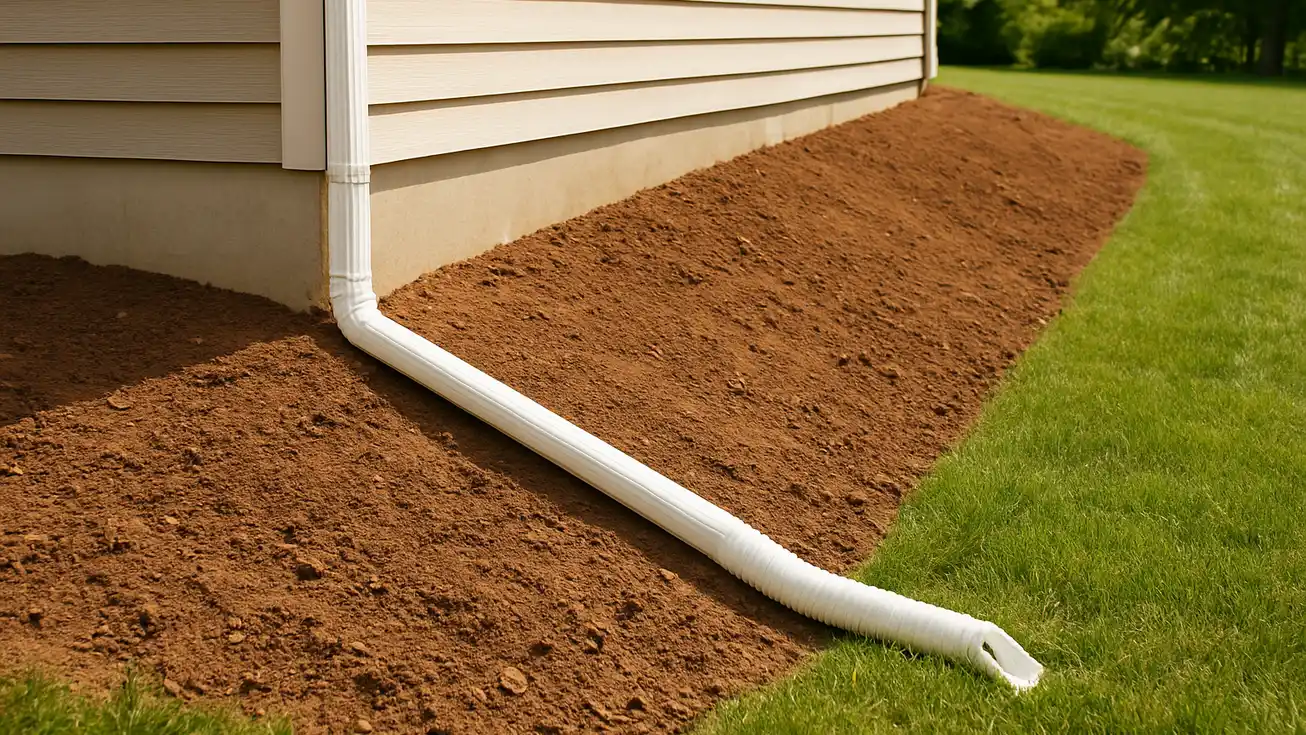
- How far downspout water needs to travel before it stops being a basement risk
- How to space shrubs and trees by their mature size, not their nursery pot size
- How shade, drainage and spacing fit together into one plan for your yard
The Living Perimeter follows one chain of events from start to finish. A shade tree goes in to cut cooling bills. That planting changes where rain flows. Then, as everything grows, roots and branches creep toward siding, slab and pipes. Each step sets up the next one.
Field insight from Desert Vine Landscaping, a crew that works through hard sun, hard soil and sudden storms, helped shape the practical numbers used across the series.
A Yard That Guards Your House
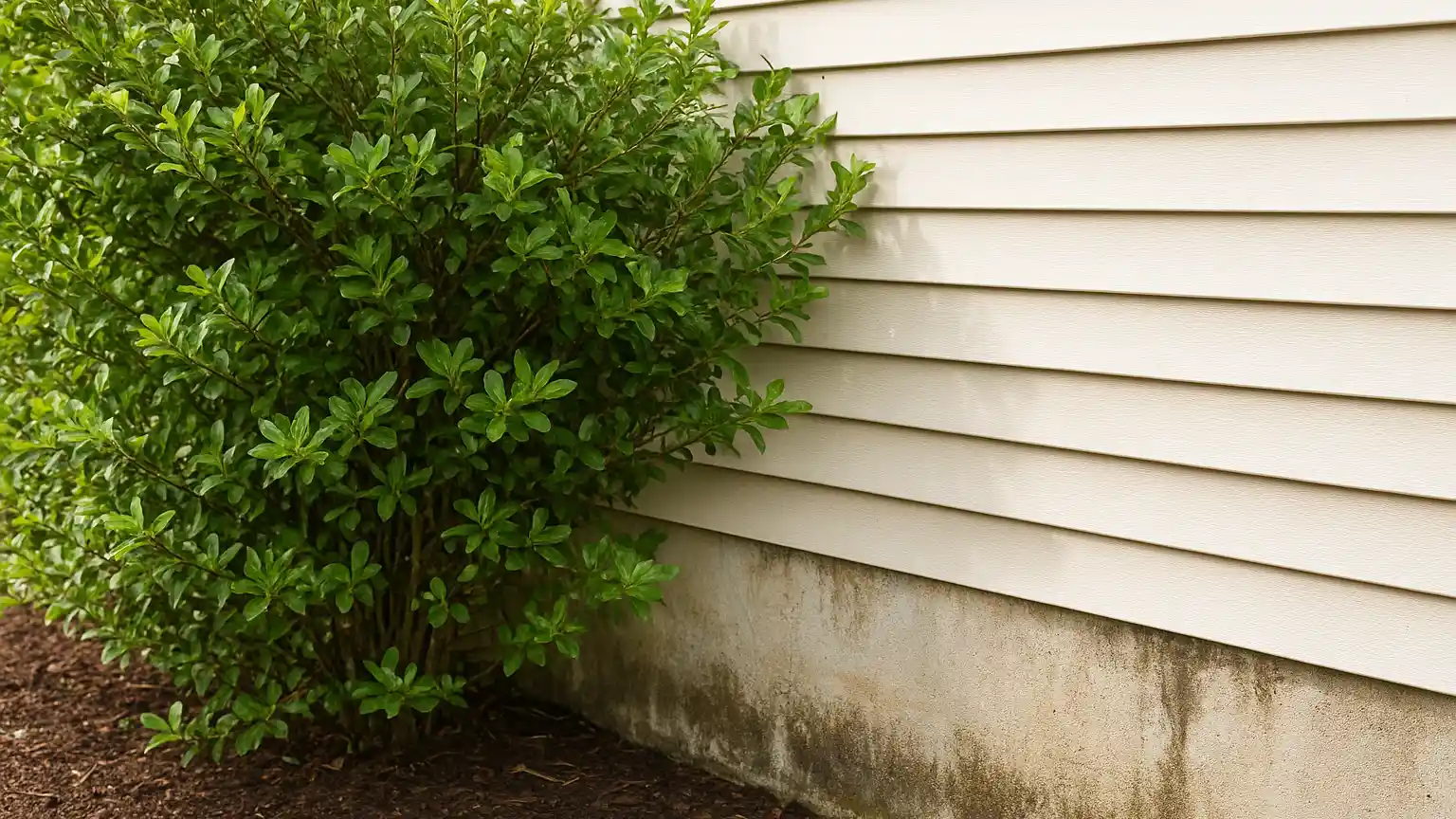
Shade That Earns Its Place
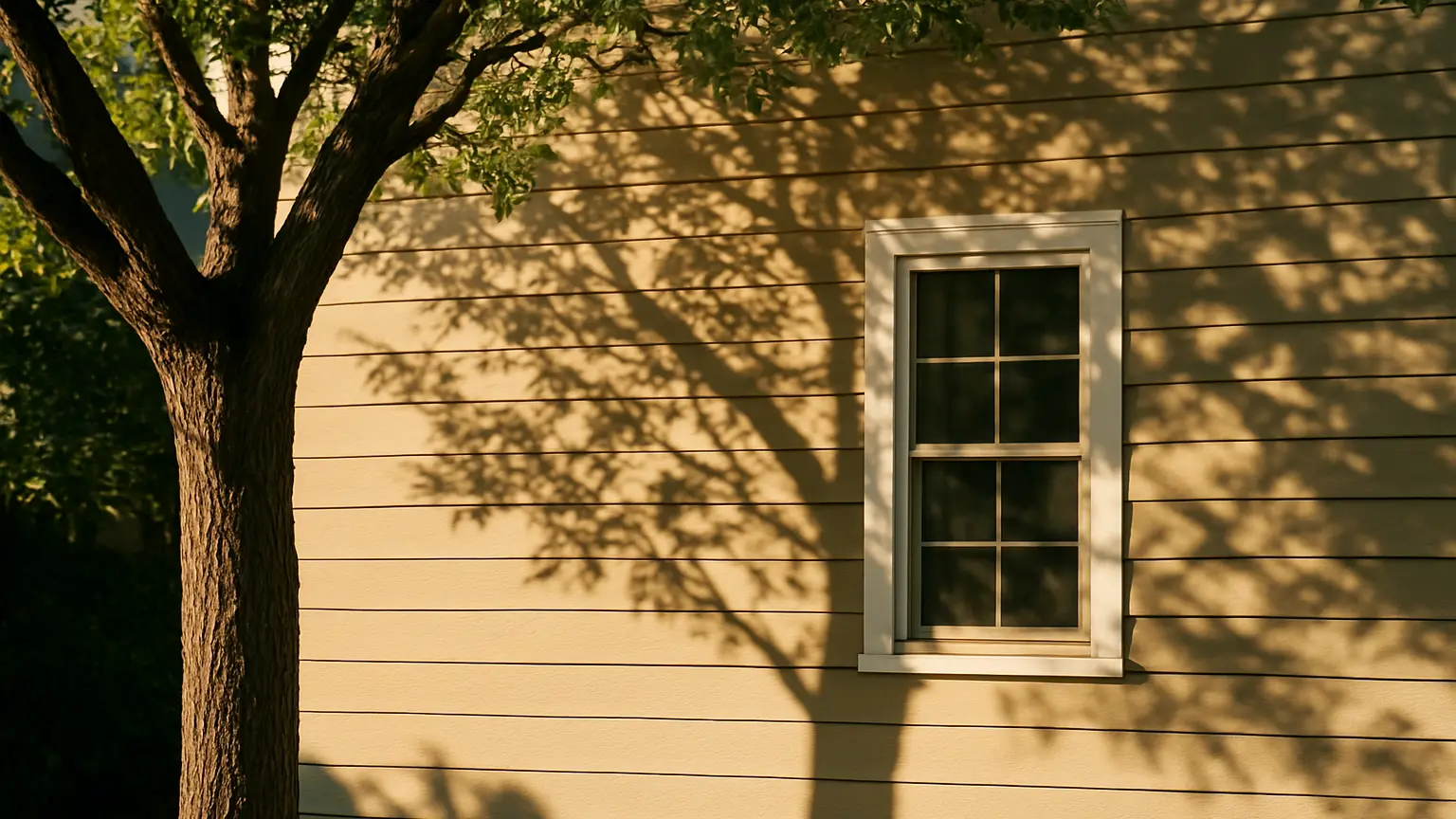
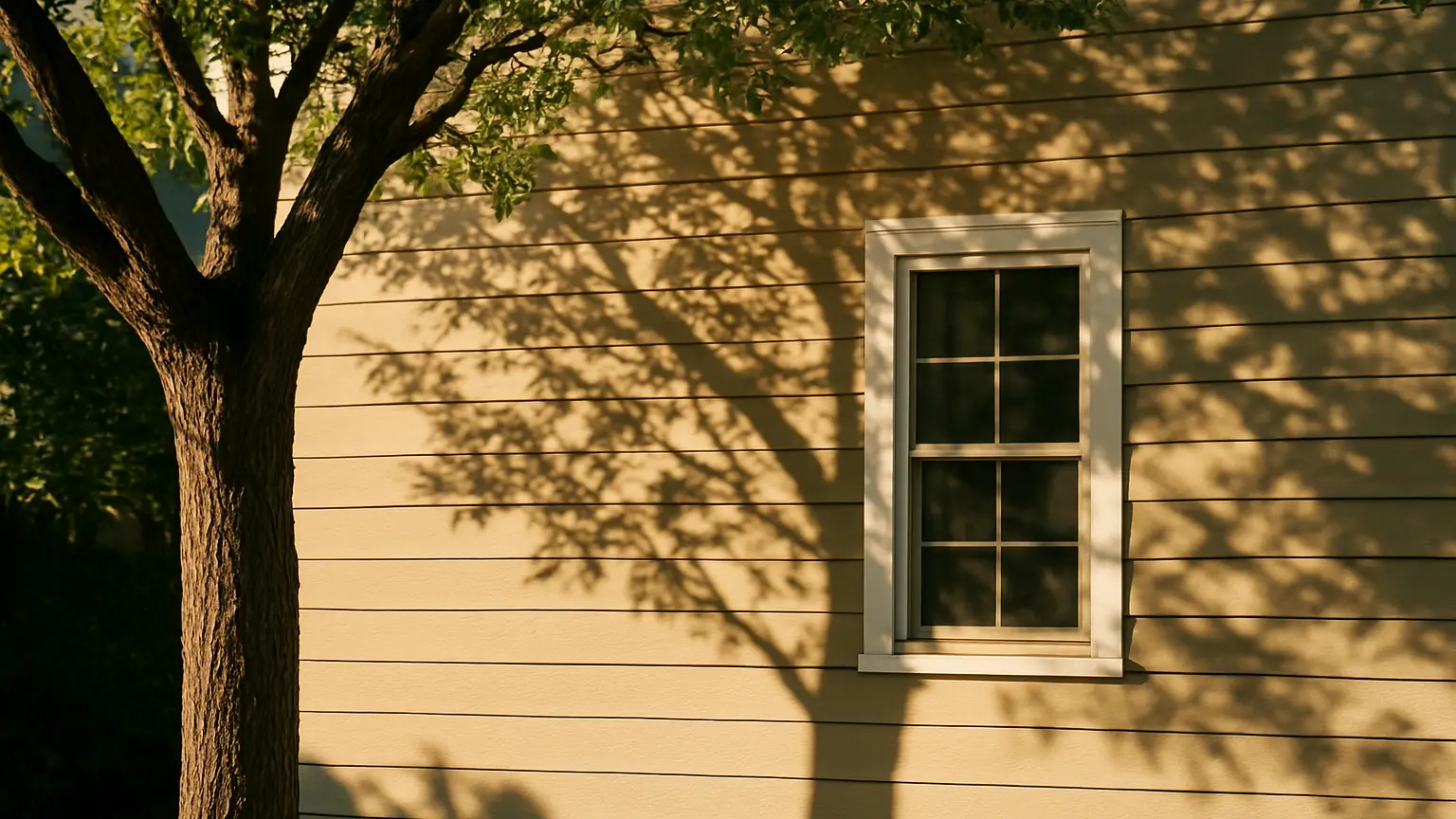
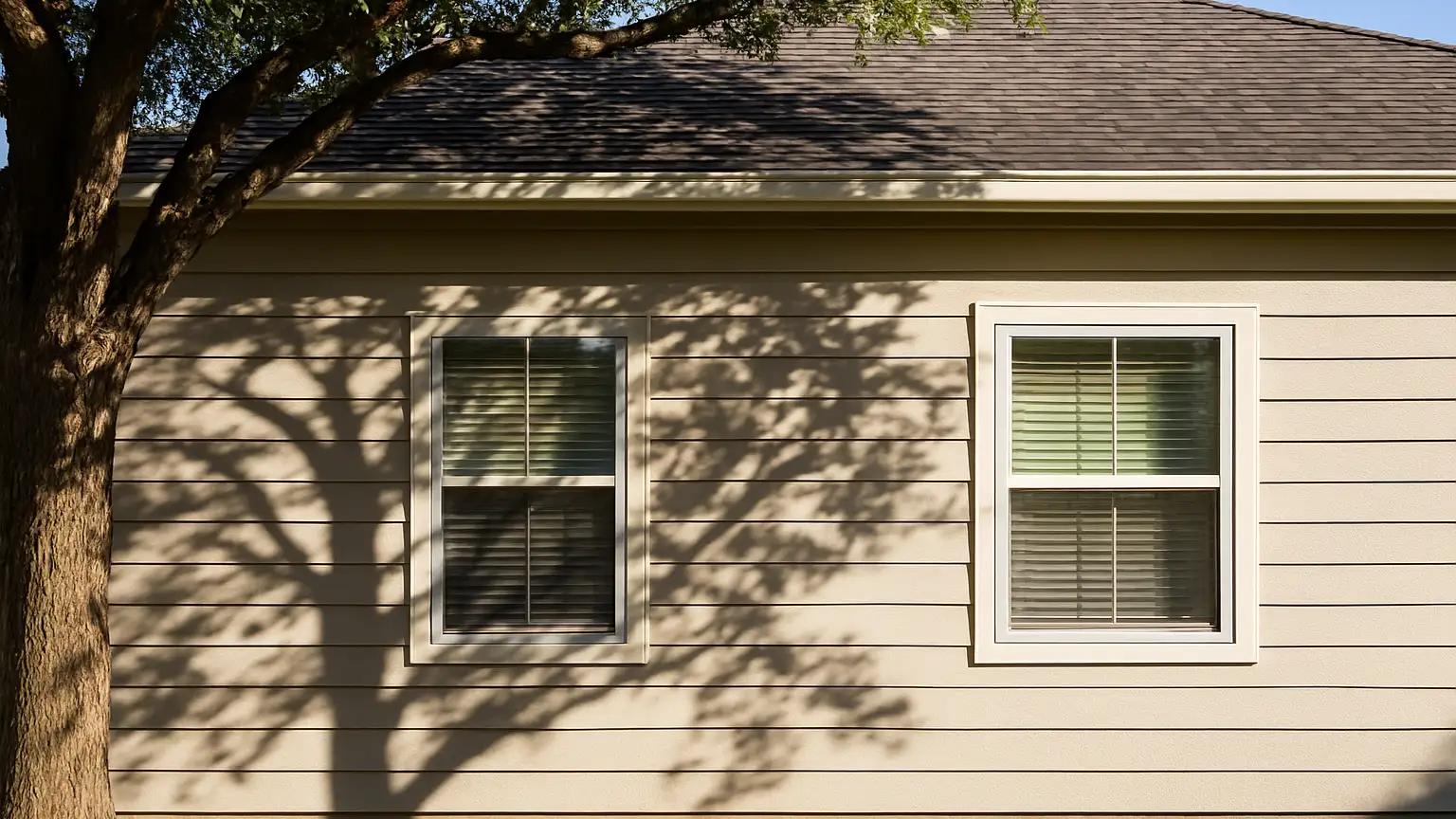
A new tree can look perfect and still do nothing for your July power bill. The reason is almost always position. The sun rides high at midday and drops low in the west by late afternoon. That is when walls and windows soak up the most heat.
What Decides Whether Shade Pays Off
- Which side of the house the tree stands on
- How tall and wide the canopy will be when fully grown
- Whether the tree drops its leaves in winter and lets warm sun back in
Get these right and shade becomes part of your cooling system instead of simple decoration.
Pro tip: Before you plant, stand where the tree will go at about 4 p.m. on a summer day and look back at the house. If its future shadow would not reach a west or south wall, choose a different spot.
Where the Rain Goes Next
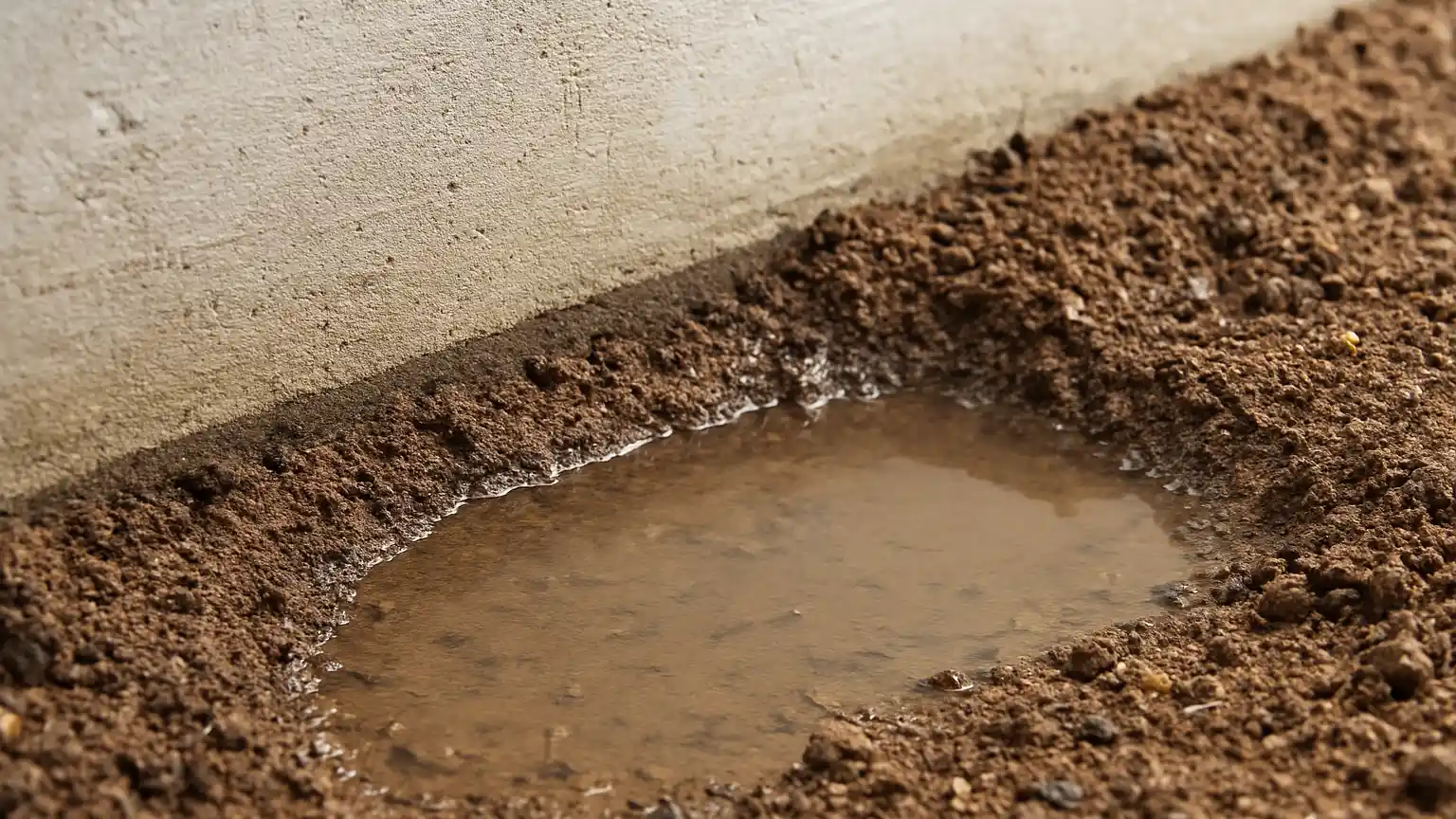
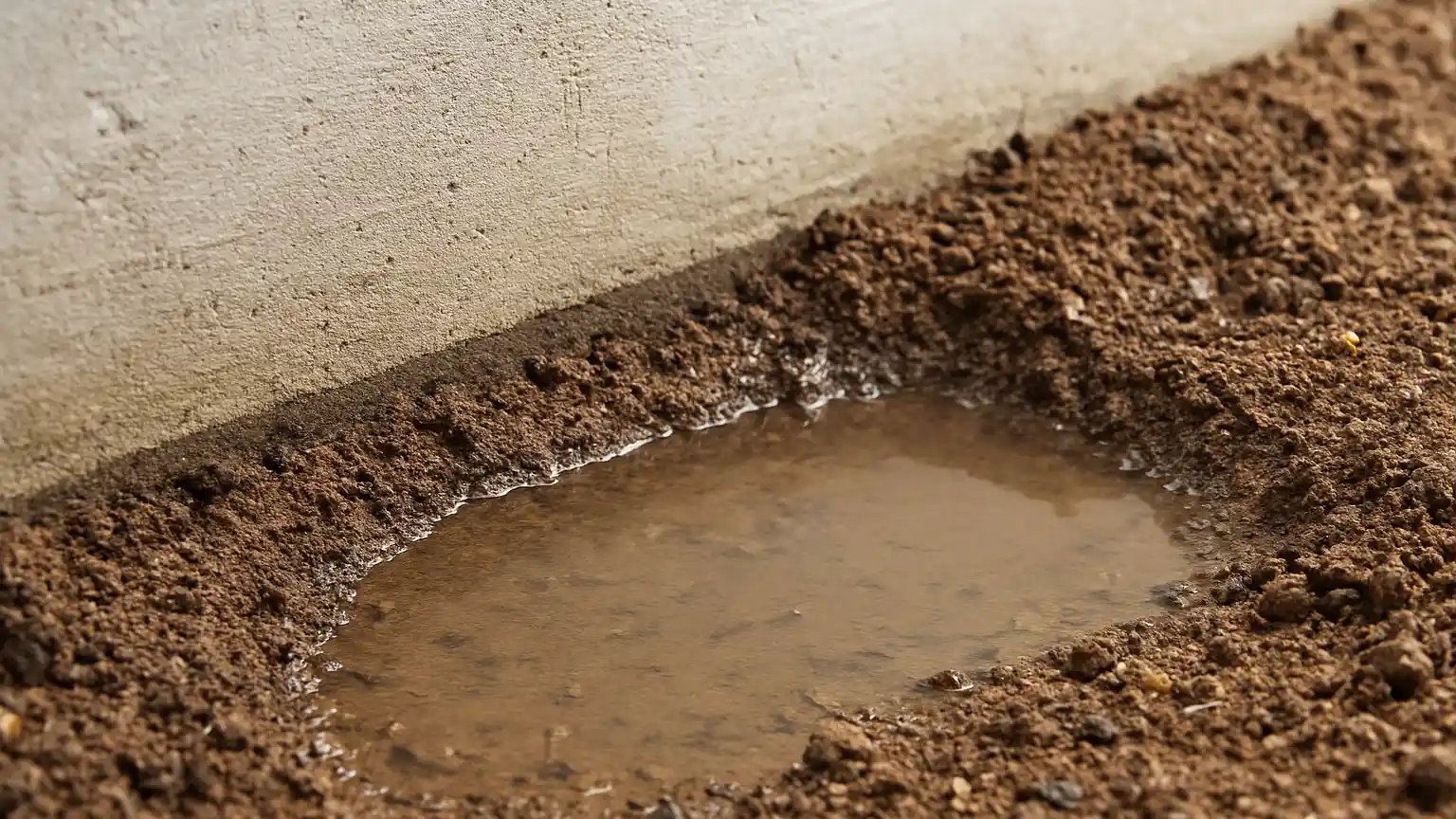
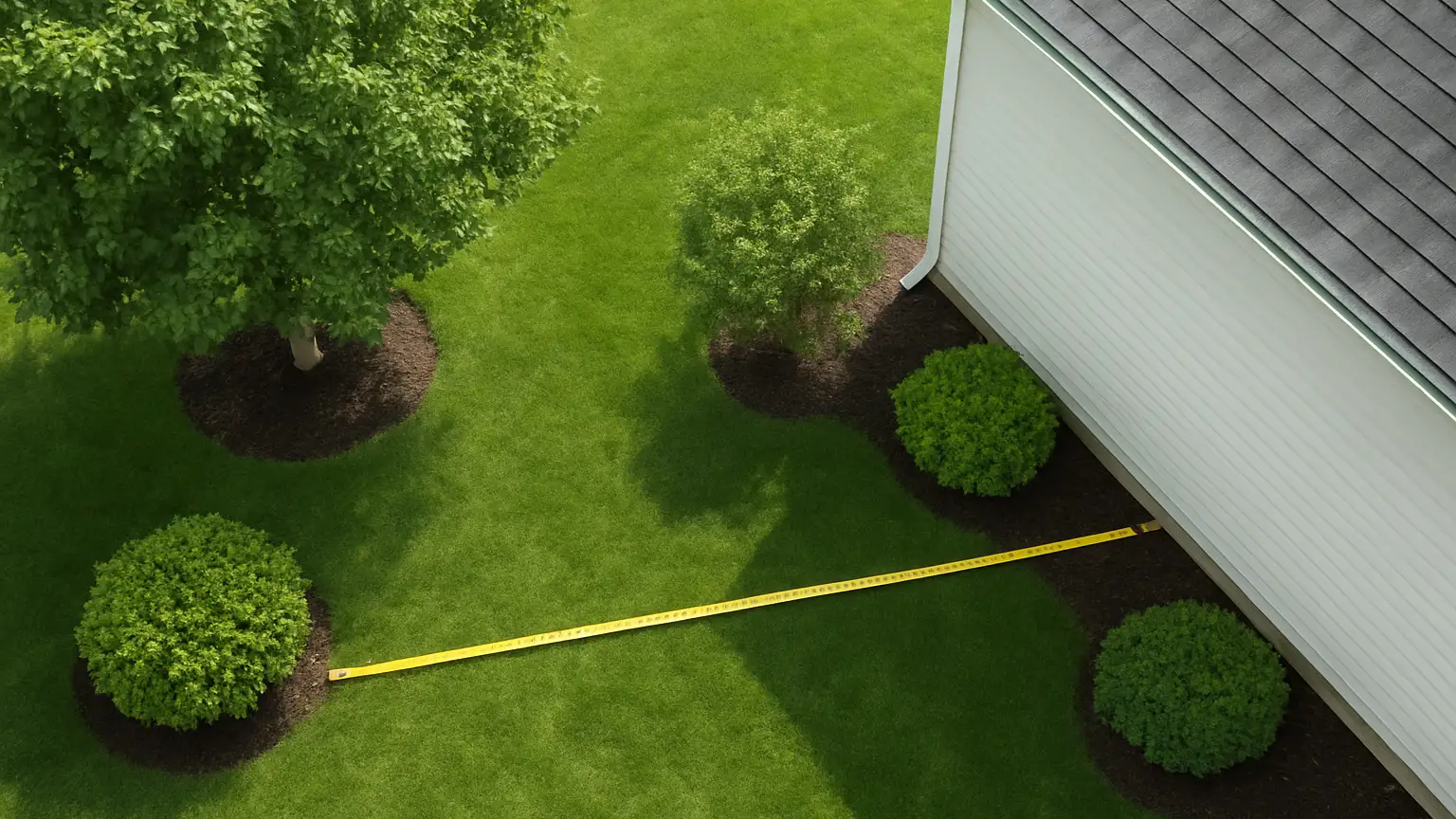
Every tree ring, garden bed and pile of mulch changes how water moves across your lot. The real danger is slow. Soil next to the foundation settles a little each year. A yard that drained well on move in day tilts back toward the house one inch at a time, and nobody notices until the basement smells damp.
The water stretch of the series shows how to spot that reverse slope, how far downspout water needs to travel before it is safe, and which simple drainage fixes keep a basement dry. It also shows how the new plantings fit into a grading plan instead of fighting it.
Pro tip: After a heavy rain, walk around the house and look for puddles within a few feet of the wall. Standing water there is often the first sign that the soil has started sloping the wrong way.
Quick answers
Can landscaping really lower my cooling bills?
Yes, if trees shade the walls and windows that take the hardest afternoon sun, usually on the west and south sides. A tree in the wrong spot can look great and save almost nothing.
How much should the ground slope away from my foundation?
A common target is about 6 inches of drop over the first 10 feet from the wall. If the soil is flat or tilts toward the house, water will collect against the foundation.
How far should downspouts carry water away from the house?
Many pros suggest at least 4 to 6 feet, and farther on clay soil or sloped lots. The goal is to release water where it keeps flowing away instead of soaking back toward the wall.
How close can I plant a tree to my house?
It depends on the tree's mature canopy and root spread, so larger trees need much more room than small ornamentals. Plan from the full grown size, not the size it is today.
Measuring the Safe Zone Around Your House
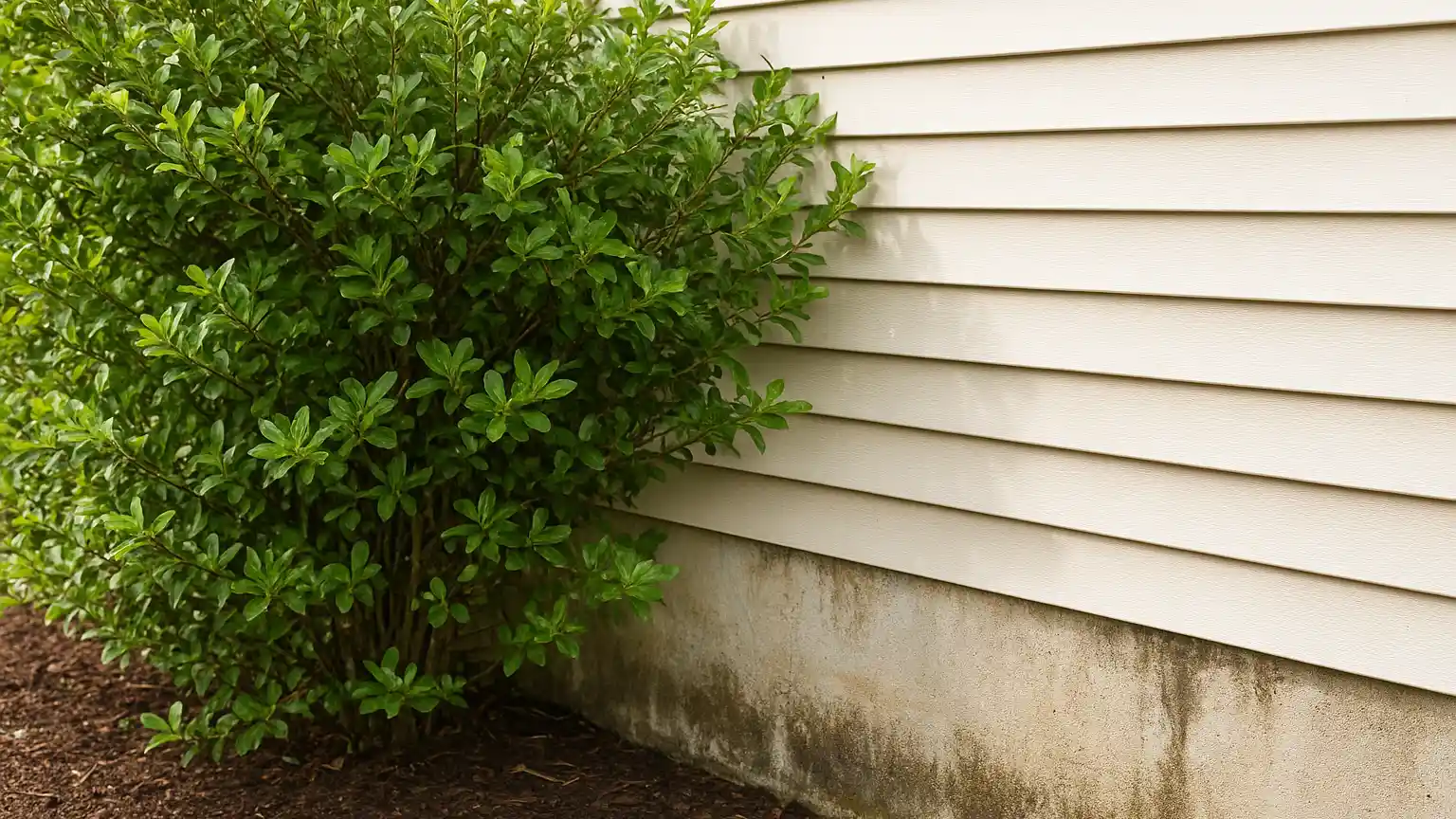
Once the slope is fixed, a new risk shows up. Plants that grow too close can undo the work you just paid for. A thirsty tree can dry out the soil under one corner of a slab. A shrub can press against siding and trap moisture there.
The spacing stretch turns that worry into numbers you can check with a tape measure. It covers:
- Shrub spacing based on mature width, not nursery pot size
- Tree distance from foundations and roofs as canopies spread
- Root risk near sewer lines, water lines and other buried pipes
It finishes by pulling shade, water and spacing into one yard plan you can follow.
Pro tip: Before you plant, stand where the tree will go at about 4 p.m. on a summer day and look back at the house. If its future shadow would not reach a west or south wall, choose a different spot.
Walking the Perimeter One Layer at a Time
If you are starting fresh, begin with the first part and read in order. Each topic leans on the one before it. Shade choices make more sense once you see how they affect drainage, and spacing rules click once the slope is right.
If you already have a specific worry, jump straight to it. A wet basement points to the water part. A tree crowding the roof points to the spacing part. Either way, you end up with a yard that helps your house instead of working against it.