The first pool bid you get will look clean. You get one number and a nice drawing. Some builders even offer a free spa upgrade if you sign this month. Then the digging starts, and a second bill begins to grow in the background.
Most of the time, that second bill is not a scam. It covers everything that happens around the pool, not in it. Dirt has to go somewhere. Rain has to go somewhere. Power has to get from your panel to the pump. Your yard also has to look like a yard again after a crew drives a skid steer across it for six weeks.
The easy way to see the true price is to follow four things through the build: the dirt, the water, the wire, and the yard. At some point, each one can slip out of the bid. Each one can cost thousands, and if the pool is going in at a rental, those thousands change the rental pool math as much as the headline price does.
Why the Lowest Pool Bid Often Costs the Most
Builders compete on the headline price. Say one builder includes rock removal, a panel upgrade, and drainage, and another leaves them out. The second bid looks cheaper, so homeowners pick it. Then the change orders show up, often at a point where you cannot walk away from a half-dug hole. Starting with established Glendale pool companies helps, but even good builders draw the scope line in different places.
Many of these extras also need approval from someone other than you. Deck size, fence height, and where the equipment sits can all fall under city code or community rules, so understanding Arizona HOA rules before you sign can stop a costly redesign halfway through the dig.
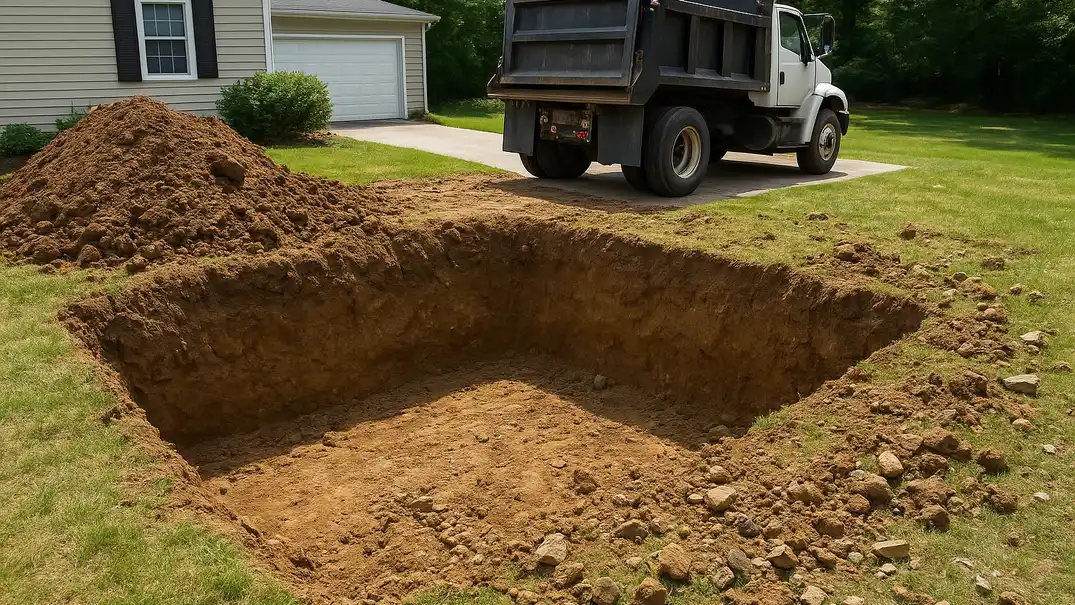
Follow the Dirt: Site Prep Costs Below the Surface
A typical in-ground pool pulls 50 to 100 cubic yards of soil out of your yard. That is several dump truck loads. Some bids include hauling it away. Many do not, or they only cover part of it.
Here are the site prep items that most often show up late:
- Dirt haul-off: often $1,000 to $5,000, depending on volume and distance to a dump site.
- Access work: removing and rebuilding a fence or block wall so equipment can get in, often $500 to $3,000.
- Grading and leveling: sloped lots may need retaining walls or soil fill before the shell goes in.
- Utility locates and reroutes: moving a sprinkler main, a gas line, or a buried cable that sits in the dig zone.
- Soil testing: some cities or engineers require it before they approve the steel plan.
Rock, Caliche, and the Excavation Clause
Look for one sentence in your contract that says something like "price assumes normal digging conditions." That line moves the risk of hard ground onto you. In much of Arizona, hard ground means caliche, a cement-like layer that can stop a normal excavator cold. Breaking it up can mean jackhammers, rock saws, and extra days of labor.
"The ground is the one thing nobody can see before the first scoop, so we talk about it before anyone signs," says Dana Ortiz, site planning lead at Saturn Pools. "If a bid doesn't say how rock is priced, the homeowner should ask for a per-hour or per-yard rate in writing."
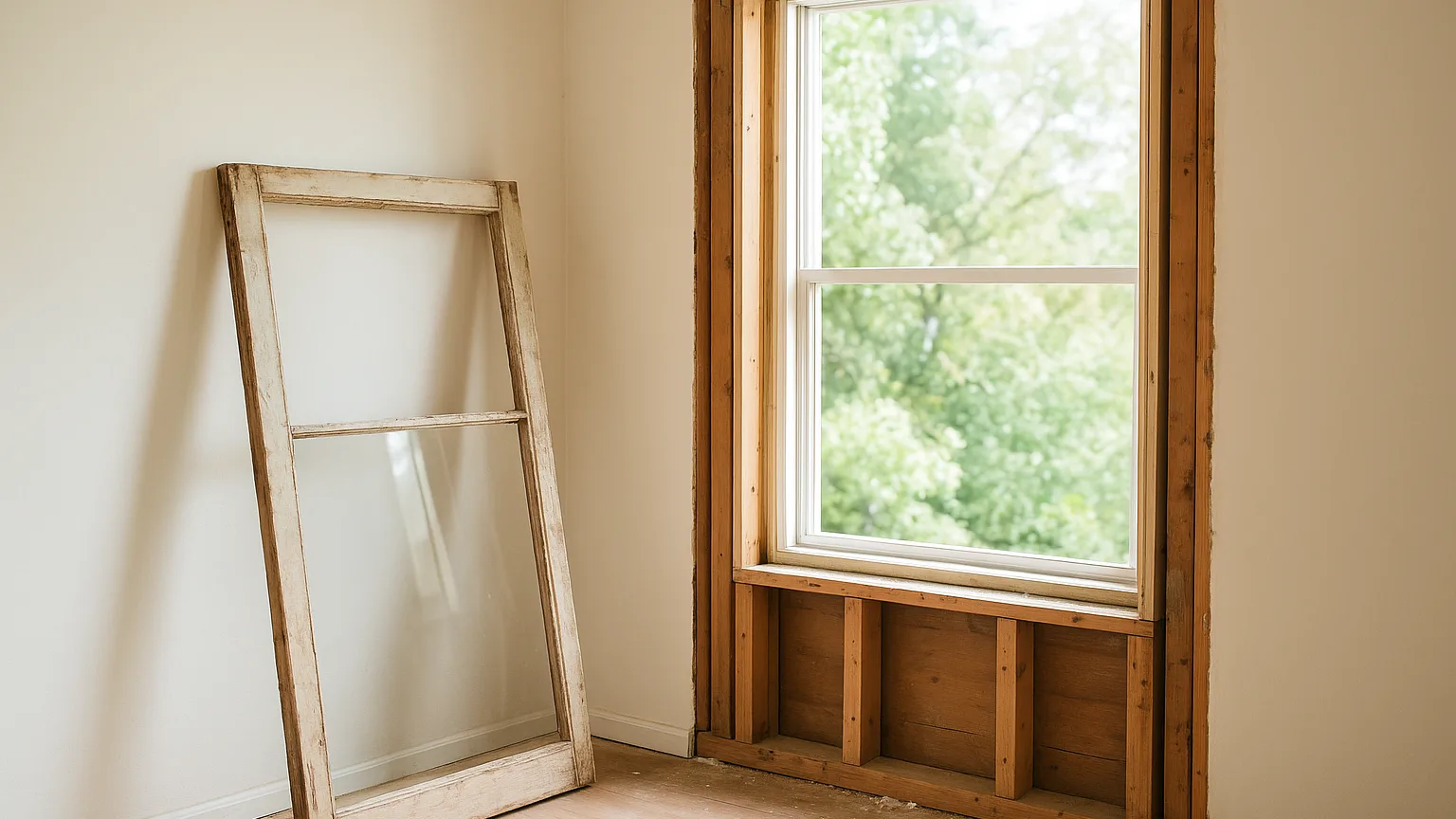
That rate matters more than the total. Like any cheap repair window around the house, the time to deal with it is early: a clear rate lets you plan for a bad day under the dirt instead of finding out about it on an invoice.
Make every bid speak the same language. Before you meet builders, write your own one-page scope: pool size, deck size, equipment, fence, and yard repair. Hand the same page to each one.
When you collect quotes from a few trusted Glendale pool builders, this page forces them to price the same job. Gaps jump out right away, because one bid will list a line the others quietly skipped.
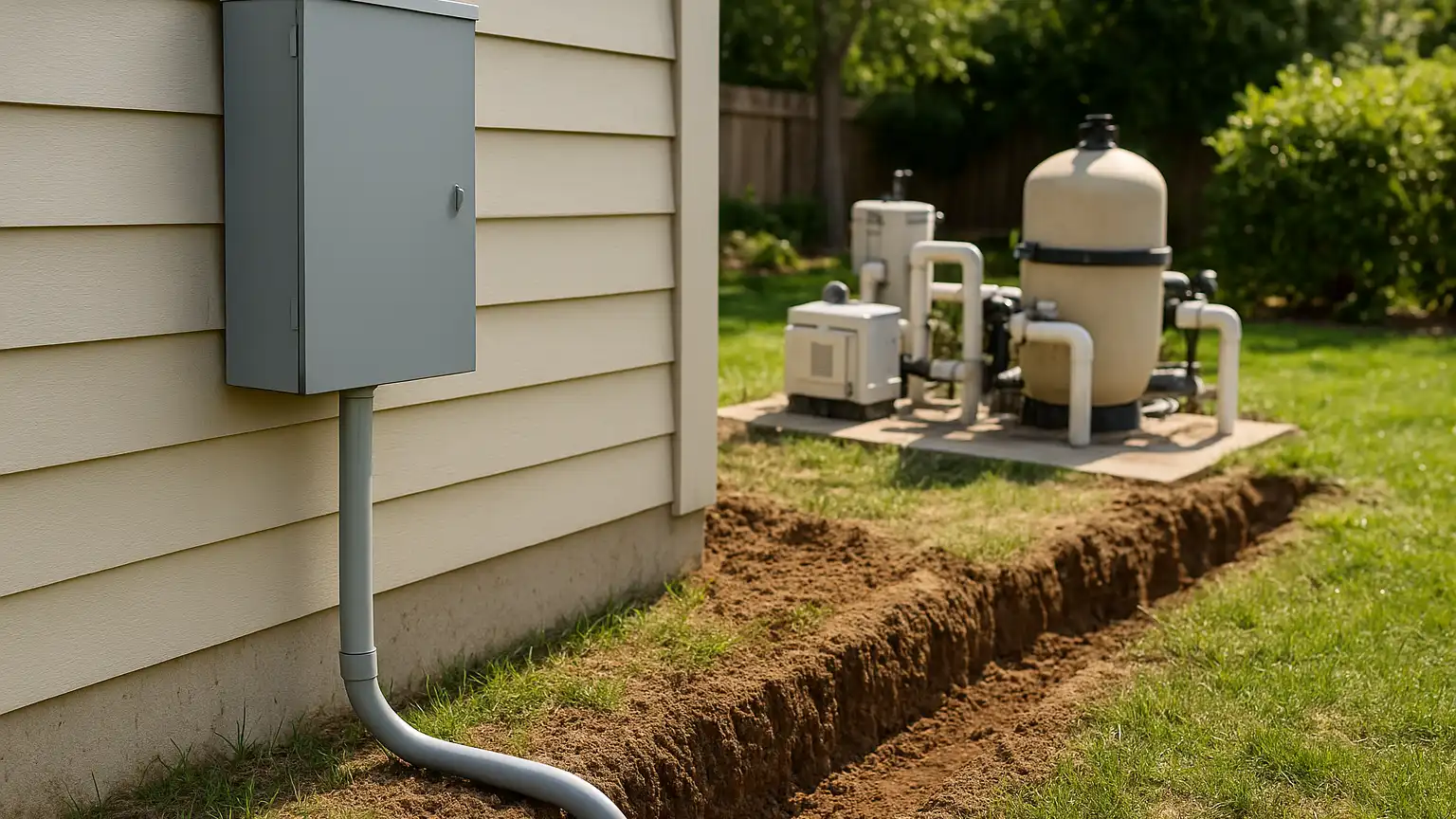
Follow the Water and the Wire
Once the shell is in, two systems decide whether your pool works well for the next twenty years. Neither one is very exciting to look at, which is why both get trimmed from early bids.
Drainage Around the Deck
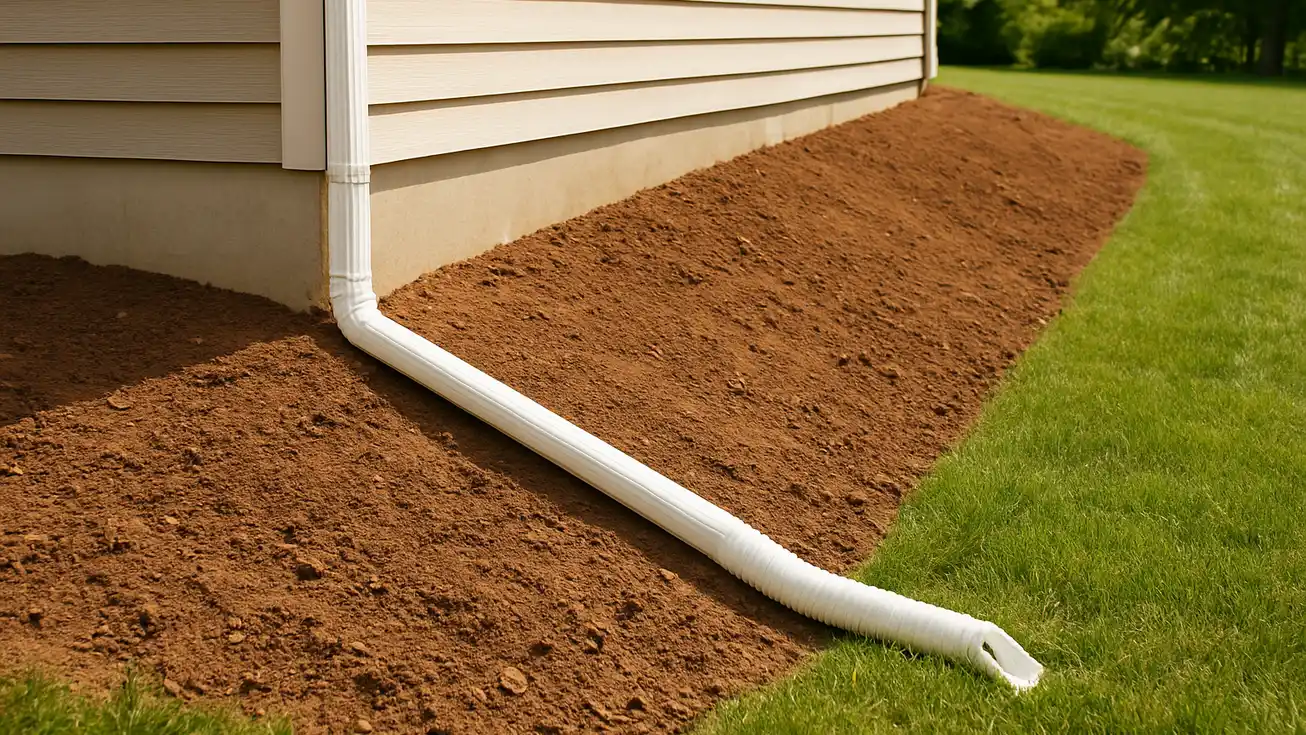
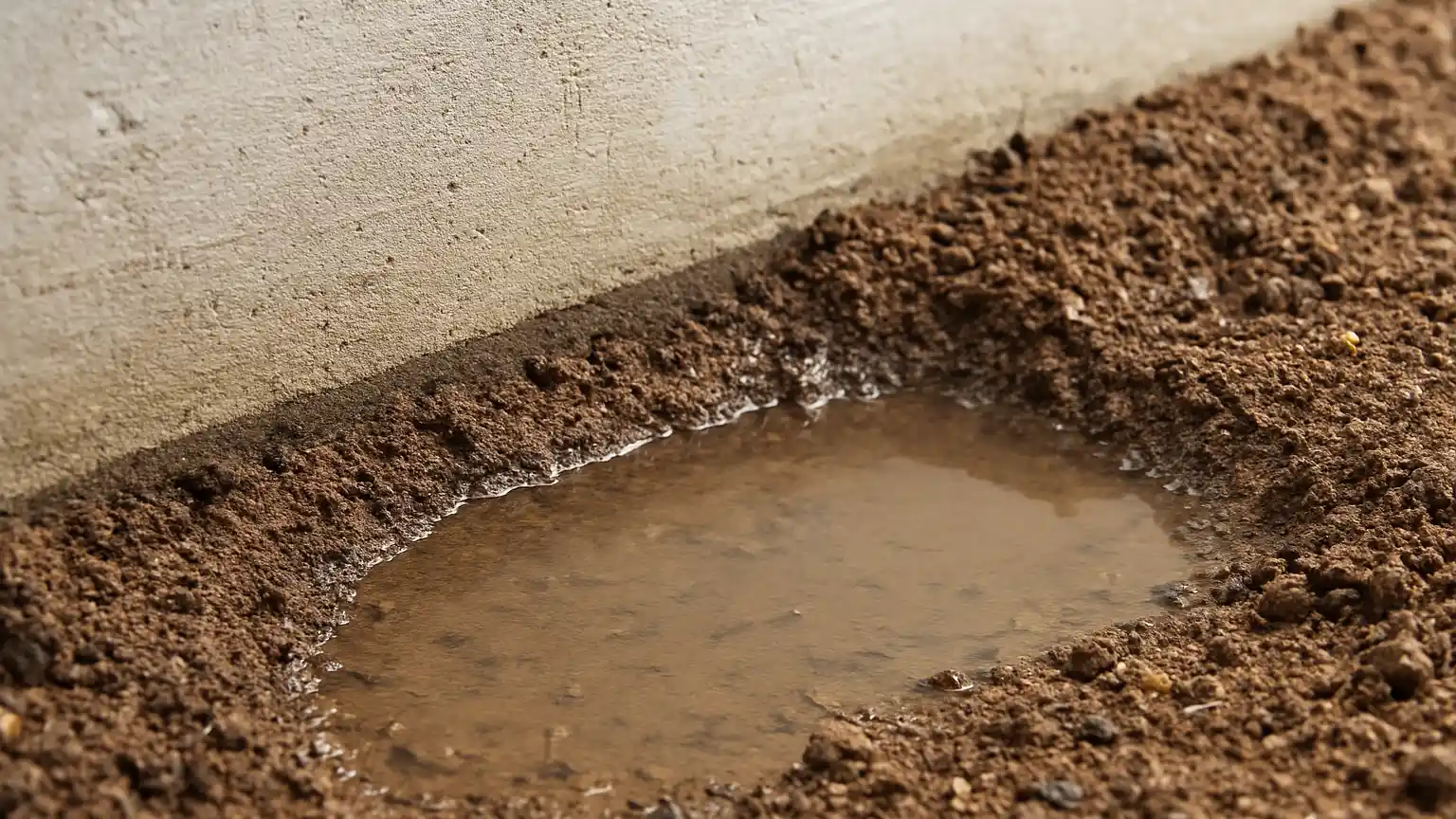
A pool deck is a big hard surface. When it rains, that water runs somewhere fast. If the deck slopes toward your house or the ground settles after backfill, you can end up with water pooling against your foundation. This is the same hidden slope mistake that sends rain into homes with no pool at all, only larger.
Good drainage might include deck drains, a French drain, or a regraded yard. Plan on $1,000 to $5,000 if it is not in the bid. Ask your builder to mark on the plan exactly where deck water goes. If they cannot answer, that is your answer.
Electrical, Bonding, and Gas
Pumps, heaters, lights, and automation all need power. Older homes often have a panel that cannot handle the new load. A panel upgrade can run $1,500 to $4,000. A trench from the panel to the equipment pad adds more, and the cost grows with distance.
Every pool also needs bonding. That is a copper grid that ties metal parts together so stray current cannot shock a swimmer. It is required by code, but some bids only list it in the fine print. If you want a gas heater or fire feature, a new gas line is often a separate trade and a separate bill.
Tie your last payment to the yard, not the water. Many contracts ask for final payment once the pool is filled. Ask to hold back a small amount until cleanup, fence work, and any agreed yard repair are done.
Take dated photos of your yard, walls, and sprinklers before the crew arrives. If something breaks during the build, those photos settle the question fast and keep repair costs off your side of the ledger.
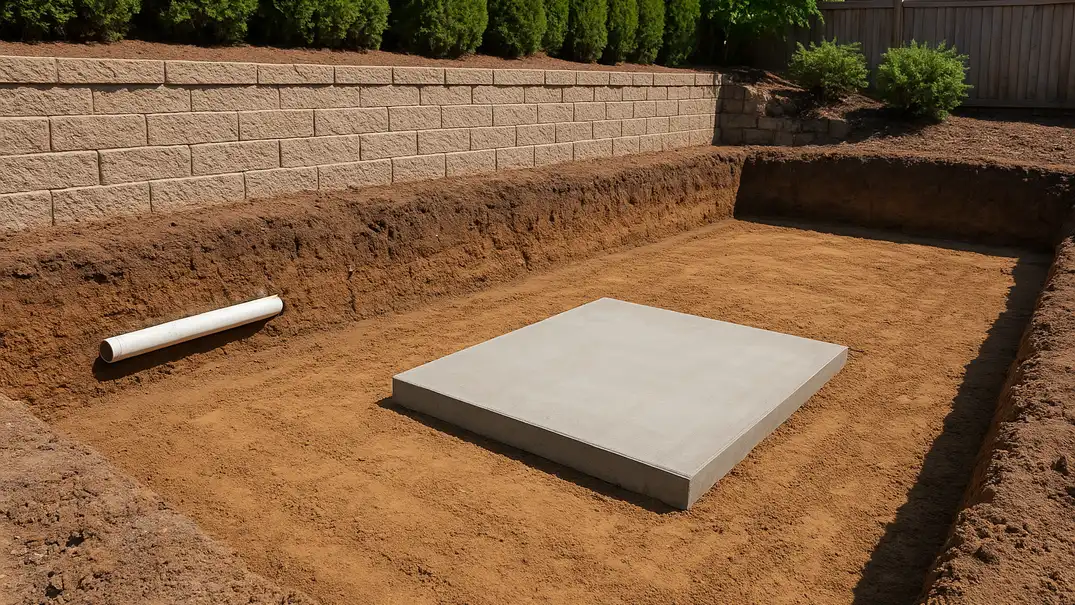
Follow the Yard: The Finish Line That Keeps Moving
This is where budgets break the most. Many pool bids end at the coping, the stone edge around the water. Everything past that edge may be on you.
The deck itself can cost $15 to $40 per square foot, depending on material. Most cities require a safety barrier, such as a fence, self-closing gate, or door alarms, and that can add $2,000 to $8,000. Then there is the damage from the build. Heavy equipment cracks sprinkler lines, crushes plants, and packs the soil hard.
Rebuilding the yard is a chance to plan smarter. Desert-friendly plants and drip lines placed away from the deck cut water use and keep soil from washing into the pool, which fits the goals of sustainable landscaping in Phoenix. Budget at least $3,000 to $15,000 for landscape repair, even if you keep it simple.
Questions to Ask Before You Sign
You do not need to be an expert to read a bid well. You just need to ask the right questions and get the answers in writing.
- Is dirt haul-off included, and for how many truckloads?
- What is your written rate if you hit rock or caliche?
- Who pulls permits, and are permit fees in this price?
- Does my electrical panel need an upgrade, and who checks?
- Where does deck water drain, and is that on the plan?
- Is the safety fence or gate included?
- Where does your scope end: at the coping, the deck, or the yard?
- Who repairs sprinklers, walls, and plants damaged during the build?
Ask every builder the same questions. When the answers sit side by side, the "cheap" bid often stops looking cheap.
Make every bid speak the same language. Before you meet builders, write your own one-page scope: pool size, deck size, equipment, fence, and yard repair. Hand the same page to each one.
When you collect quotes from a few trusted Glendale pool builders, this page forces them to price the same job. Gaps jump out right away, because one bid will list a line the others quietly skipped.
Sign for the Pool You Will Actually Pay For
A new pool has two prices. One is the shell, the plumbing, and the finish. The other is everything around it: the dirt that gets hauled away, the rock nobody saw coming, the drainage that protects your home, the power that runs the pump, and the yard that has to be rebuilt. “Around Glendale that rock is usually caliche, and a good bid says how it will be handled before anyone digs,” says Marcus Ellery, senior project estimator at Saturn Pools. Following the dirt, the water, the wire, and the yard turns a vague bid into a number you can trust.
The best protection is simple. Ask hard questions early, get rates and scope limits in writing, and compare builders using the same list. A builder who answers clearly is showing you how the whole project will go. Add a 15 to 20 percent cushion for surprises, and your backyard can become a place to relax instead of a running bill.