You planted a tree last spring because someone said shade saves money. It looks great out there. But your July power bill looks the same as last year, and it may stay that way for a long time. The problem is usually not the tree itself. It is where the tree stands compared to the sun's path and the parts of your house that soak up the most heat, a placement choice that really belongs to planning your yard as a shield.
Much of the thinking here was shaped by the hands-on outdoor work of Desert Vine Landscaping, a team that deals with brutal sun and long hot afternoons every season. Their view of which plantings truly earn their keep helped us treat the yard as a working part of the home, not just decoration.
Think of your yard as the outer layer of your house. Trees, shrubs, slopes and soil all affect how hot your walls get, where rain ends up, and how long your siding and foundation last. Shade is the first piece of that puzzle, and it is the one most people get wrong.
The Sun Does Not Hit Your House the Way You Think
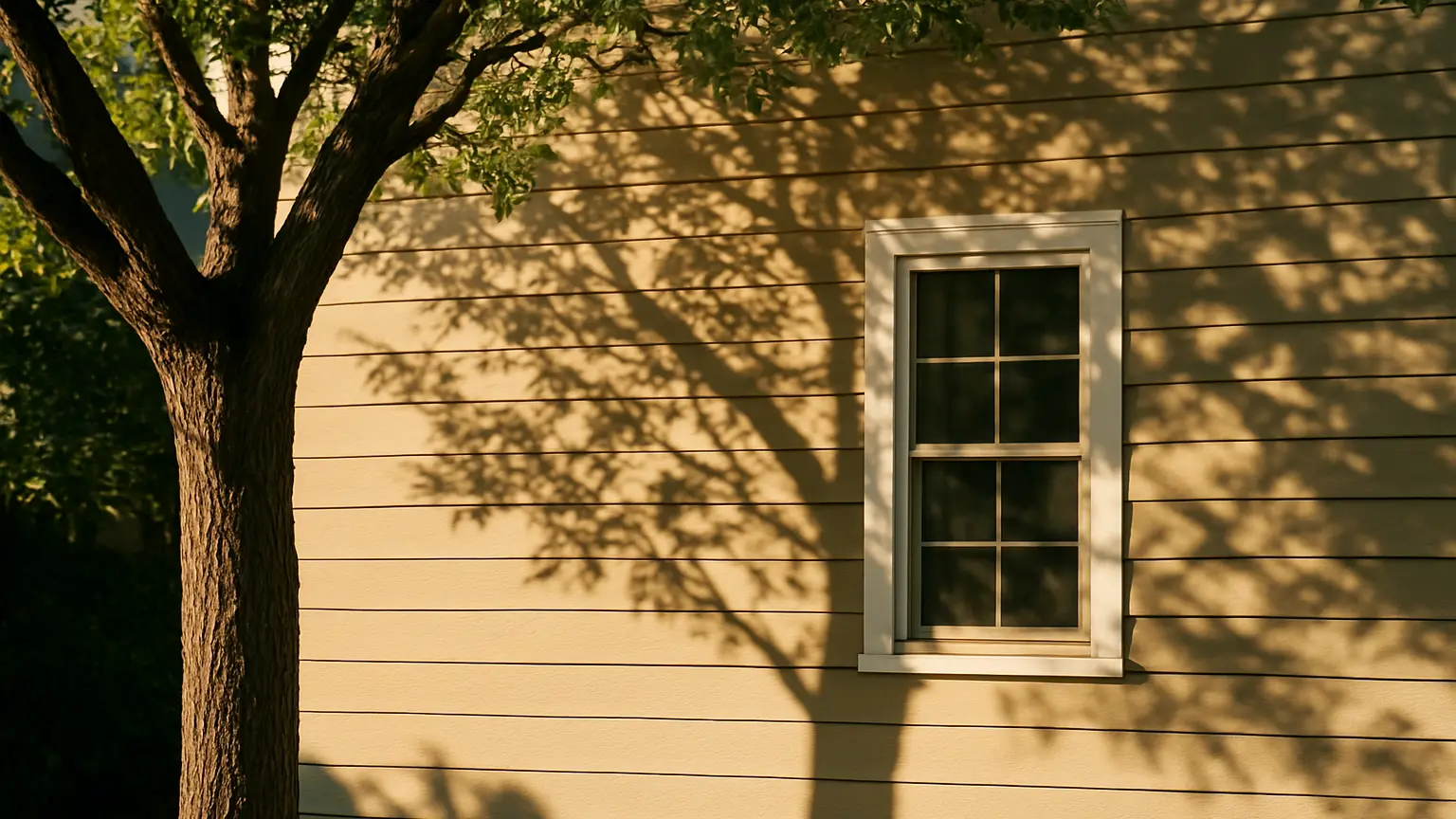
At noon in summer, the sun sits high in the sky. It mostly lands on your roof, and a normal roof overhang already blocks much of it from south facing windows. The real heat shows up later. From about 2 p.m. until sunset, the sun drops low in the west and shines almost straight into west walls and glass. Mornings do the same thing on the east side, just with cooler air behind them.
So a tree on the south side often does very little in July. A tree on the west side, placed well, can block the hottest hours of the whole day.
Five Reasons a Shade Tree Fails to Cut the Bill
Most shade trees that disappoint have one of these problems. Many have two or three at once.
- It is on the wrong side. South and north plantings look nice but rarely block the strong, low afternoon sun that drives your air conditioner.
- Its shadow misses the target. Low sun throws long shadows at an angle. A tree that looks close to the house at noon may cast its 4 p.m. shadow onto the lawn instead of the living room window.
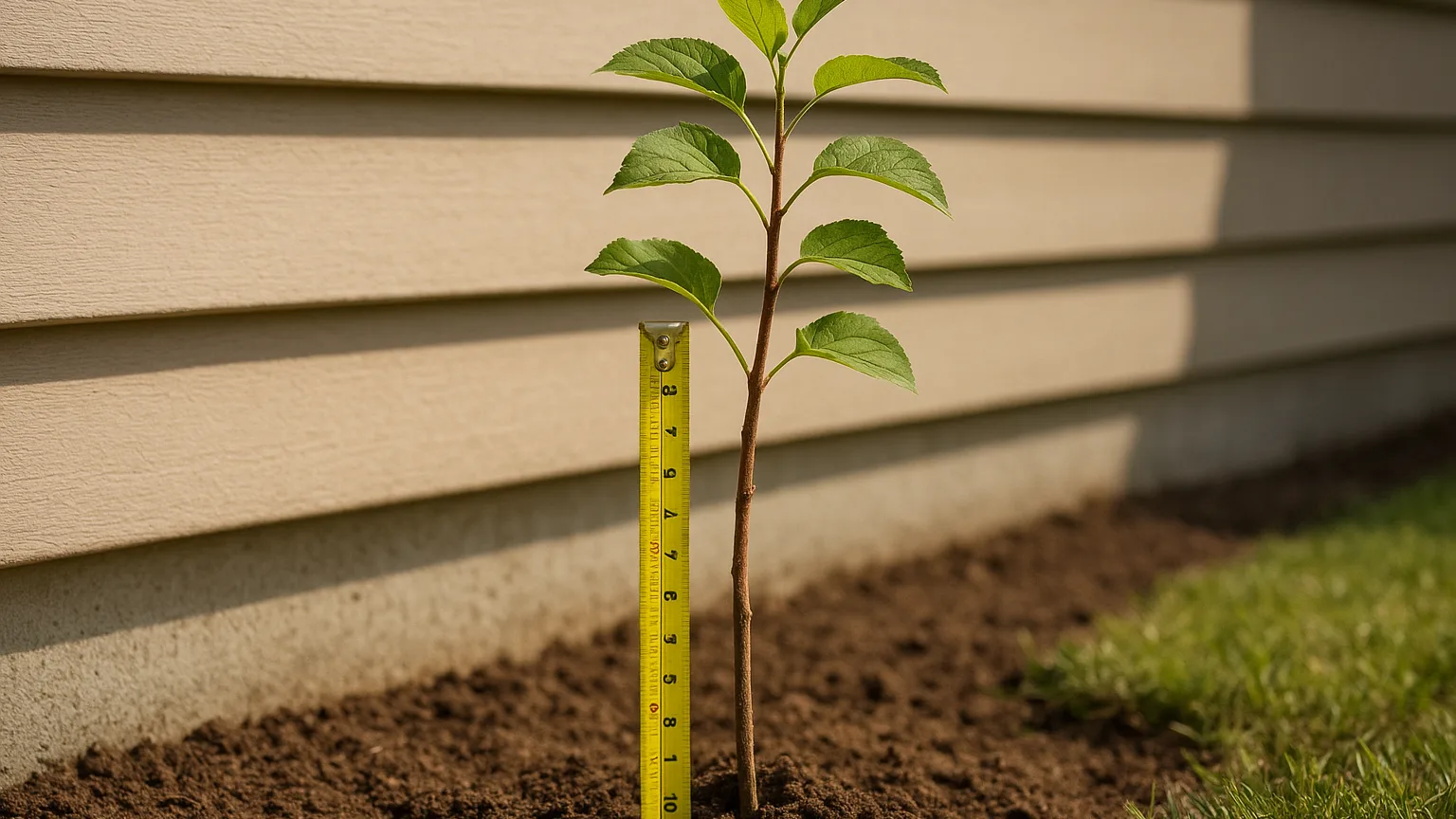
- It is still a baby. A six foot sapling shades almost nothing. Depending on the species, it can take five to ten years before the canopy covers a window in a meaningful way.
- It is the wrong shape. Tall, skinny trees cast thin shadows. A wide, rounded crown covers far more wall.
- It shades the wrong thing. Shading a patch of grass feels pleasant but does nothing for the glass, walls and roof that actually let heat inside.
The good news is that every one of these can be fixed with planning. Even an existing tree can sometimes be helped along with smart pruning, or paired with a second planting that fills the gap it leaves.
Run a Simple Shadow Test First
Before you dig, stand a tall pole or a ladder where you plan to plant. Check it around 4 p.m. on a sunny summer day and see where its shadow falls. If the shadow does not touch your target window, shift the spot until it does.
In desert climates, this test matters even more. The best Arizona crews built for heat know that a tree placed a few feet off its mark can waste years of growth.
Placing a Tree Where It Actually Earns Its Keep
Good placement is less about guessing and more about watching. Here is a simple way to do it.
Step 1: Find Your Hottest Walls
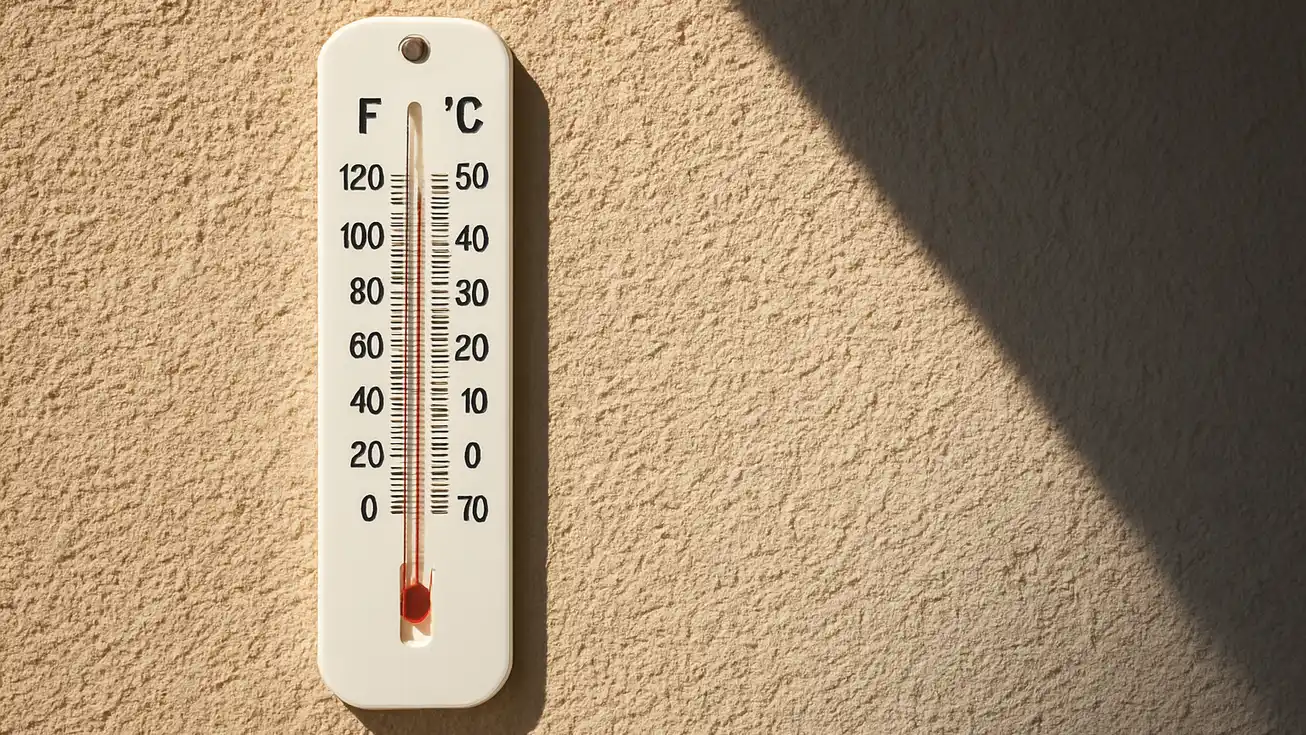
On a clear summer afternoon, walk around the house and touch the siding. The west wall will often feel hottest, followed by the east. Note which rooms get warm first. Those rooms are your targets.
Step 2: Aim for the Glass, Not the Whole Wall
Windows let in far more heat than solid walls. Picture where the late afternoon sun crosses the yard on its way to your biggest west and east windows. That line is where a tree belongs, slightly south of due west so it catches the sun as it swings around.
Step 3: Respect the Distance
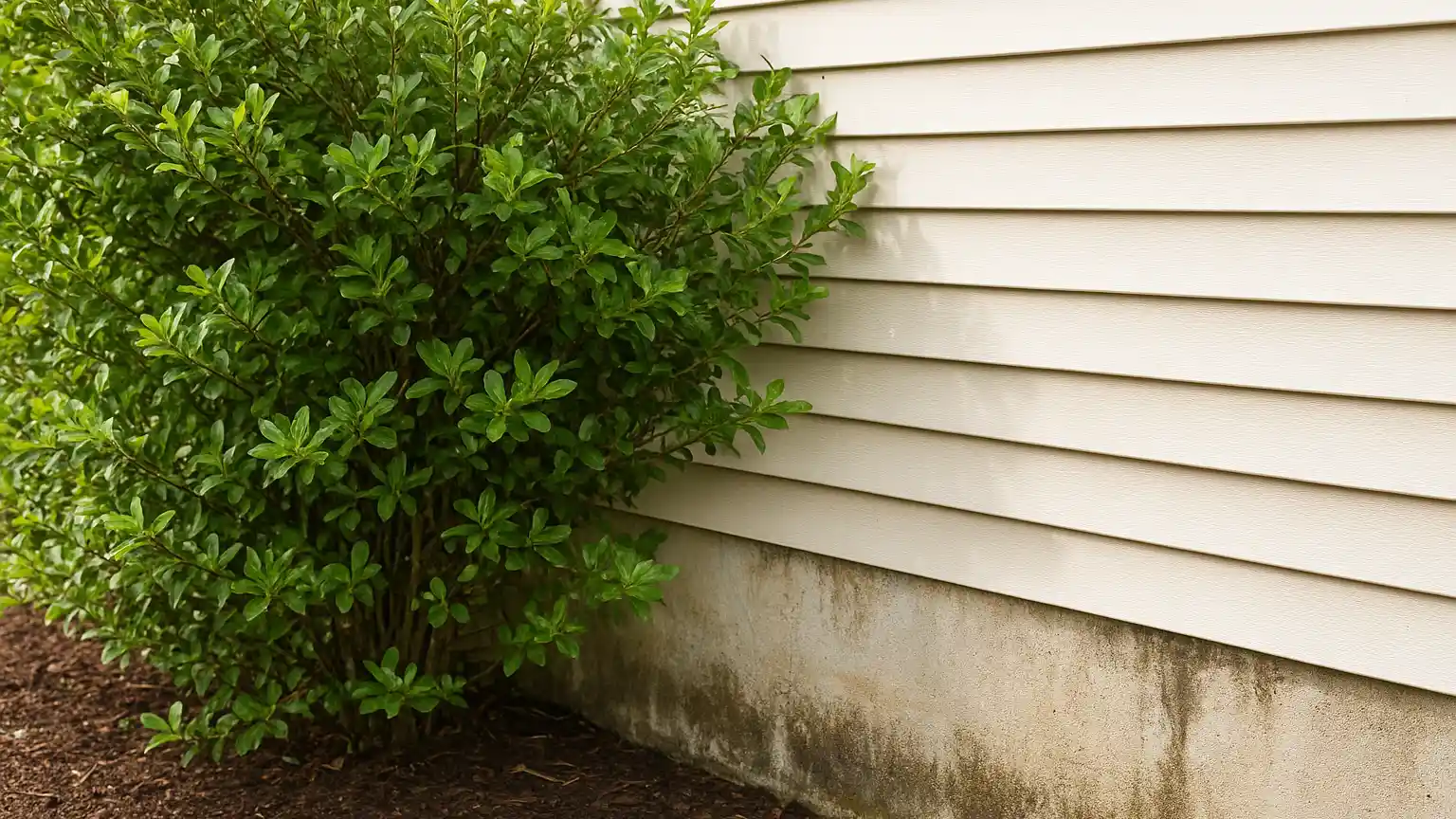
Planting too close causes roof, siding and root trouble later. As a loose starting point, small trees often go about 10 to 15 feet out, and large shade trees 20 feet or more. The full picture of safe planting distances depends on root spread, branch reach and what is buried under your yard.
Step 4: Plan for the Grown Up Tree
Read the tag for mature height and width, then imagine that full size crown in place. If it would hang over the roof or crowd the gutters, move the hole out a few feet now while it is easy.
Cool the Ground Around the House Too
A driveway or patio on the west side soaks up heat all afternoon and throws it back at your walls well into the evening. A tree or shade structure placed to cover that pavement, a job that vetted local yard crews can size and place for you, can cool the whole side of the house, not just one window.
Keep any new planting a few feet clear of your air conditioner so it can breathe, and leave a clear path for service visits.
Deciduous or Evergreen: Which Tree Goes Where
The type of tree matters as much as the spot. Deciduous trees drop their leaves in fall. That is a big plus on the west and southwest, because they shade you in summer and then let the warm winter sun reach your windows. Evergreens keep their needles all year, which makes them better on the north and northwest, where they can block cold winter wind without stealing winter sunlight.
In hot, dry regions, the choice also comes down to water. Desert adapted shade trees with open, spreading crowns can cool a wall without draining your irrigation budget. The Desert Vine Landscaping approach leans toward this kind of matchup, and it is common among landscapers who know Arizona heat: the right tree for the heat, set where it does the most work for the least water.
Hiring help can make sense if your yard has hard soil, tight space or tricky utilities. Homeowners comparing vetted Phoenix landscaping crews often find the best ones ask about sun direction before they ever talk about plant prices.
Quick Answers About Shade and Cooling
Does shading the air conditioner help? A little. A cooler unit can run more easily, but it needs open airflow, so keep plants well back from the sides and top.
Should I shade my roof? Partial roof shade can help, but large limbs over the roof bring falling debris and clogged gutters. Shading walls and windows is usually the safer win.
What about vines and shrubs? A trellis with vines or tall shrubs near a west window can give shade much sooner than a young tree while you wait for it to grow.
Run a Simple Shadow Test First
Before you dig, stand a tall pole or a ladder where you plan to plant. Check it around 4 p.m. on a sunny summer day and see where its shadow falls. If the shadow does not touch your target window, shift the spot until it does.
In desert climates, this test matters even more. The best Arizona crews built for heat know that a tree placed a few feet off its mark can waste years of growth.
Plant for the 4 P.M. Sun, Not the Nursery Tag
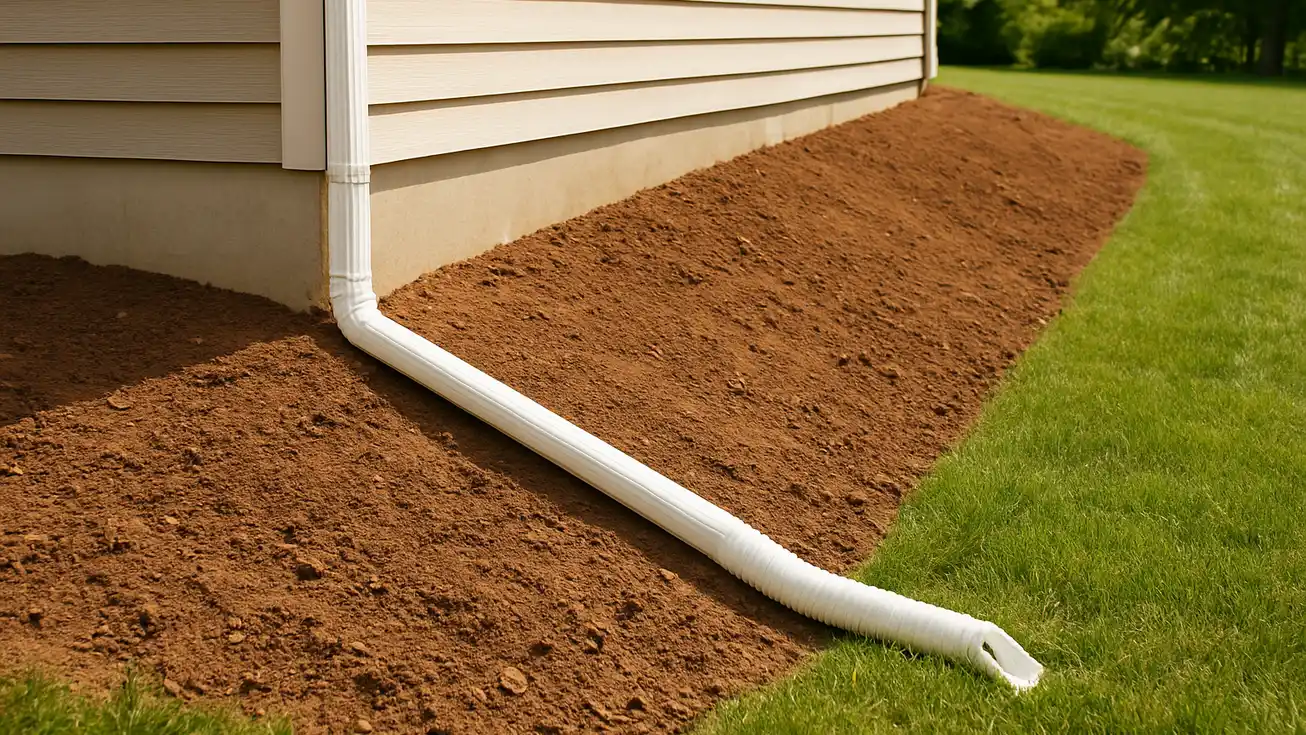
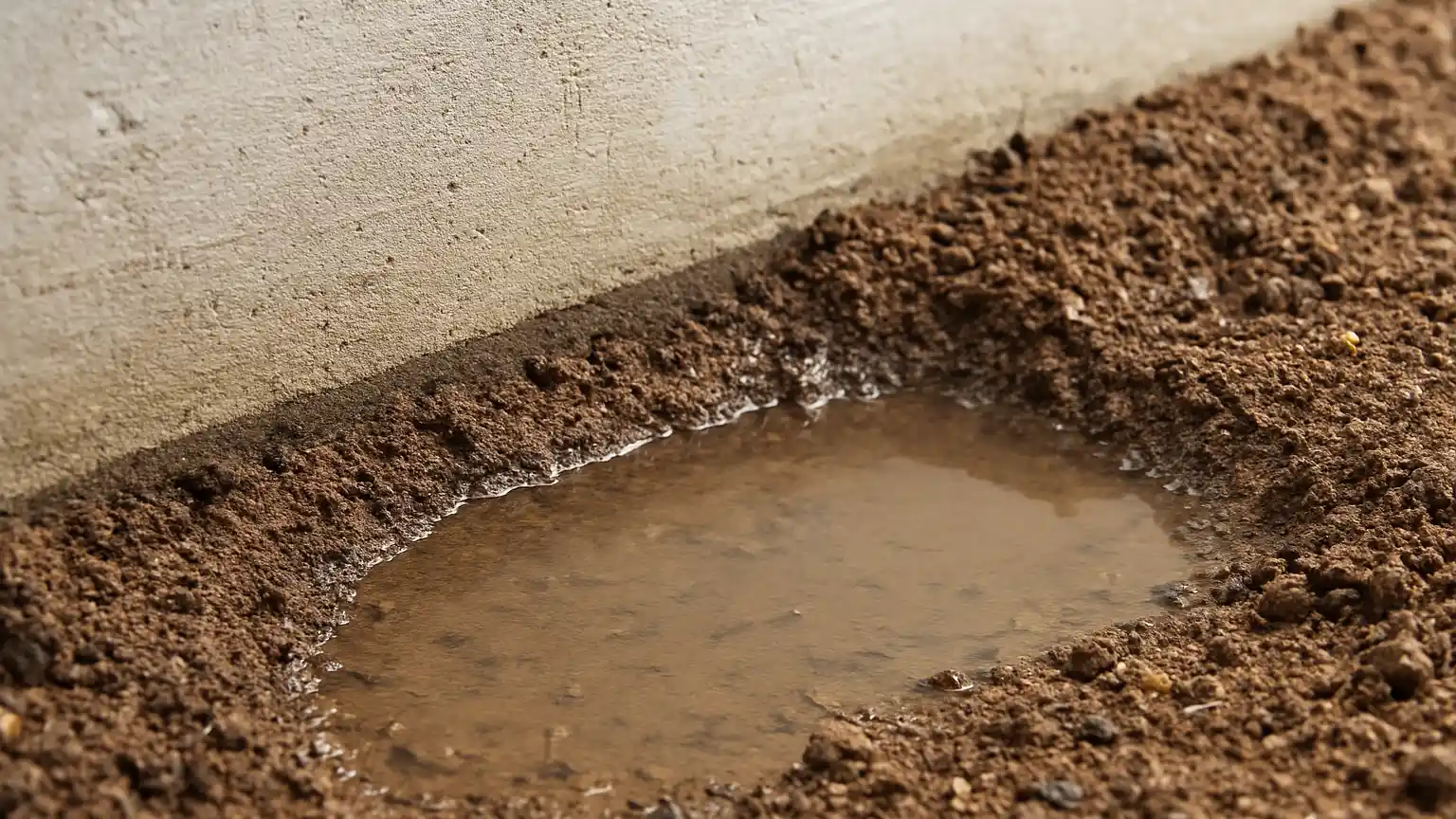
A shade tree only lowers cooling bills when its shadow lands on the hot west and east windows during the afternoon hours that matter. Pick the right side, the right shape and the right type of tree, give it room to reach its full size, and fill the waiting years with vines or shrubs. Every new planting also changes your yard in another way, because roots need water and soil around them shifts. That raises the next question of where rain flows once it hits the ground, and why grading near your foundation matters as much as any tree.
Your yard is not just a pretty frame around your home. It is a working system that can shield your walls from heat, guide water to the right places, and protect the structure for decades. Start with one well placed tree, watch where its shadow falls next July, and you will see your house and your yard begin working as one team.