Most people picture install day as a clean swap. Old window out, new window in, somebody vacuums, everybody shakes hands. That picture is not wrong. It is just missing about six hours of noise, grit, and small decisions you did not know you had to make.
There is a deeper practical look at arizona the heat test for anyone weighing the options.
I have sat through this in my own house with a toddler napping upstairs and a dog who believes every stranger is either a threat or a snack. Here is the version nobody puts in the brochure: five things that surprise people on install day, and what you can do the week before to keep each one small.
Why Staying in the House Changes the Whole Job
If you move out for a remodel, install day is someone else's problem. If you stay, you are part of the job site, and your routines bend around the work. Staying put is usually the right call for a window project: it is fast, weather dependent, and does not touch plumbing or power. But the pace is the catch. A crew can open four or five rough openings in a single morning, so the mess arrives faster than almost any other trade. Finish details matter too, and one inch that makes new windows look off is far easier to catch while the installers are still standing in your living room.
The Wall Around the Window Takes the Damage
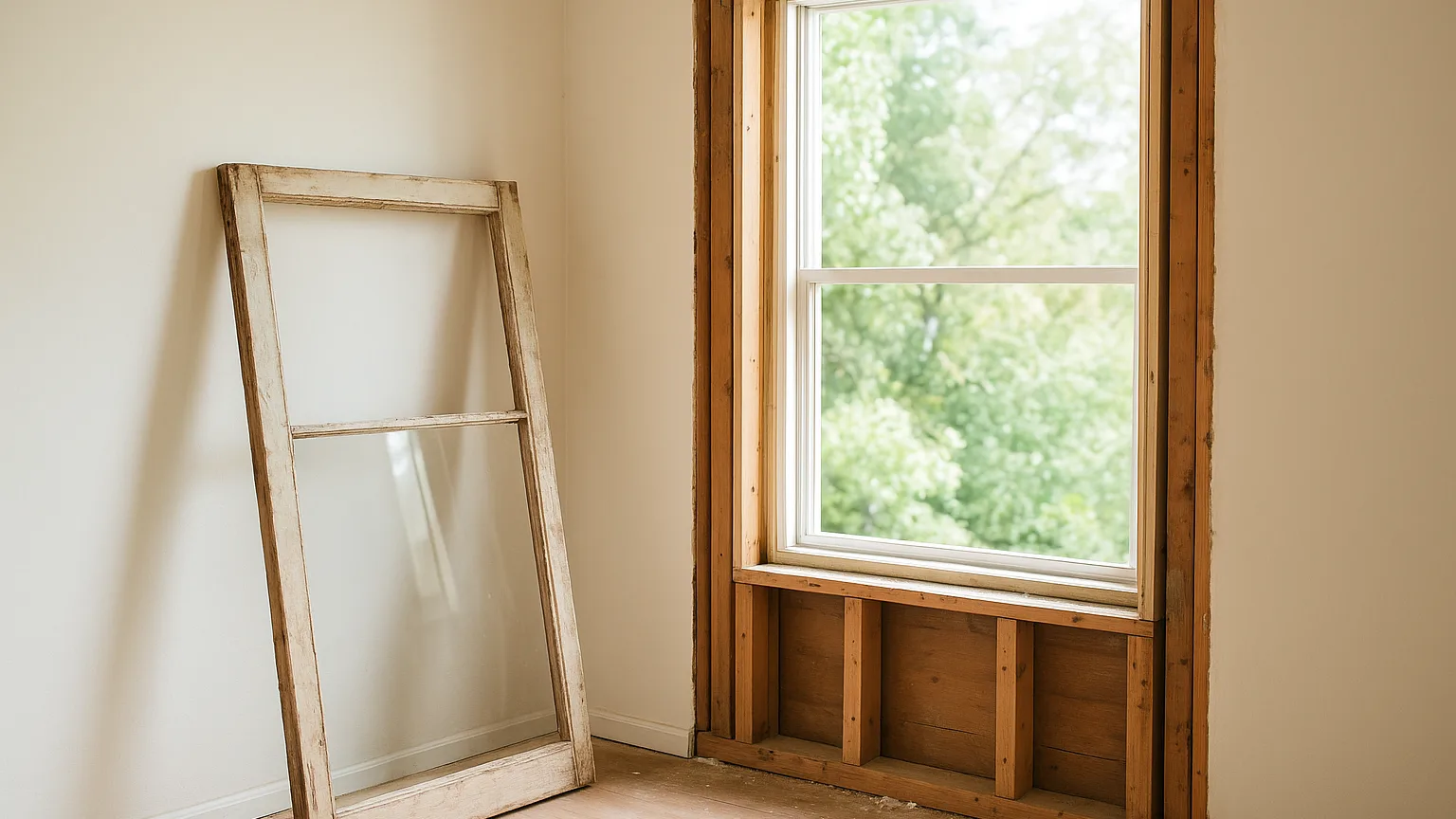
Here is the part that catches people off guard. The window itself comes out fine. It is the stuff touching the window that cracks.
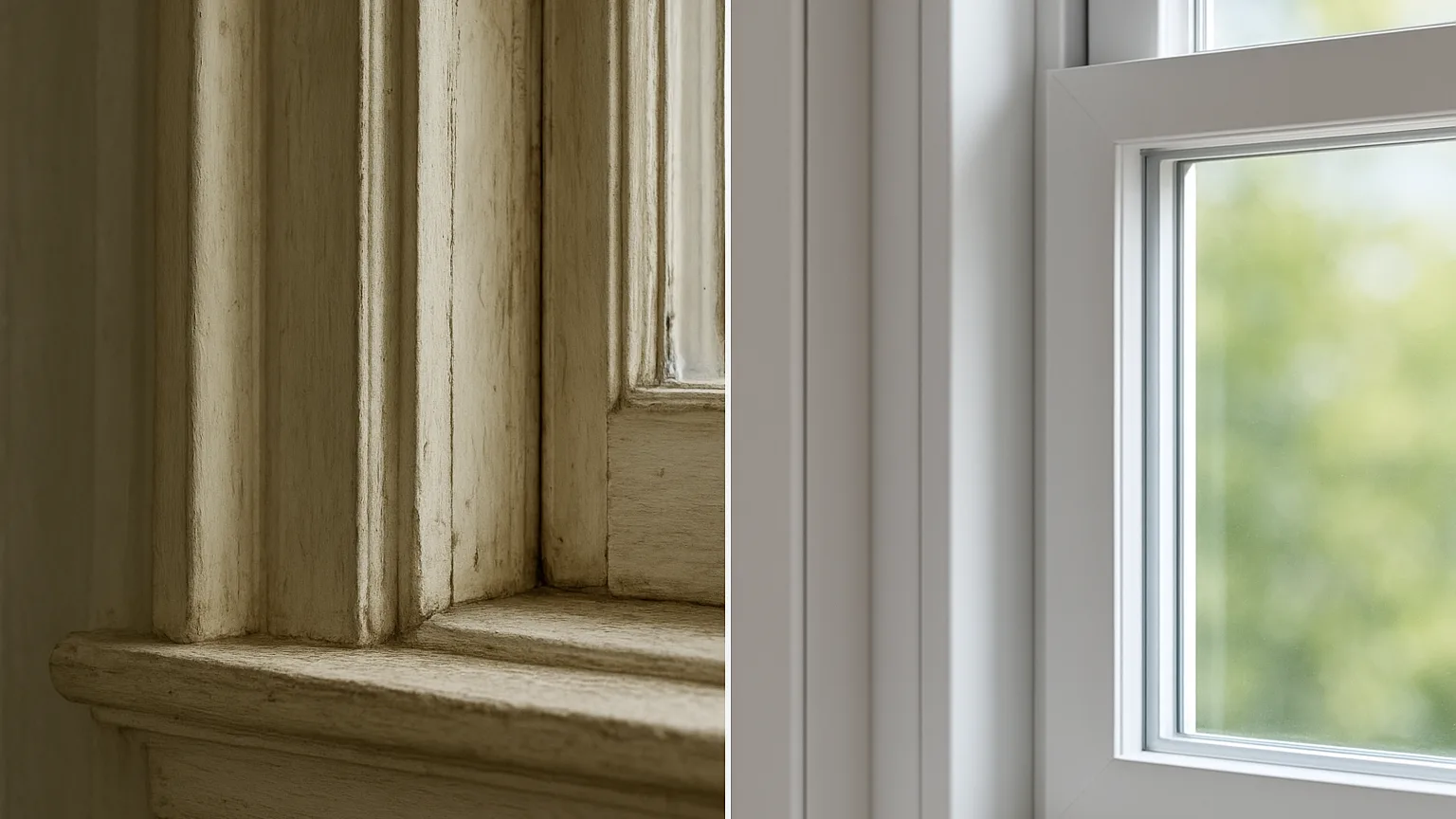
In a house built before the 1960s, you likely have plaster over wood lath, old casing nailed in tight, and three coats of paint glued across every seam. When an installer pries out a sash that has been in place for ninety years, the plaster edge next to it can let go in a six inch chunk. That is not sloppy work; that is physics meeting a very old wall. Paint makes it worse: painted shut joints tear instead of separating, and trim that looks solid can split along an old nail hole the second it moves. Losing a piece of casing is also how a job ends up with uneven reveals that look wrong, since replacement stock rarely sits at the same depth as the original.
Ask these questions before anyone starts prying:
- Is the quote for a full frame install or an insert install? Full frame touches far more interior finish.
- Who repairs plaster or drywall if it breaks, and is that cost already in the contract?
- Will my original casing be saved and reused, or replaced with new stock?
- If my trim profile is discontinued, who sources the match?
Get the answer in writing. "We'll take care of you" is not a scope of work, and the installers that hold up in arizona heat test comparisons are usually the same ones who spell out wall repair before a single pry bar comes out. If you want the original trim saved, score the paint line along the casing with a utility knife a day ahead. It takes twenty minutes and it saves whole pieces of old wood.
Pro Tip: Photograph Everything First
Walk every room with your phone the night before and shoot video of the walls, trim, sills, floors, and window treatments, narrating what you see out loud. That five minute clip settles any disagreement later about whether a crack was already there.
While you are at it, check the glass package and frame specs on your contract against the labels that actually arrive, since substitutions happen and side by side reviews like the arizona the heat test comparisons exist for a reason. Labels peel off after install. Photos do not.
The Dust Will Find Rooms You Closed Off
Window dust is not sawdust. It is a mix of old caulk, paint chips, mortar grit, insulation fibers, and whatever has been sitting inside the weight pockets since the Truman administration. It is fine, it is gritty, and it floats. I have watched that dust travel from a front bedroom to a back kitchen in under an hour because a hallway door was open and the HVAC fan was running. Plastic taped over a doorway only helps if the air pressure in the house is not working against it.
Here is what actually keeps dust contained on install day:
- Shut off the HVAC fan before work starts, not after. A running blower pulls debris straight into your return ducts.
- Cover the return vents in work rooms with filter media or plastic, taped down at the edges.
- Empty the room within eight feet of each window. Not shoved to the middle. Out the door.
- Ask for zip wall doorways with a zipper, not a taped sheet somebody has to rip open twenty times.
- Take down curtains, rods, and blinds yourself. Crews will do it, but they are not paid to be careful with your fabric.
- Run a box fan blowing out an open window in the work zone to pull airborne dust outside.
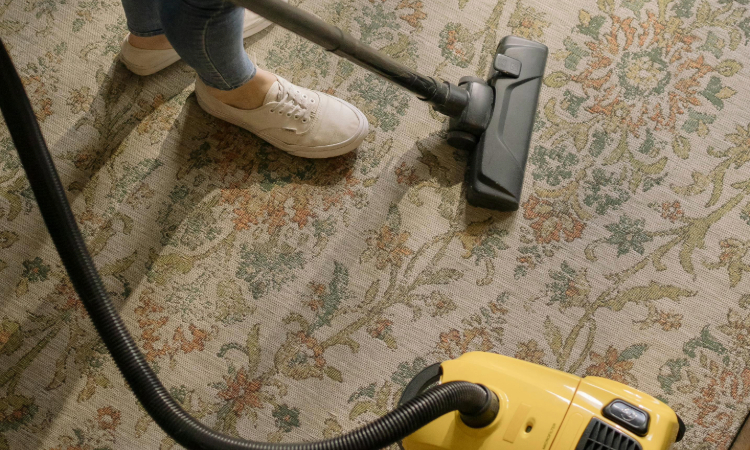
Plan on one real cleaning after the crew leaves, not just a sweep. Soft surfaces hold the fine stuff longest, and the same approach that makes healthy living in tucson possible after a dust season works here too. Change your furnace filter the next day as well. It will be gray.
Pro Tip: Pick a Safe Room
Choose one room that nobody works in and nobody walks through. Put the dog crate, the diaper bag, the laptop, the coffee maker, and the chargers in there. Hang plastic over the door and tell the crew lead it is off limits.
It sounds almost too simple to matter. It is also the single thing that makes a long install day feel manageable instead of chaotic, because you always have one spot in the house that smells normal and has a working outlet.

Pets and Kids Meet a Hole in the Wall
At some point there will be an open rough opening with nothing in it but daylight, maybe two or three at once. Front doors get propped, screens come off, tools sit on the ground outside. Cats are the real risk: a cat who has never once tried to leave will absolutely walk through a missing window at floor level. Dogs bark themselves hoarse at strangers carrying large flat objects, and that stress is exhausting for everyone.
- Board pets off site or confine them in a closed room with water, well away from the work.
- Tell the crew lead where the pets are and ask them to call out before opening doors.
- Keep kids out of the work zone entirely. Nail guns, broken glass, and loose sills are not negotiable.
- Ask that glass and old sashes get carried straight to the truck, not staged on the lawn.
Your Alarm System Will Notice
Those small white contacts on your window frames are glued or screwed to the sash and jamb that are about to be removed. When the sash goes, the sensor goes with it, and sometimes the wire snaps inside the wall. Glass break sensors can fire from the noise, and motion detectors can trip as crews move through rooms. I have seen a false alarm bring a patrol car out at ten in the morning because nobody put the system on test mode.
Call your monitoring company two days ahead and put the account on test for the install window. Ask your installer to save removed sensors in a labeled bag. Then schedule your alarm technician for the day after install, because wireless contacts almost always need remounting on the new frames. Hardwired systems may need a splice, which is a separate visit and a separate bill.
The Punch List You Have to Write Yourself
Most crews will ask if you are happy. Very few hand you a list to check. Write one before they arrive, and walk it with the lead installer while the truck is still in the driveway.
Check each window for smooth operation, locks that engage without force, screens that fit and latch, even reveal lines around the frame, continuous exterior caulk with no gaps at the corners, and insulation at the perimeter instead of bare gaps behind trim. Confirm every sticker is removed and that the glass coating matches what you paid for, because two units that look identical can perform nothing alike. Cases of windows one skyrocketing energy bills usually trace back to the wrong glass package going in unnoticed.
Also note anything that needs paint or caulk later. Small gaps are normal and fixable, but the clock on free fixes runs out faster than you expect, which is the same trap behind the repair window most homeowners sleep right through. Email your list to the company the same day so there is a timestamp.
Pro Tip: Photograph Everything First
Walk every room with your phone the night before and shoot video of the walls, trim, sills, floors, and window treatments, narrating what you see out loud. That five minute clip settles any disagreement later about whether a crack was already there.
While you are at it, check the glass package and frame specs on your contract against the labels that actually arrive, since substitutions happen and side by side reviews like the arizona the heat test comparisons exist for a reason. Labels peel off after install. Photos do not.
What a Good Install Day Actually Feels Like
A smooth install day is not a quiet one. There will be banging, a compressor, a radio, and people walking through your house in work boots. What makes it good is that nothing surprises you. The plaster that cracks was already covered in the contract. The dust stays in two rooms because the blower is off and the vents are sealed. The cat is at the kennel, the alarm is on test, and you have a list in your hand instead of a vague feeling that something looks off.
Photographing the walls, scoring the paint line, picking a safe room, calling the monitoring company, writing the punch list. That is an hour of planning total, and it is the whole job on your end. Do those five things and the only story you tell later is about the dog sulking in the back bedroom. Skip them and you spend the next three weeks chasing a crew for repairs nobody wrote down.