Windows rarely fail all at once. They fade out slowly, and they drop hints the whole way. A curtain moves when the air is still. A pane looks cloudy no matter how hard you scrub it. A sash that used to glide now fights you.
Most people walk past these hints for years. Then one day they pull back a curtain and find a dark stain on the wall, soft wood on the sill, or paint that peels like old tape. By then, the window has been talking for a long time.
So think of yourself as a house doctor. You are not looking for one big symptom. You are looking for small ones that add up. Some show up on the glass. Some show up in your hands. And one of the most telling signs never shows on the window at all. It hides inside, on the wall and trim around it.
How to Hear What a Window Is Saying
Pick a calm day and walk room by room. Use your hands, your eyes, and even your nose. Touch the frame. Look at the corners of the glass. Sniff near the sill. A musty smell near a window is a clue, just like a crack is a clue. Write down what you find in each room so you can spot patterns later, and jot down rough sizes too, since even a single inch can change how a new window looks in the opening.
Sign One: A Draft You Can Feel but Never See
A draft is the first and most common whisper. Warm air leaks out in winter. Hot air pushes in during summer. Your heating and cooling system works harder, and your bills creep up for no clear reason.
Three Simple Draft Tests
- The back of the hand test. Slowly move the back of your hand around the frame. Your skin picks up small temperature changes fast.
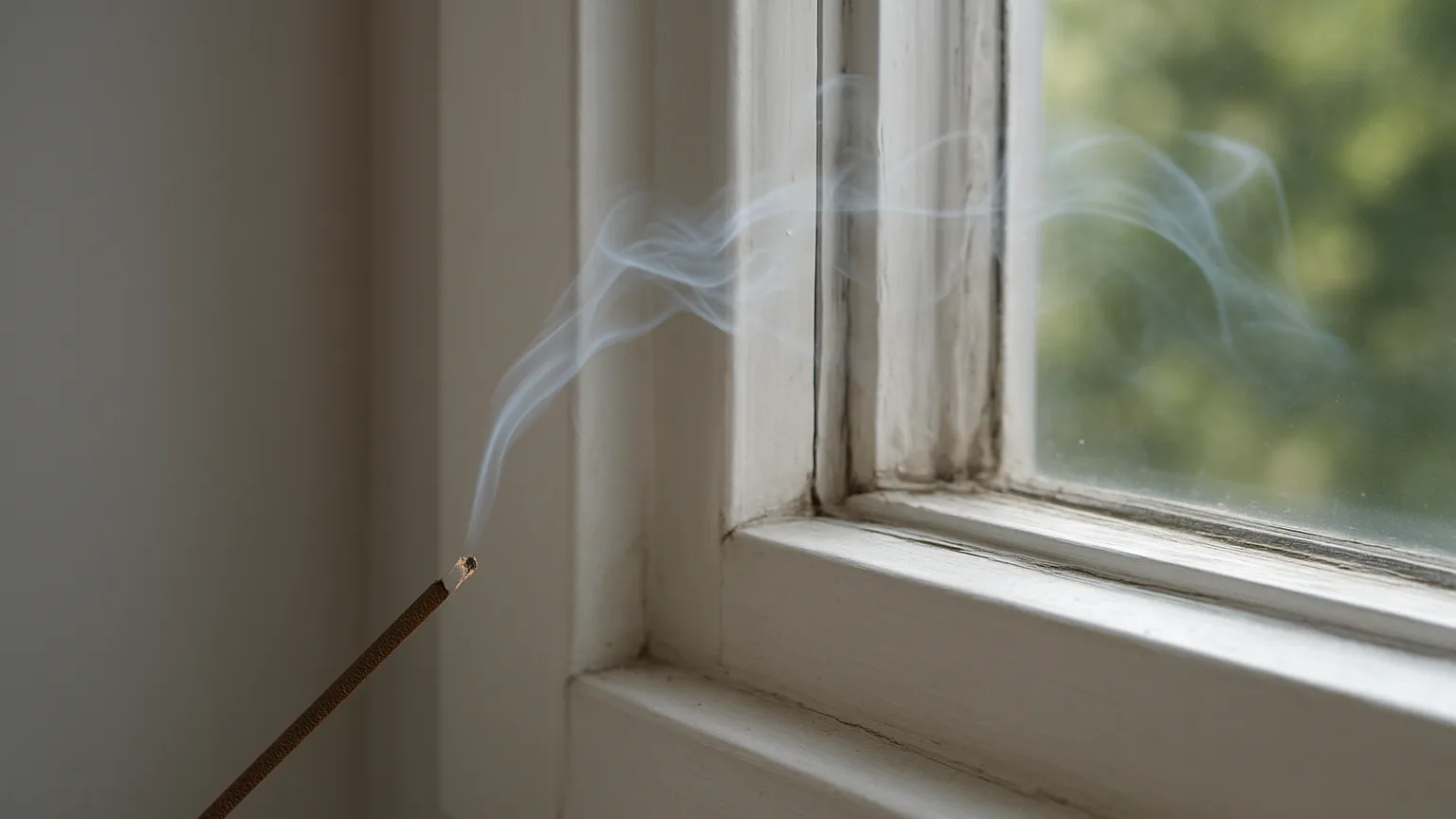
- The candle or incense test. On a windy day, hold a lit stick near the edges. If the smoke bends or flickers, air is getting through.
- The paper test. Close the window on a sheet of paper. If it slides out with no pull, the seal is not doing its job.
A draft does not always mean the whole window is done. Often it points to worn weatherstripping or cracked caulk. Those are cheap fixes, and timing matters a lot. There is a short repair window most homeowners miss, where a tube of caulk saves you from a much bigger bill later.
Sign Two: Glass That Looks Like Breath on a Mirror
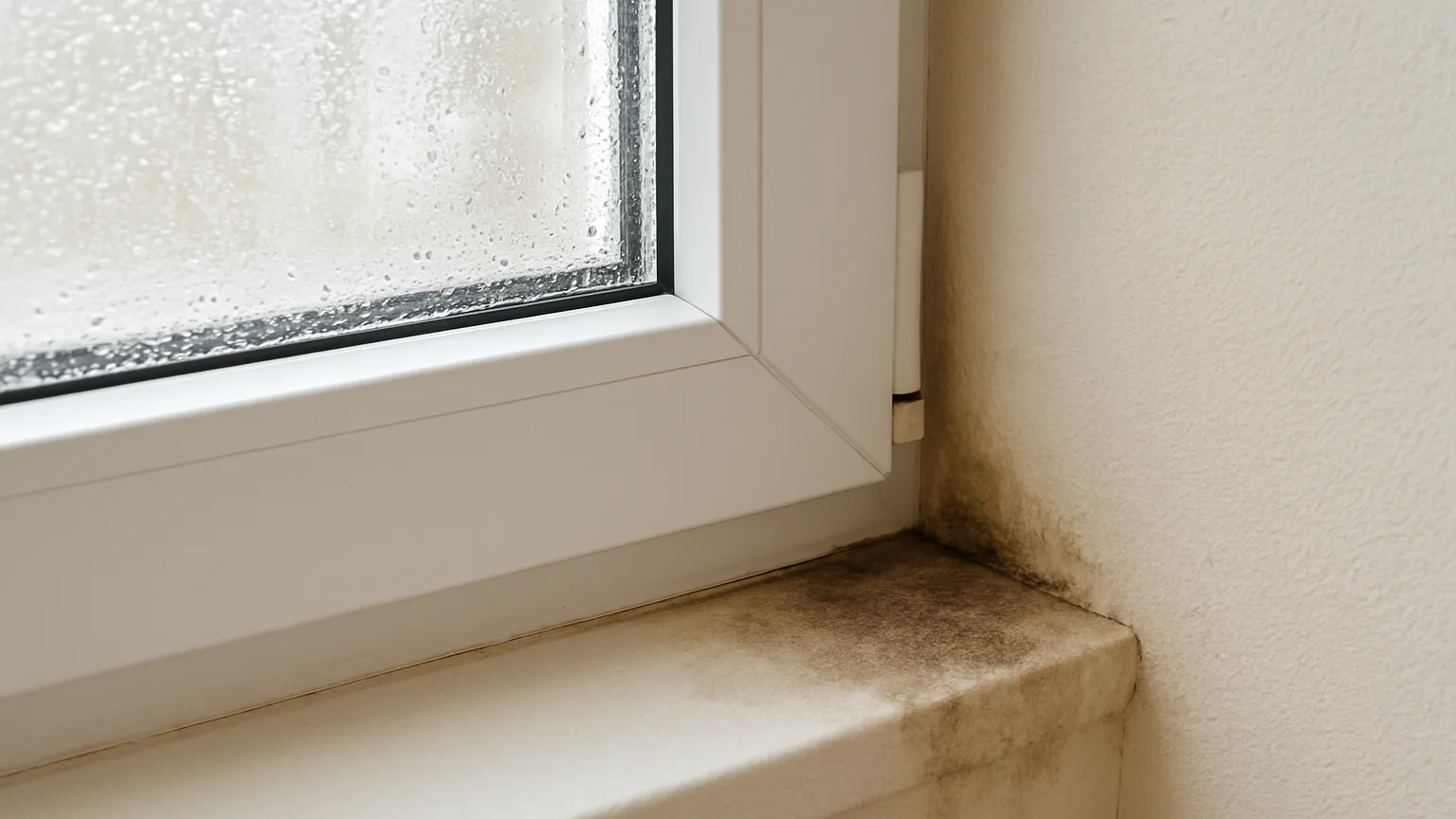
Fog on the outside of the glass is usually fine. Fog on the room side can mean high indoor humidity. But fog trapped between two panes is different. You cannot wipe it away because it is sealed inside.
That haze means the seal on a double pane unit has failed. The gas that helped insulate the window has leaked out, and moist air has moved in. Over time, you may see white streaks or mineral spots that never leave.
The good news is that a failed seal does not always mean a new frame. If the frame is solid, a glass shop can often replace just the sealed unit, and older steel frames in particular are often worth restoring rather than ripping out. If several windows are fogging at once, though, the whole set is likely aging out together.
Whisperer's Tip: Check at Sunrise
Early morning is the best time to spot seal failure. The glass is cold and the light hits at a low angle. Stand to the side of the window, not straight in front. Haze between the panes shows up clearly at that angle, even when it hides at noon.
Sign Three: The Damage That Lives Inside Your Walls
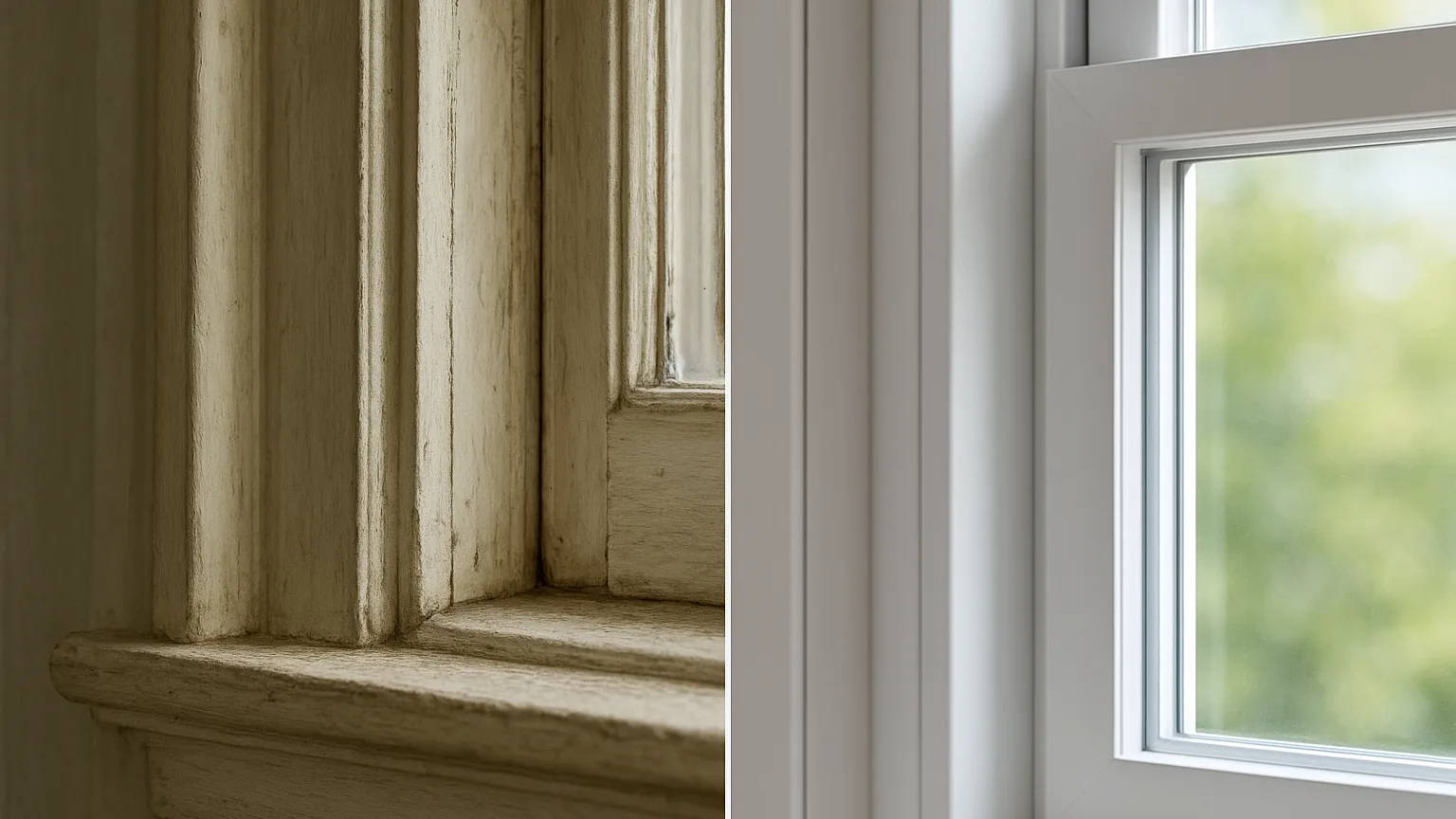
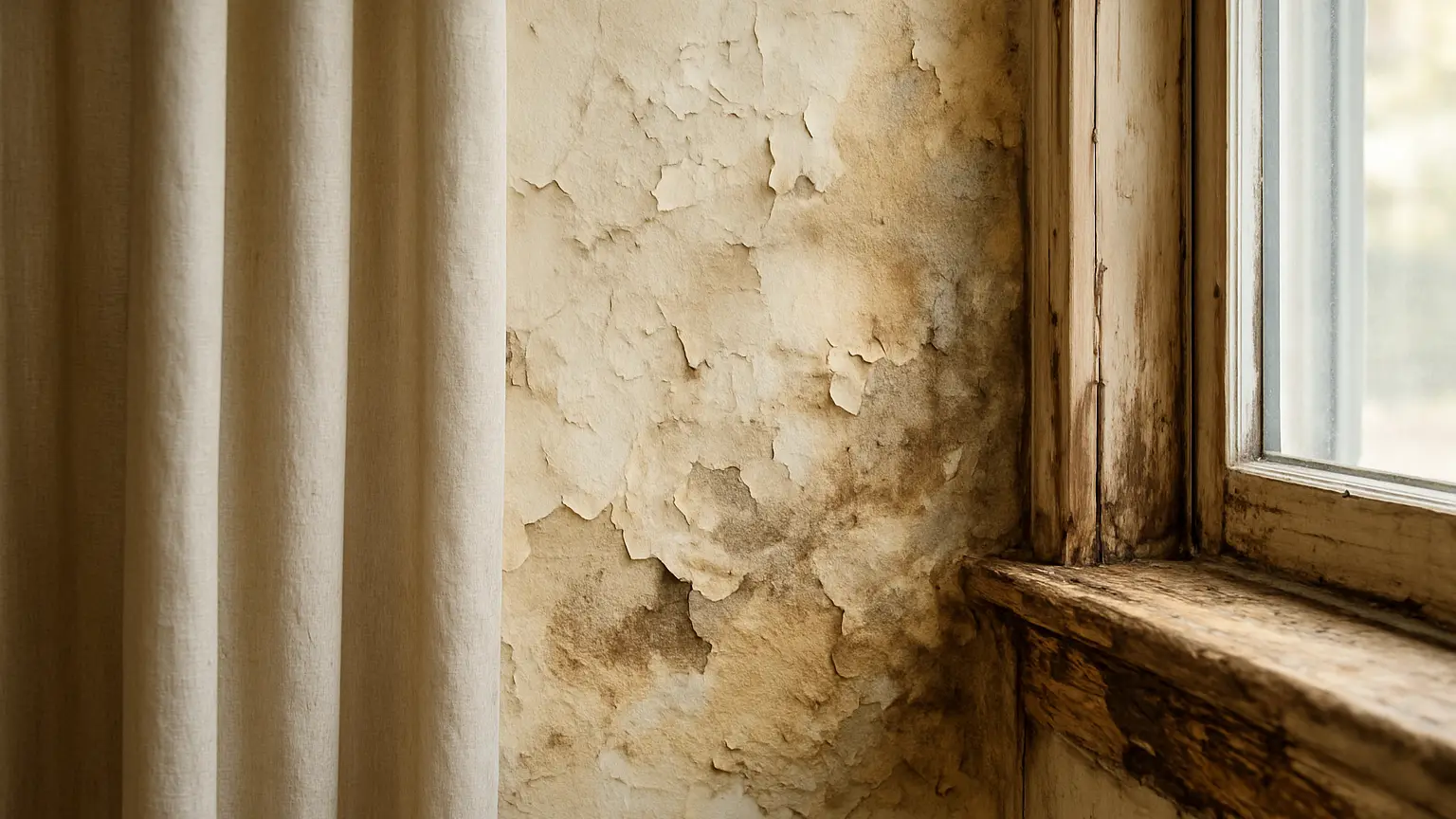
This is the sign that hides indoors, and it is the one that costs the most when ignored. Water from a failing window does not always drip onto the floor. It often runs down inside the frame, soaks into the sill, and wicks into the drywall below.
Curtains, blinds, and furniture hide it well. That is why so many people only find it when they move or repaint. By then the wood may be soft, and mold may have started behind the paint.
What to Look for Around the Frame
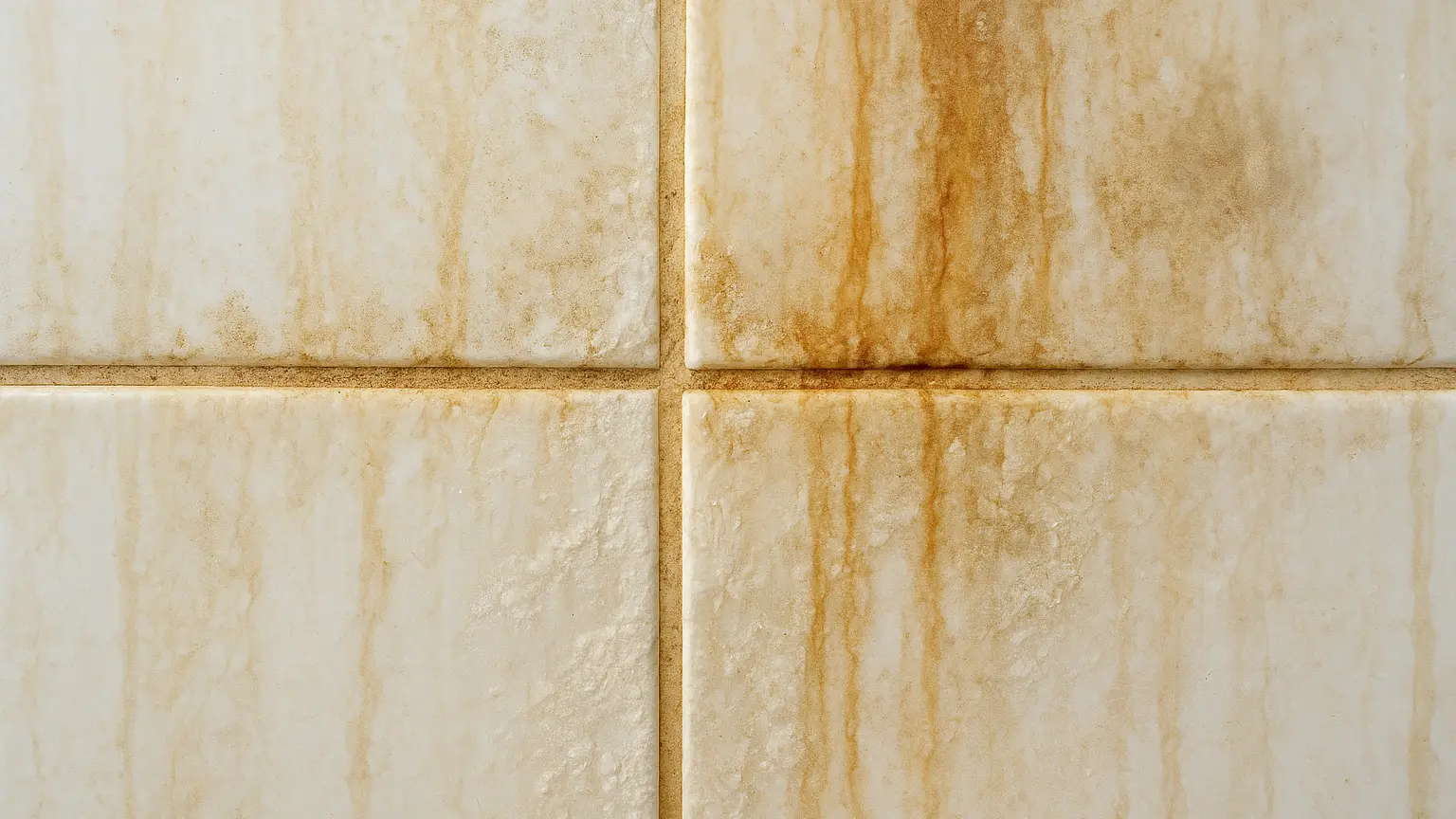
- Paint that bubbles, blisters, or peels below the window corners
- Dark lines or brown rings on the drywall under the sill
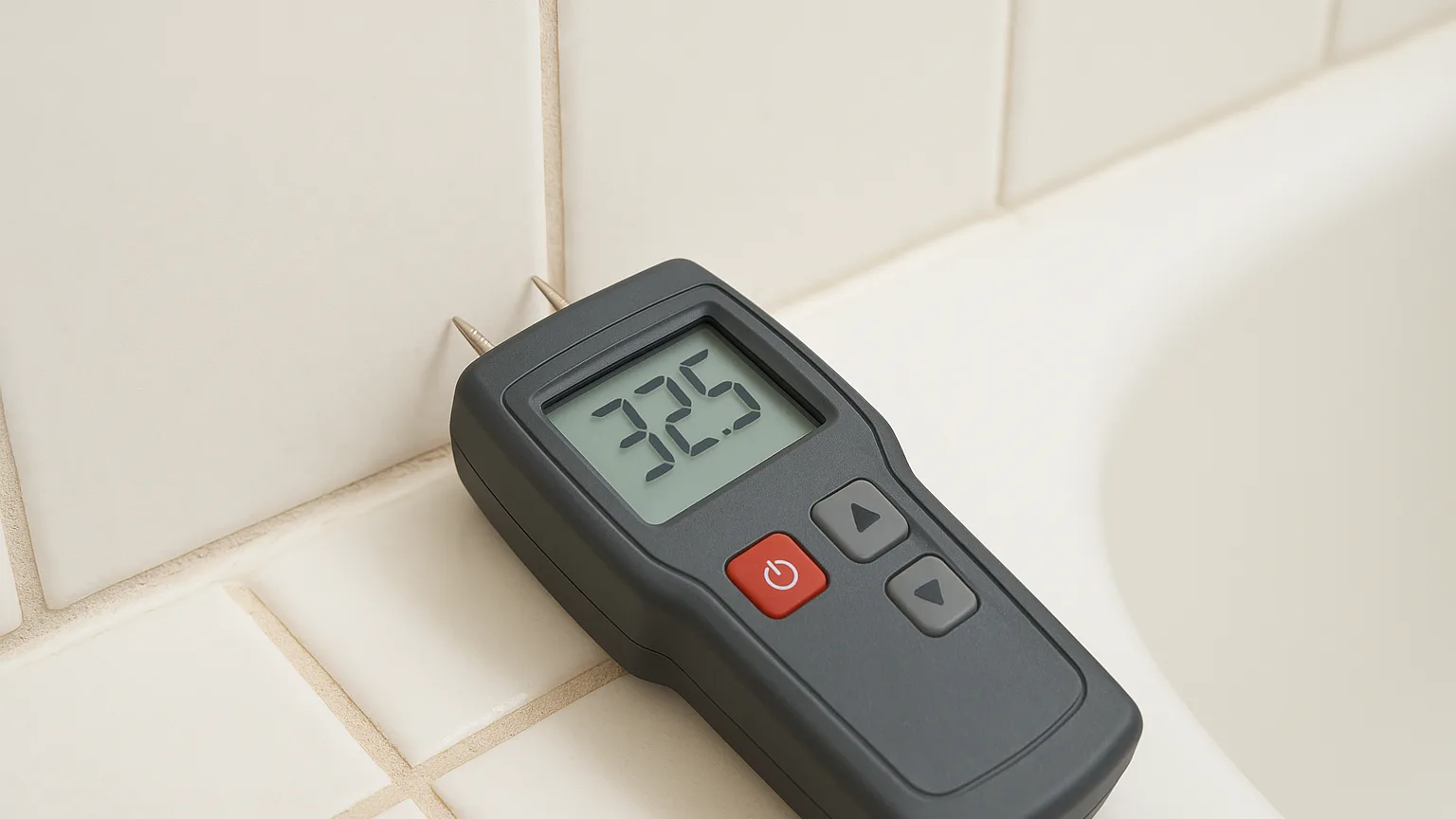
- A sill that feels soft or spongy when you press it with a thumb
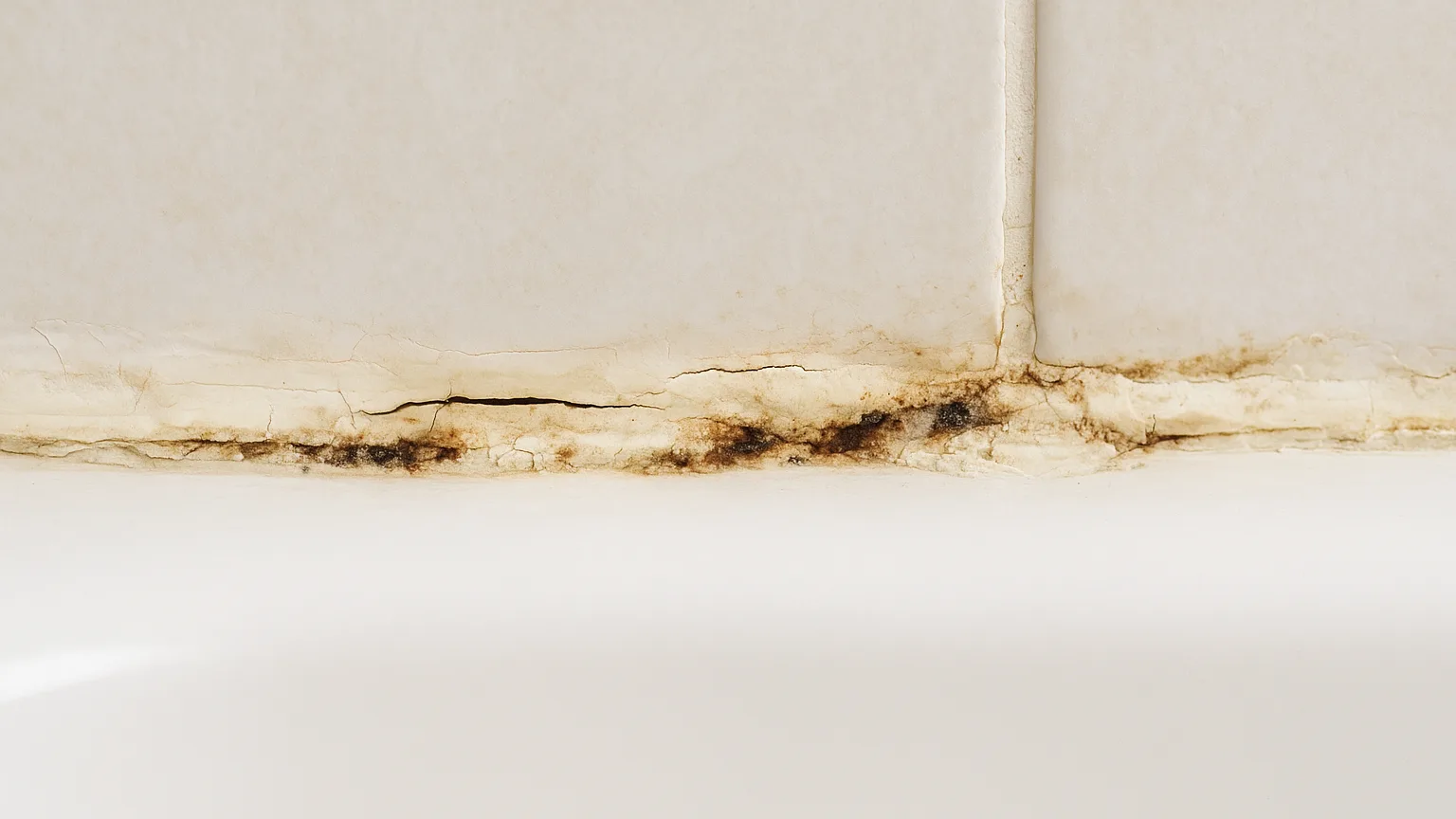
- Black or gray spots in the corners of the frame
- Swollen trim or gaps where trim used to sit tight
- A damp, musty smell that gets stronger after rain
Why This Sign Matters Most
Drafts waste money. Fog hurts the view. But hidden moisture damages the house itself. It can rot framing, ruin flooring, and affect the air you breathe. One soft sill is a warning. Two or three soft sills in the same wall usually mean water is getting past the window flashing outside.
“People call us about a stained wall, thinking it is a paint problem,” says Marcus Ellery, senior installation consultant at Affordable Windows. “When we pull the trim, the real story is almost always a window that stopped shedding water years ago.”
If you find stains, do not just paint over them. Find the source first. Run a hose on the outside of the window for a few minutes while someone watches inside. If water shows up, you have your answer.
Whisperer's Tip: Measure Before You Panic
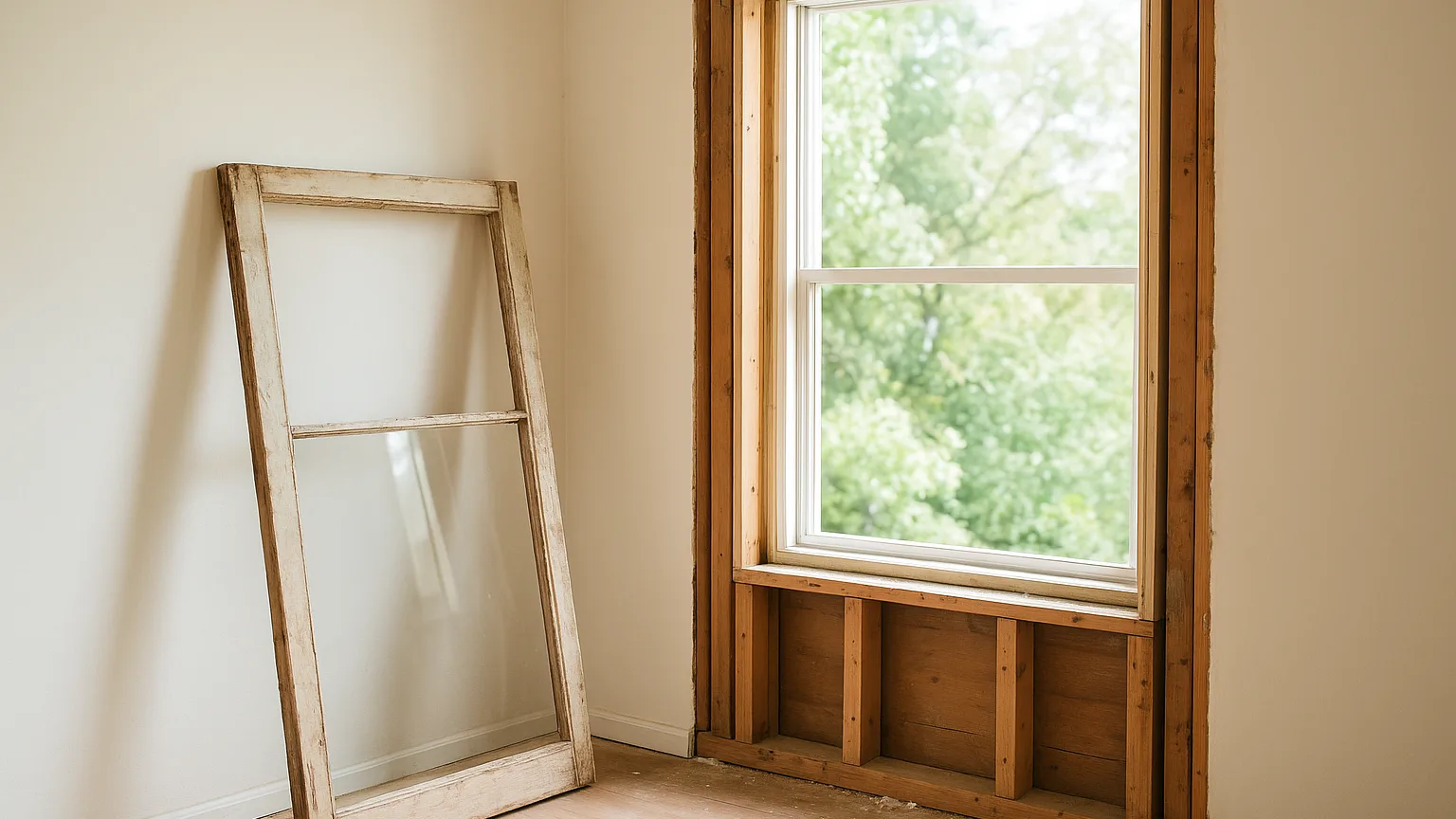
Before you call anyone, take photos of every stain and measure each window opening. Note the width and height in three spots, since older openings are rarely square. Small size differences change what fits and how it looks, and that one inch that makes new windows look off is easier to avoid when you know your numbers up front.
Sign Four: A Sash That Sticks, Drops, or Fights Back
A window should open with steady, easy pressure. When it sticks, the frame may have swollen from moisture. When it slams down or will not stay up, the balance springs are worn. When the lock will not line up, the frame may have shifted.
A sticking window is more than a nuisance. In a fire, it needs to open fast. A window that will not lock also leaves your home less secure. Hardware, springs, and locks are often easy to replace. A warped or rotted frame is not.
Repair It or Replace It: A Simple Way to Decide
Go back to the notes you took on your walk. Count the signs per window, then look at the whole house. That bigger picture tells you more than any single clue.
Repair Usually Makes Sense When
- Only one or two windows show problems
- The issue is weatherstripping, caulk, a lock, or a spring
- The frame is solid, with no soft spots or rot
- Only one sealed glass unit has fogged
Replacement Usually Makes Sense When
- Most windows show two or more signs at once
- Frames are soft, cracked, or warped
- Water stains keep coming back after repairs
- The windows are single pane or more than 20 years old
- Your energy bills keep climbing with no other cause
If you land in the replacement column, look closely at energy ratings and frame materials for your climate. In hot, sunny regions, reading up on Energy Star replacement windows helps you compare glass coatings and frame types before you ever sit down for a quote.
The Cost of Waiting
A draft costs you a little each month. A fogged pane costs you some comfort. But hidden water damage grows quietly. A window that might have needed a simple swap can turn into new framing, new drywall, and mold cleanup, the kind of hidden replacement cost items that rarely show up in a first estimate. Waiting rarely makes a window cheaper to fix.
Whisperer's Tip: Check at Sunrise
Early morning is the best time to spot seal failure. The glass is cold and the light hits at a low angle. Stand to the side of the window, not straight in front. Haze between the panes shows up clearly at that angle, even when it hides at noon.
Let the House Have the Last Word
Your windows give plenty of warning before they fail. Drafts show up first, then fog between the panes, then the hidden water stains on sills and walls that most people miss. Sticking sashes and loose locks round out the list. Each sign on its own may only call for a small repair, but several signs across the house usually point toward full replacement.
The trick is to listen early. Walk your home with fresh eyes, check behind the curtains, press on the sills, and write down what you find. Fix the small things while they are still small. And when the clues stack up, trust them. A house that is heard in time is a house that stays dry, comfortable, and sound for years to come.