Part 2 of 3 in the series The Slow Leak Chronicles: How a Bathroom Falls Apart in Slow Motion.
Part one of this series followed the minerals in your tap water as they chewed through chrome, enamel and valve seats. That damage at least announces itself — you can see a rust bloom. You cannot see this one, because it lives in a half inch gap behind a strip of caulk you stopped noticing years ago.
This series was shaped in part by the team at Rapid Refinishing, who spend their days on tubs homeowners thought needed only a cosmetic touch up, and who see what is waiting once the old surround comes loose.
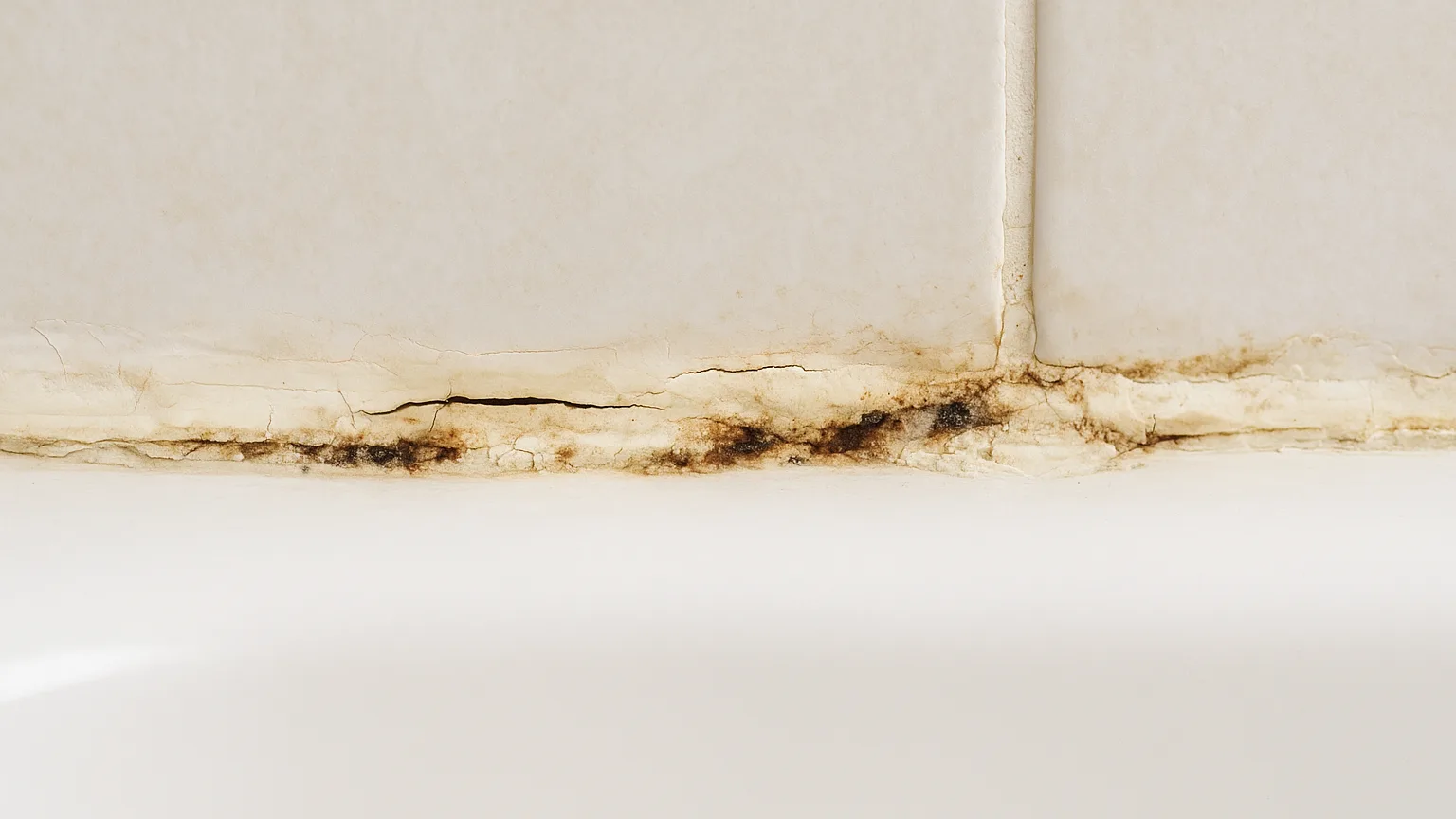
A full tub with a person in it can weigh four hundred pounds. It flexes down a hair when you step in and rises back up when you step out; the wall does not move with it. Caulk is the only material in that joint flexible enough to handle the difference, and its working life is measured in a few short years, not decades. When that bead gives up, nothing dramatic happens. No drip, no puddle, no stain on the ceiling below — just a thin dark line doing a slightly worse job every week.
Where the Joint Actually Fails
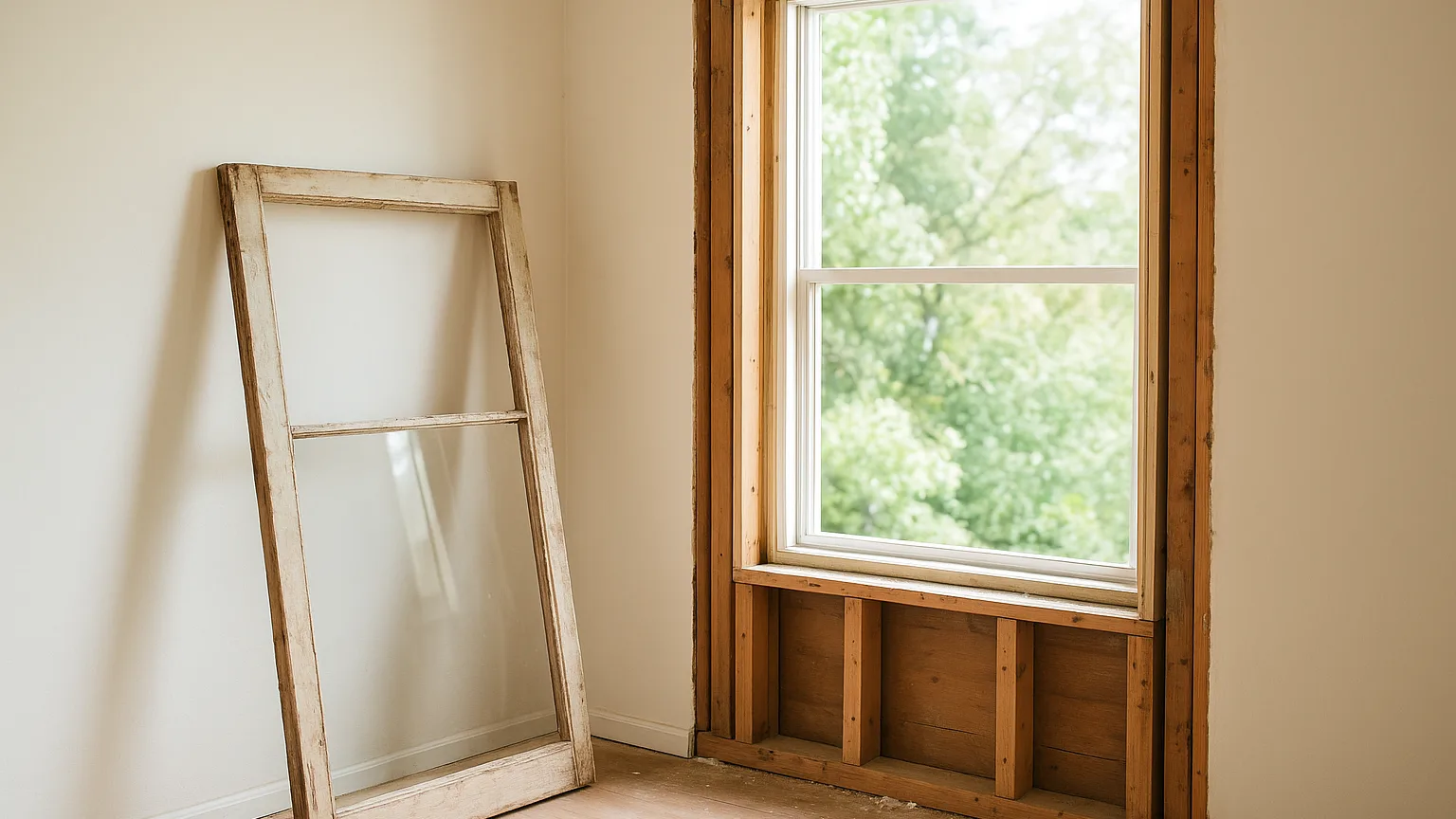
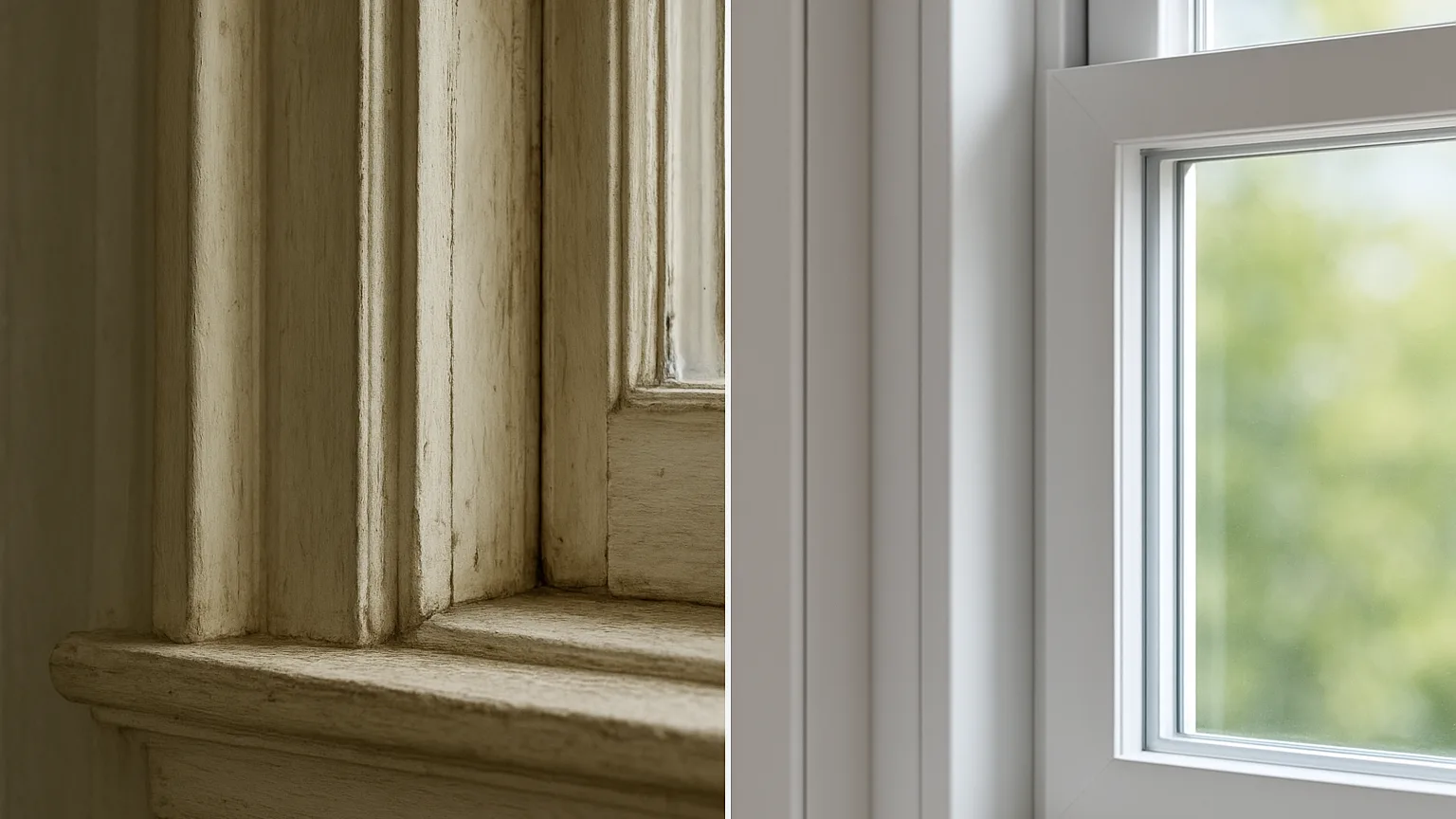
Most people picture a leak as water spraying out. A caulk failure is the opposite: water goes in, and has no fast way out. Small dimensions decide big outcomes in a bathroom much the way a single inch of trim can make a new window look wrong, and here the entry points are small and ordinary:
- Hairline separation at the top of the bead, where the caulk pulled away from tile but still looks attached from standing height.
- Mildew pockets that have eaten into the caulk and turned it spongy and porous.
- Caulk applied over caulk, which never bonds to the substrate and lifts as a sheet.
- Movement cracks at the corners, where three planes meet and stress concentrates.
- A gap wider than caulk could ever bridge, usually from a tub that was never shimmed or screwed to the studs properly.
Water enters as a film, not a stream. A shower throws a surprising amount of volume at that joint, and capillary action pulls it sideways into a dark, unventilated cavity. The same trapped moisture problem shows up in walls across the valley, which is why protecting drywall from Mesa's heat is not only about temperature but about what happens when humidity has nowhere to go.
Pro Tip
Run your fingernail along the full tub to wall joint, including the short ends people skip. If the caulk feels rubbery and chalky, or your nail lifts an edge anywhere, that bead is finished. A joint that still works feels firm and stays flush when pressed. Do the same along the floor line at the front apron — that is where gravity delivers whatever has already gotten in.
What Rots First, and How Fast
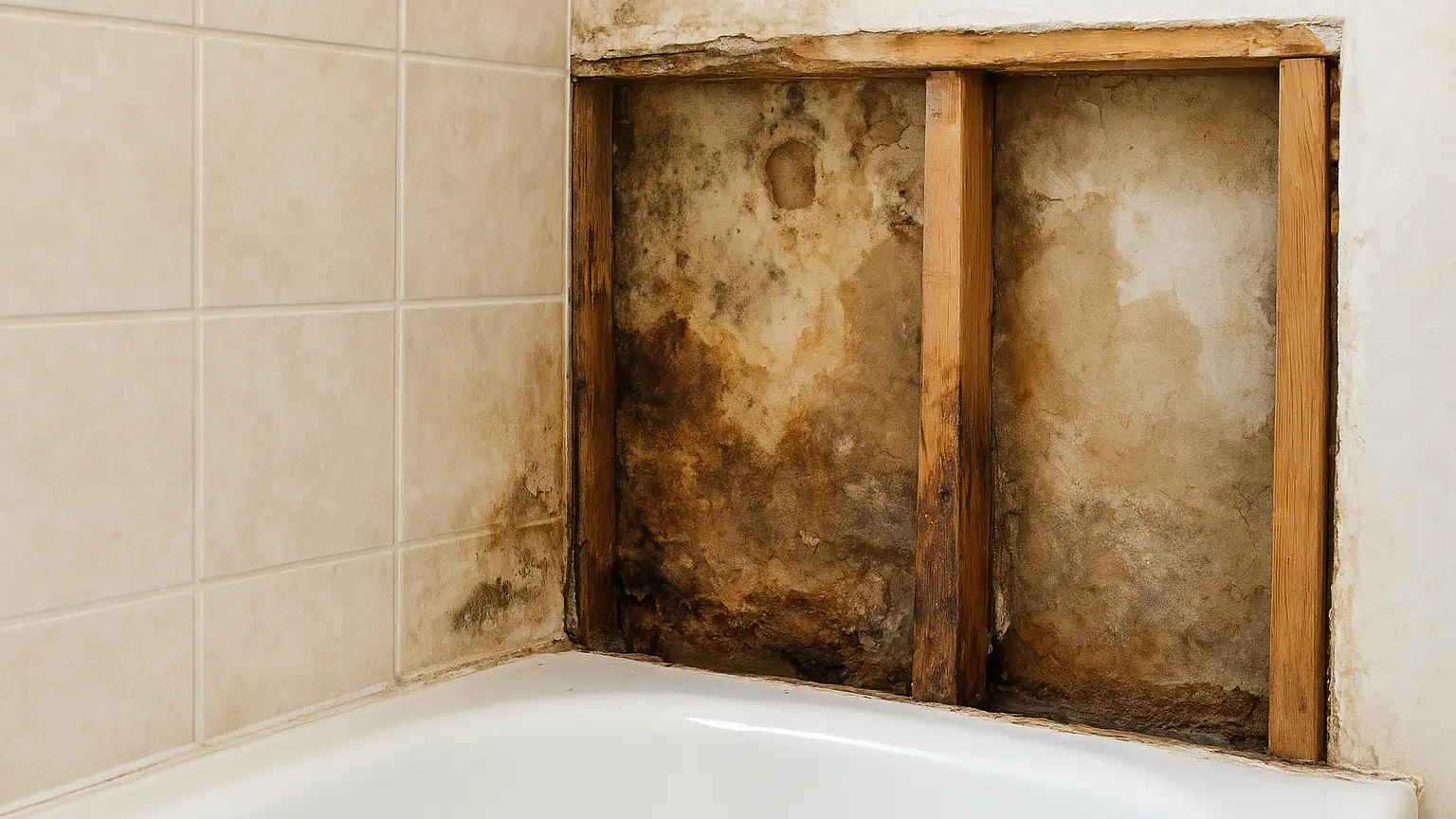
A worn tub shell is a surface problem, and whether refinishing a fiberglass tub is worth it comes down to that surface — but behind the tile and under the tub, the materials are not waterproof. They were only ever meant to stay dry.
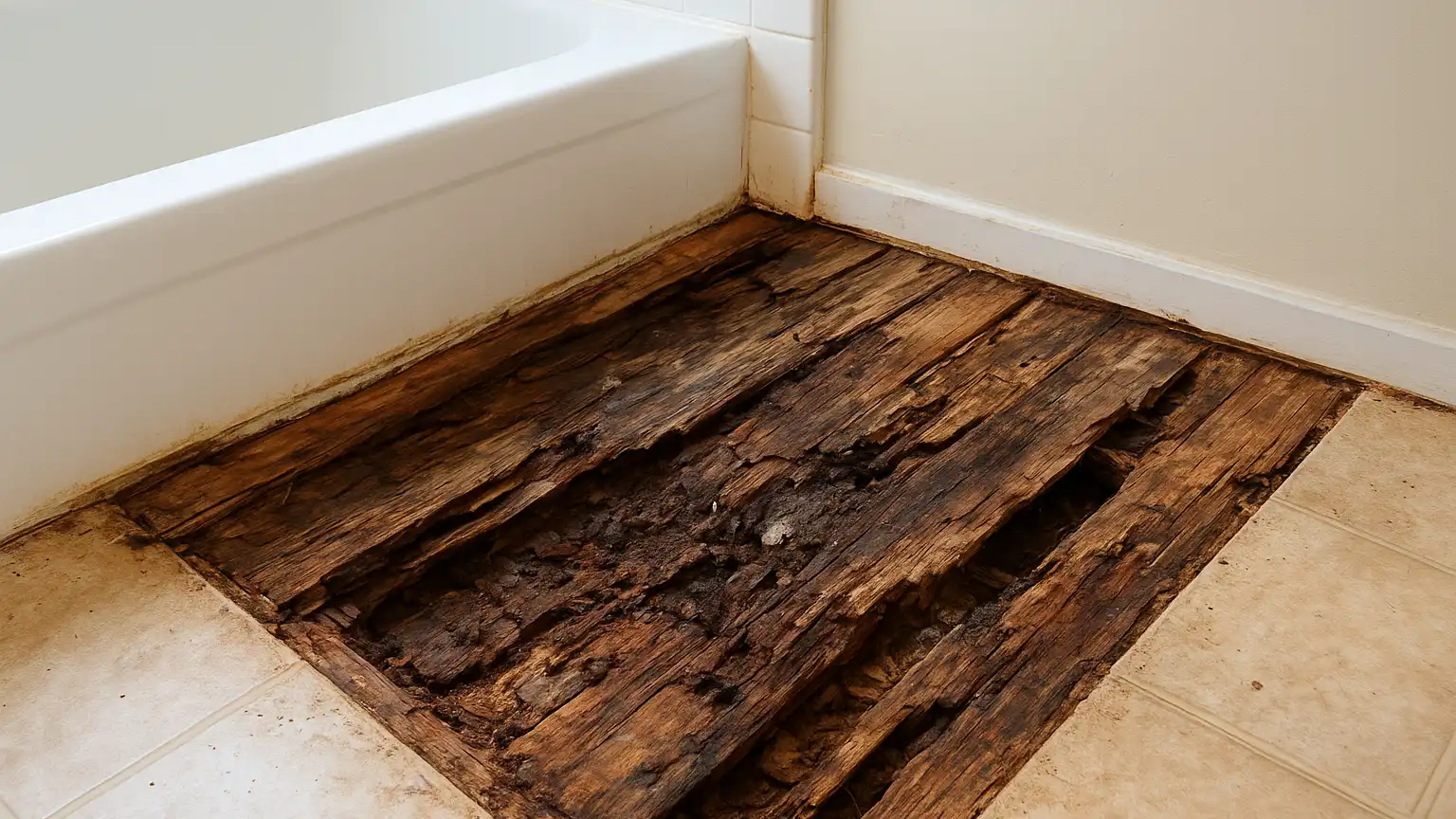
Standard subfloor is plywood or oriented strand board — wood chips and glue pressed into a sheet. Add moisture and the chips swell, the glue weakens, and the panel loses its edge strength. It does not rot overnight; it softens over seasons, and you feel it before you see it, as a slight give in the floor near the tub.
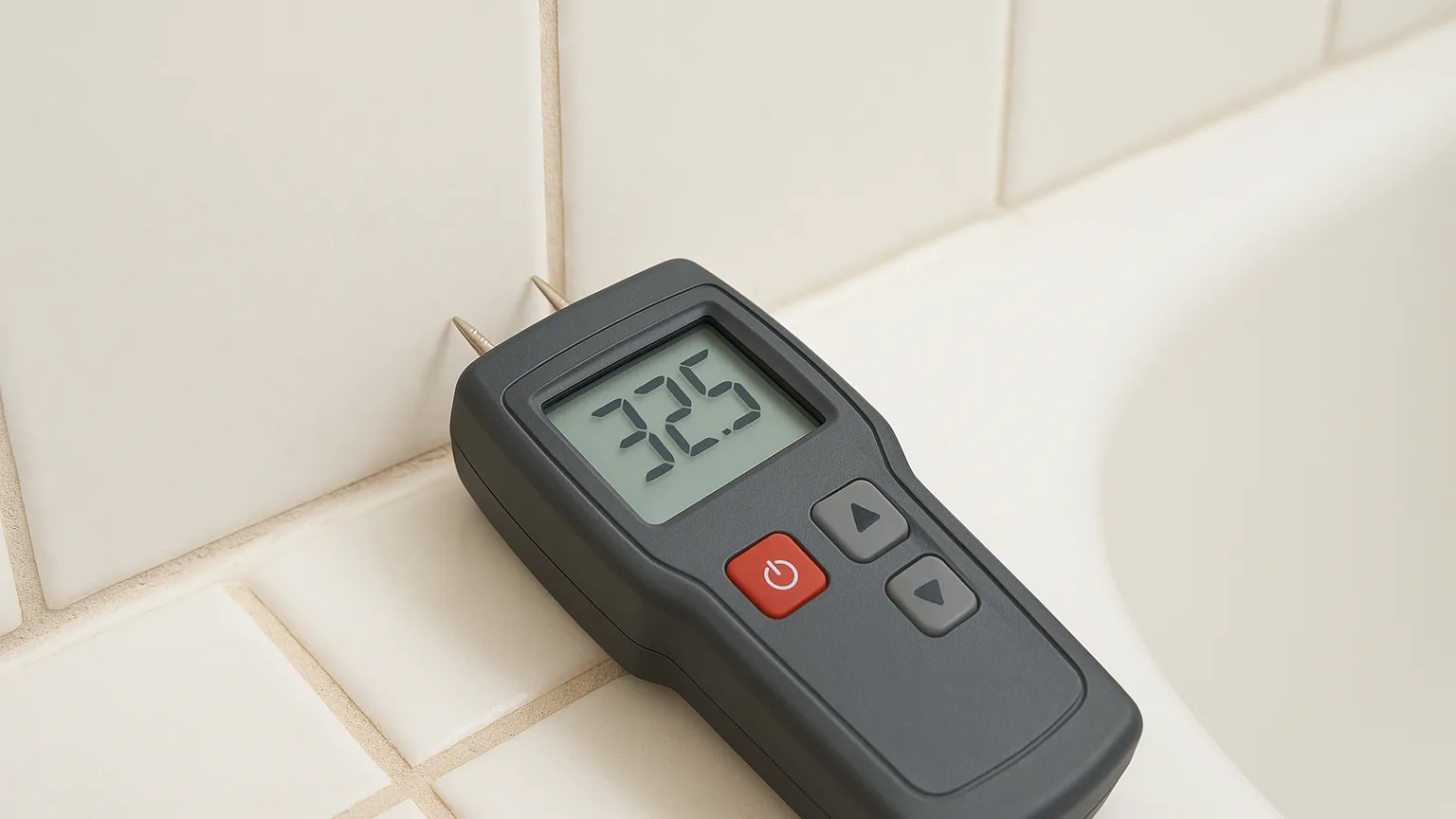
Framing goes next. Studs behind the tub flange and joists under it stay damp in a cavity with no ventilation. Wood needs to hold moisture above roughly twenty percent for decay fungi to get going, and a caulk gap feeding water in weekly keeps it well past that line. Rot works inward from the surface, so a stud can look fine from the face and crumble when probed.
What Drywall Does in the Middle of All This
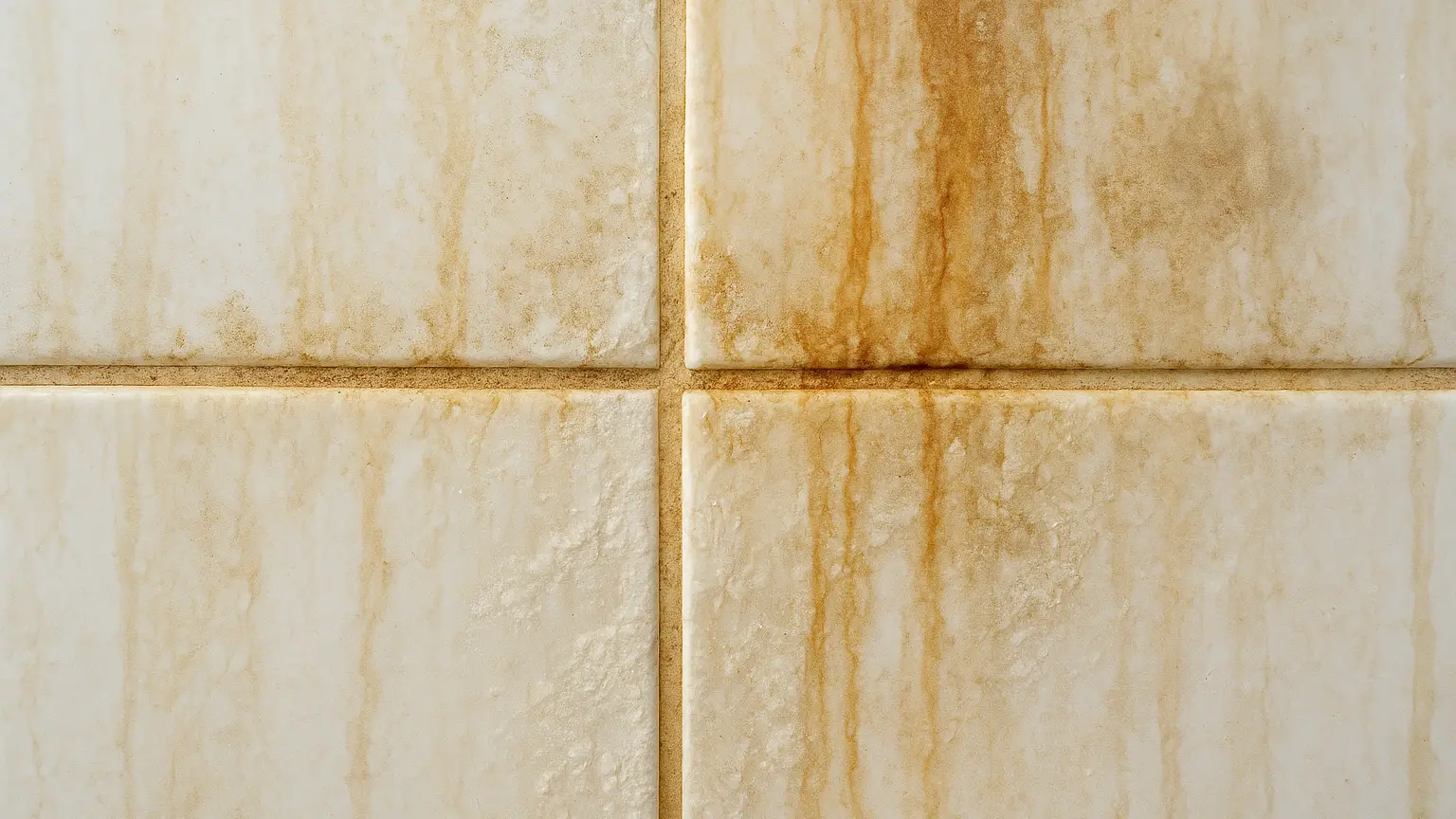
Drywall is gypsum wrapped in paper, and paper is food. It wicks moisture sideways and upward, far past the entry point, which is why a bathroom with a bad caulk line often shows its first visible damage on the other side of the wall — a hallway, a closet, a bedroom baseboard. Once the paper facing stays damp, mold colonizes it quickly and the gypsum core softens until it will not hold a fastener. The scope of that repair shocks people, something covered well in making a splash for anyone who has already found soft material.
Pro Tip: The Tile Press Test
Press firmly on the wall tile just above the tub rim with the flat of your hand. Any movement, hollow sound change or grout dust at the joint means the substrate behind it is compromised, not the tile itself. Tile does not loosen; the thing it is stuck to fails first.
Symptoms You Can Spot Without Opening a Wall
You cannot open the wall every six months. You can read the symptoms the cavity sends out, and they are more specific than most people expect.
- A musty smell strongest near the floor at the tub apron, and worse after a shower.
- Flooring that is cupping or lifting in a narrow band parallel to the tub.
- Grout that keeps cracking in the same spot after you repair it, which means the structure under it is moving.
- Paint blistering low on the opposite side of the shared wall.
- A tub that feels slightly springy or makes a creak it did not make before.
- Baseboard swollen at the bottom edge while the top looks untouched.
Timing matters too. When a tub surface is tired and chipped from the mineral damage covered in invisible war being waged, resurfacing is usually the economical move — but only if the structure holding the tub is sound. Whether you refinish fiberglass tubs often turns on what the installer finds once the old caulk and any loose surround come off. A tub sitting on soft subfloor will keep moving, and a moving tub cracks a new bead within a season. Fix the gap, then fix the surface.
Pro Tip
Run your fingernail along the full tub to wall joint, including the short ends people skip. If the caulk feels rubbery and chalky, or your nail lifts an edge anywhere, that bead is finished. A joint that still works feels firm and stays flush when pressed. Do the same along the floor line at the front apron — that is where gravity delivers whatever has already gotten in.
The Thin Line That Decides Everything
A caulk bead costs under ten dollars and twenty minutes of a Saturday. The repair it prevents involves pulling tile, cutting out drywall, sistering joists, replacing subfloor and resetting a tub. Same bathroom, two outcomes, separated by whether anyone looked at a grey line closely enough to notice it had quit. Water does not need pressure or volume to take a bathroom apart; it needs an opening, patience and darkness, and a failed joint supplies all three.
Treat that joint as a maintenance item with an expiration date, not a finish detail that lasts as long as the tile. Scrape it, clean it, replace it on a schedule, and the cavity behind your tub stays boring forever. In the final part of this series, we look at the warning window itself — the months when the signs are already there and the repair is still cheap — and exactly how to check before repair window most homeowners sleep becomes the only option left.