
This series is for homeowners and remodelers who are weighing a metal roof as part of a bigger project. It is not a spec sheet and it is not a sales pitch. It is the conversation that usually happens too late, after the deposit clears and the old shingles are already in the dumpster.
There is a deeper practical look at metal roof painting for anyone weighing the options.
Metal has become the go-to upgrade for people who plan to stay put. It sheds snow, it laughs at hail, and it can outlive the mortgage. The trouble is that most people judge a metal roof by two things: the look of the panel and the price per square. The details that decide whether it lasts five decades or fails in eight years sit somewhere else entirely, in the deck below it, the fastener system holding it down, the trim that closes it off, and the hands doing the work.
Field input from The Metal Roofers, a crew that installs, repairs, and tears off metal roofs week after week, helped shape what stayed in these pages and what got cut. Their patterns of what goes wrong on real jobs run through all three parts below.
Read the Series
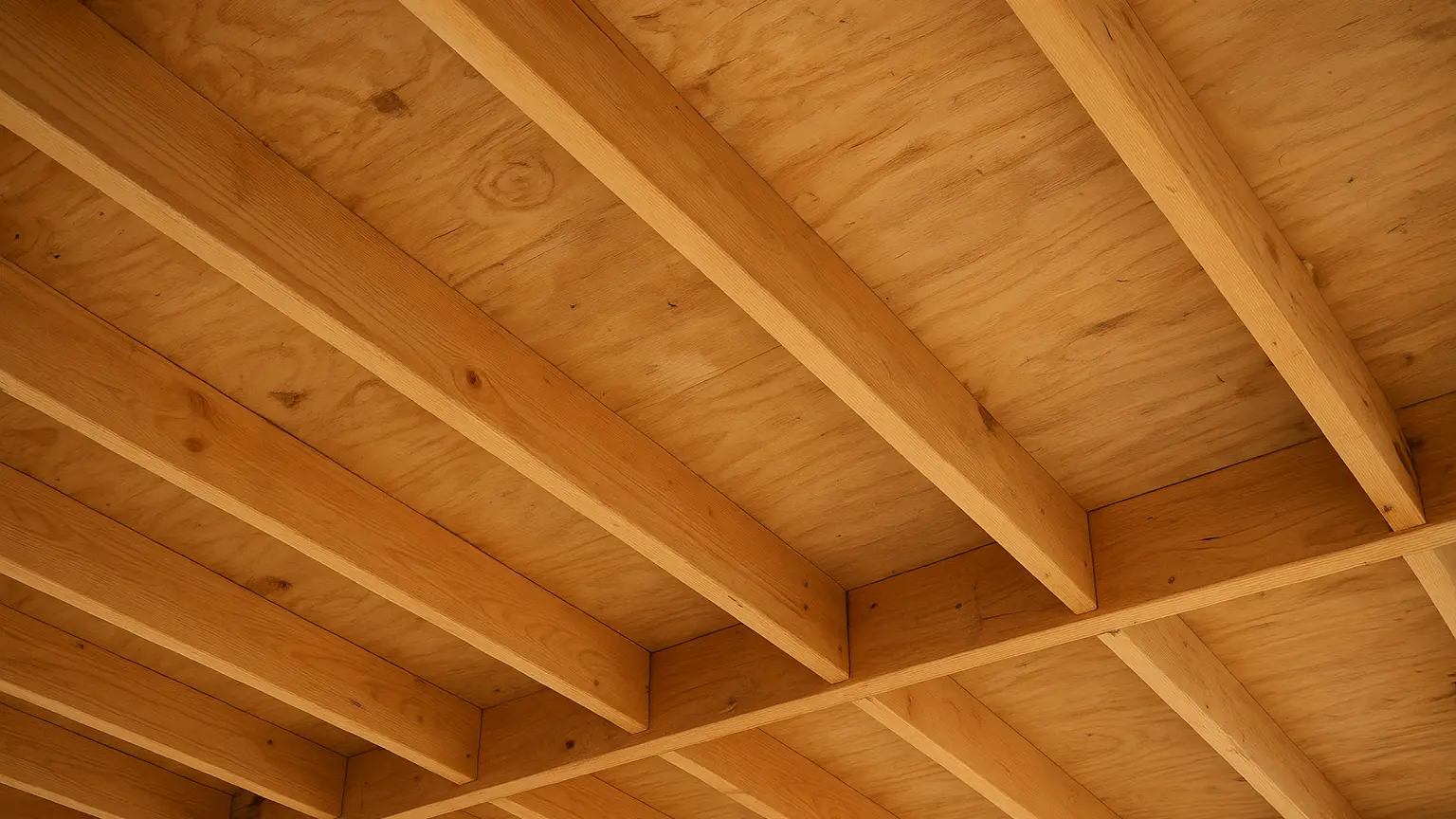
Part 1: The Question Nobody Asks Before Quoting a Metal Roof — And Why It Changes Everything Underneath
Explores the overlooked structural, decking, and ventilation realities that determine whether a metal roof belongs on your remodel at all, and the single conversation that saves homeowners from a costly reversal.
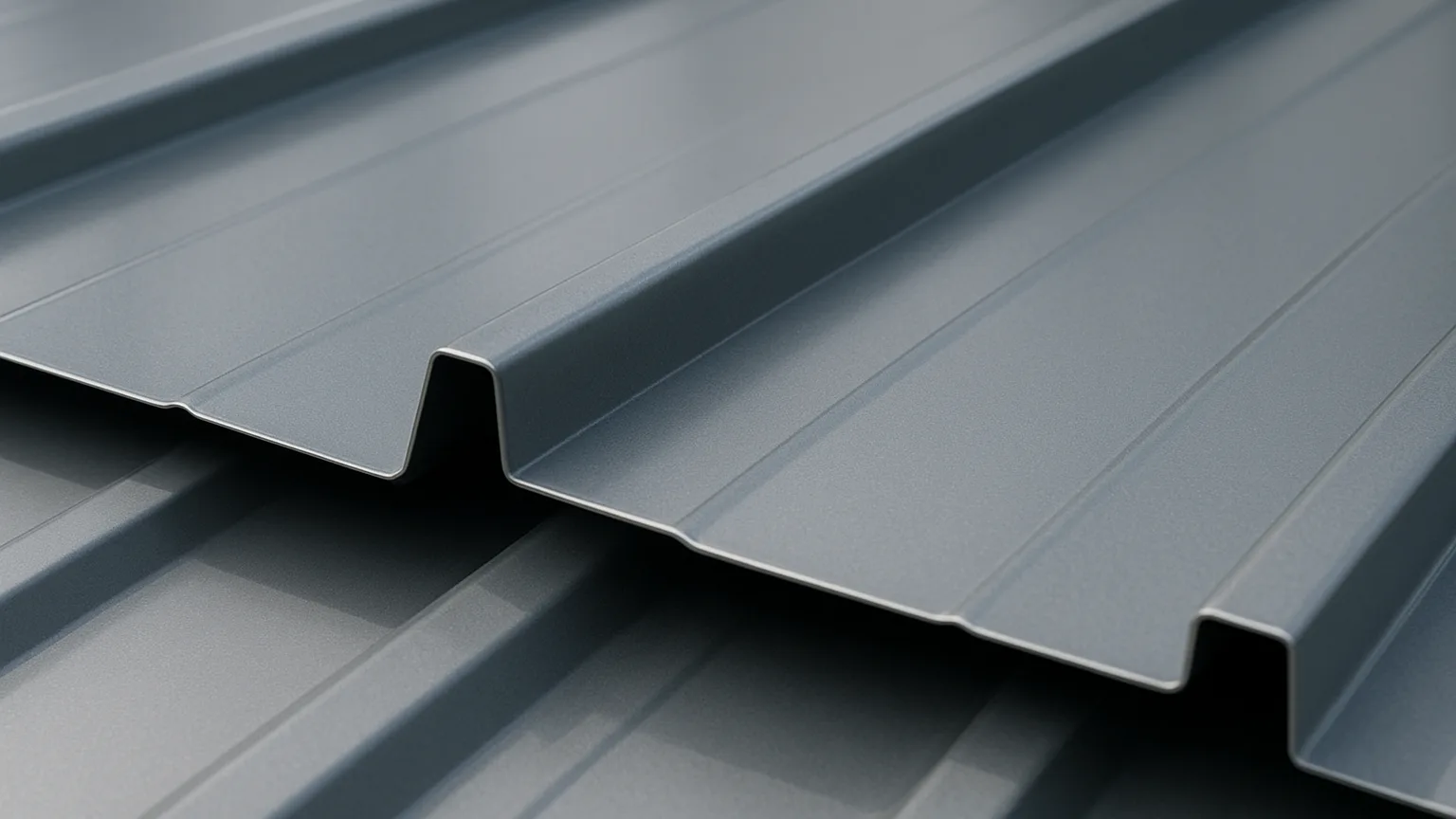
Part 2: Two Homes, Same Panel, Wildly Different Results: The Hidden Variable in Every Metal Roof Bid
Breaks down profiles, coatings, fastener systems, and installer methods to reveal the specification detail that separates a roof that ages beautifully from one that fails early.
Part 3: The Mistake Homeowners Make in the Final Week of a Metal Roof Install — Long After the Panels Are Up
Covers trim, flashing, gutter transitions, walkthrough inspections, warranty registration, and the maintenance rhythm that quietly protects your investment before winter arrives.
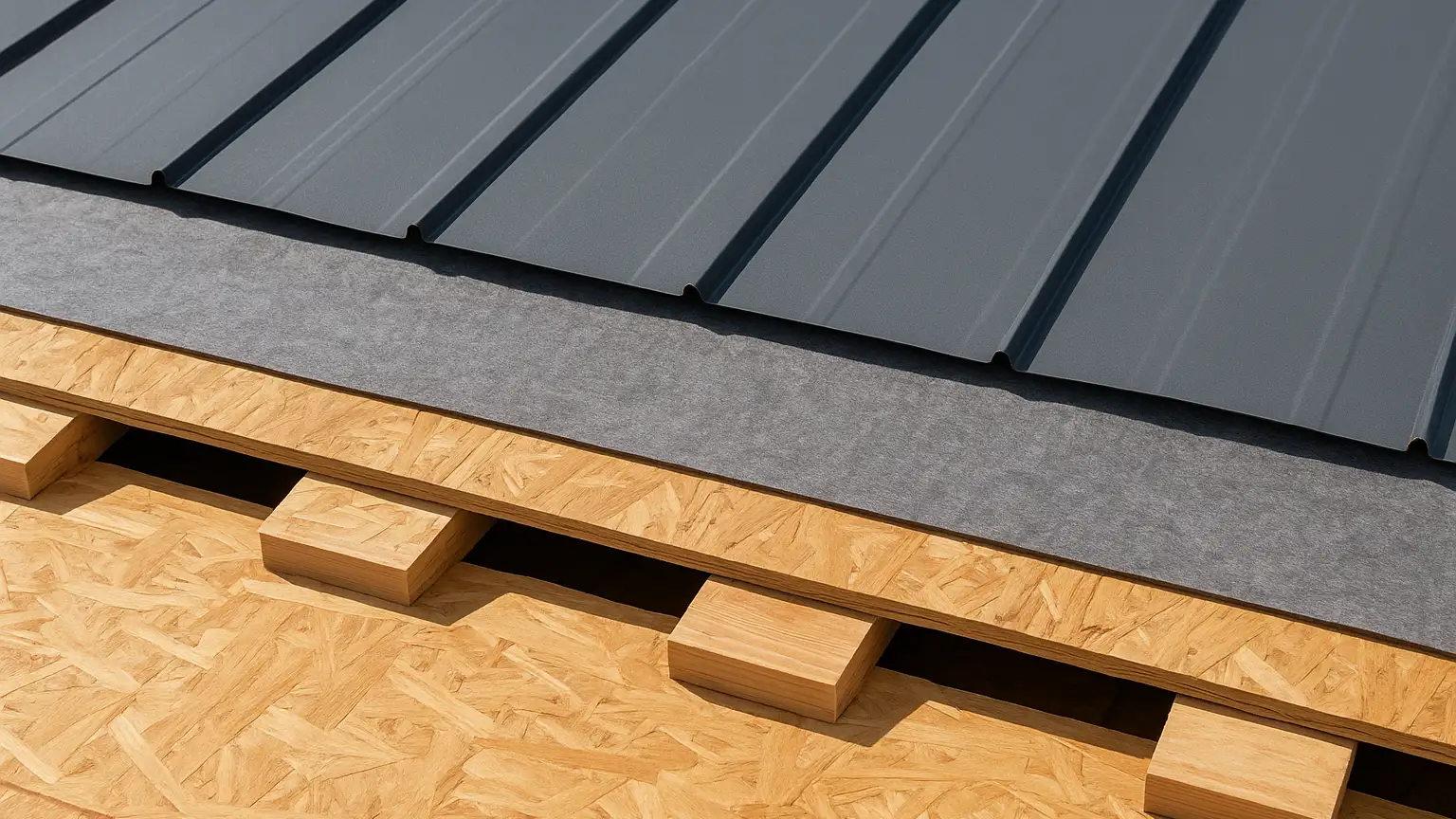
The first stretch of the series starts before anyone measures a panel. A metal roof changes how weight, heat, and moisture move through the top of your house, and a remodel is the one moment when you can actually fix what is underneath.
Part one walks through the checks that get skipped in a rushed estimate:
- Deck condition: soft sheathing, old nail holes, and layered shingles that were never meant to carry a new system
- Framing and load paths: whether the structure suits standing seam, exposed fastener panels, or neither
- Ventilation and airflow: intake and exhaust that keep condensation from forming on the back of the metal
- Underlayment choice: the layer that quietly does half the waterproofing work
It closes on one question, asked out loud before quoting, that separates a smart install from a costly reversal. Crews such as The Metal Roofers tend to ask it while they are still standing in the attic with a flashlight, not after the trucks arrive.
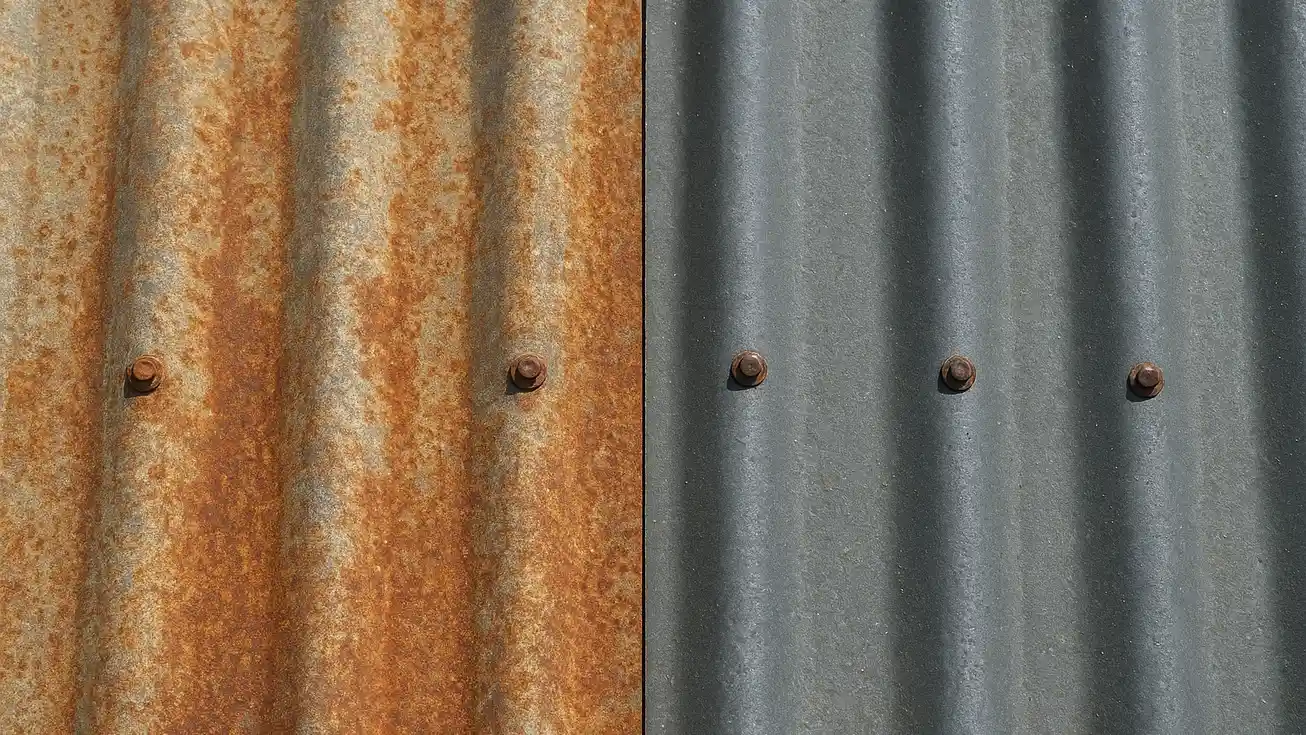
The second part answers a question that frustrates a lot of homeowners: how can two houses get the same panel, in the same color, and end up in completely different shape ten years later?
The answer is buried in the specification. Panel profile changes how water moves and where it can back up. Coating chemistry decides whether the color fades evenly or blotches on the south face. Fastener systems either allow the metal to expand and contract or fight it until something loosens. Panel gauge, clip type, and seam height all quietly move the finish line.
Then there is installer method, which no brochure covers. The same product, cut and fastened two different ways, gives you two different roofs. Part two also covers when an existing metal roof is still sound enough that metal roof painting makes more sense than a full replacement, and it gives you the exact line items to compare so two bids can finally be read side by side.
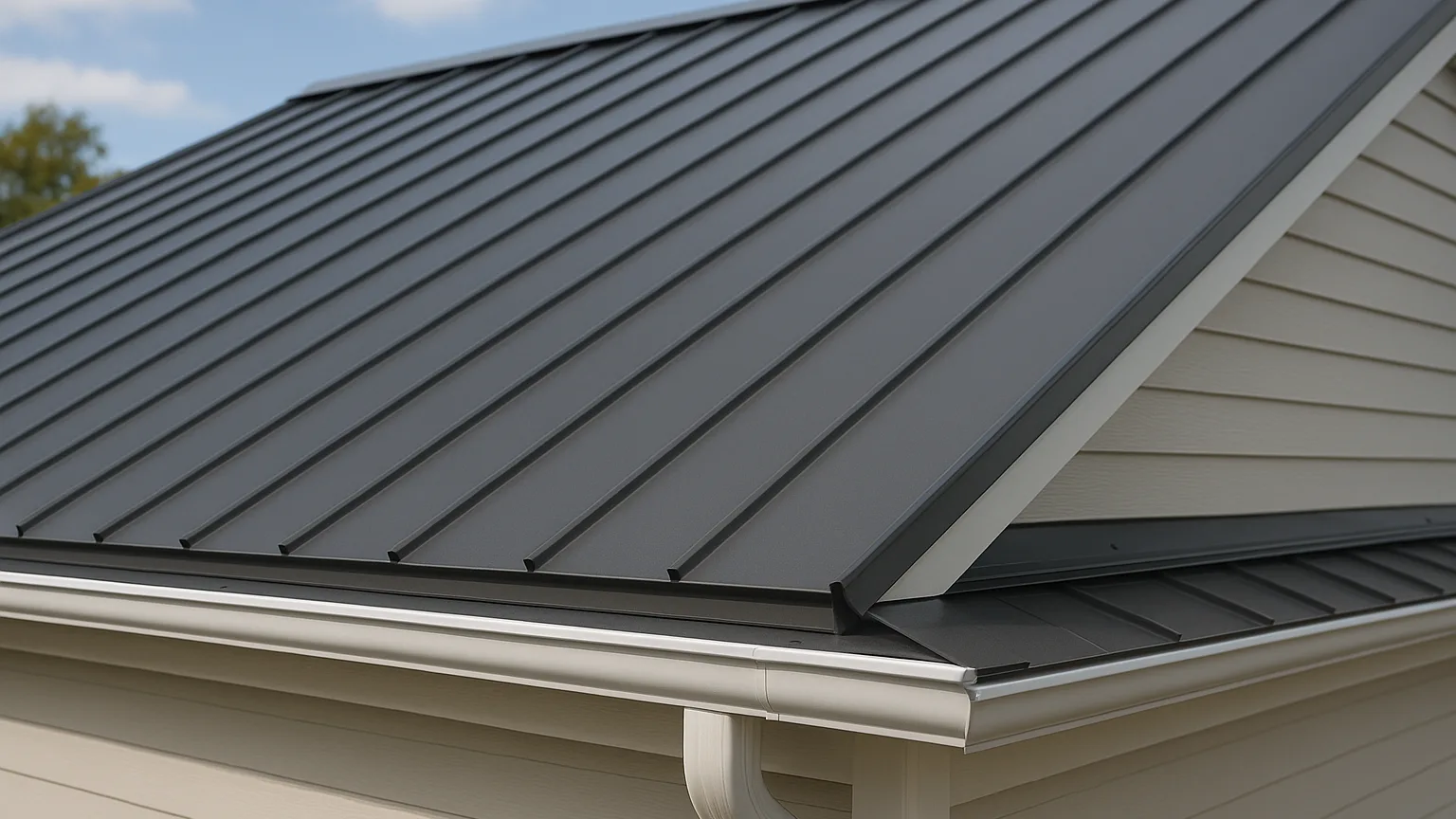
The third part covers the stage almost everyone stops paying attention to. The panels are up, the driveway is clean, and the roof looks finished. It is not. Water does not usually get in through the middle of a panel. It gets in at the edges.
This is where trim, flashing, valleys, pipe boots, ridge closures, and the transition into gutters and downspouts either lock the system shut or leave it open. Part three gives you a walkthrough you can run yourself, including what to look at from the ground with binoculars and what to ask the crew lead before final payment.
It also handles the paperwork and the rhythm afterward. Warranty registration has deadlines that people miss. Fastener checks, sealant at penetrations, keeping debris out of valleys, and knowing when a protective roof coating makes sense are all small habits that add years. The goal is to have all of it settled before the first hard freeze, not discovered during a February thaw.
Pick Your Entry Point
Read straight through if the roof is still an idea and nothing has been signed. The three parts follow the real order of a project: what is under the panels, what is in the bid, and what happens in the final week.
If you are already mid-project, jump to the part that matches where you stand. Each one holds up on its own, and each one exists because someone learned it the expensive way.
