
A solar quote can look great and still be wrong for your house. This is the walkthrough that starts with your home instead of a salesperson's tablet, and it changes what you end up buying.
Here is how solar usually happens. A homeowner sees an ad or a door knocker. A rep comes out, pulls a satellite image, and shows a monthly payment that sits below the current power bill. It looks like free money. Papers get signed within the week.
The step that gets pushed to the very end, if it happens at all, is the simple one. Sitting down with twelve months of your own electric bills and an honest look at your own roof. That is the whole game. Everything else, the panel brand, the financing, the warranty language, only makes sense once you know how much power your house actually burns and where the sun actually lands on it.
This series was shaped in part by insights from Capital Energy, whose work with residential systems helped frame the order of steps we walk through here, especially the parts homeowners tend to rush. Their point is a practical one. A system sized to a guess will underperform for twenty five years, and nobody notices until the true up bill lands.
What Doing It Backwards Actually Costs
Sizing errors are quiet. Go too small and you keep a power bill on top of a solar payment. Go too big and you hand your utility free kilowatt hours at a rate you will not love. Neither mistake announces itself on installation day. Both show up in year two, when the novelty wears off and the numbers settle.
So we are flipping the order. Home first. Money second. Contracts third. Paperwork and upkeep last, but planned from the start so they never surprise you.
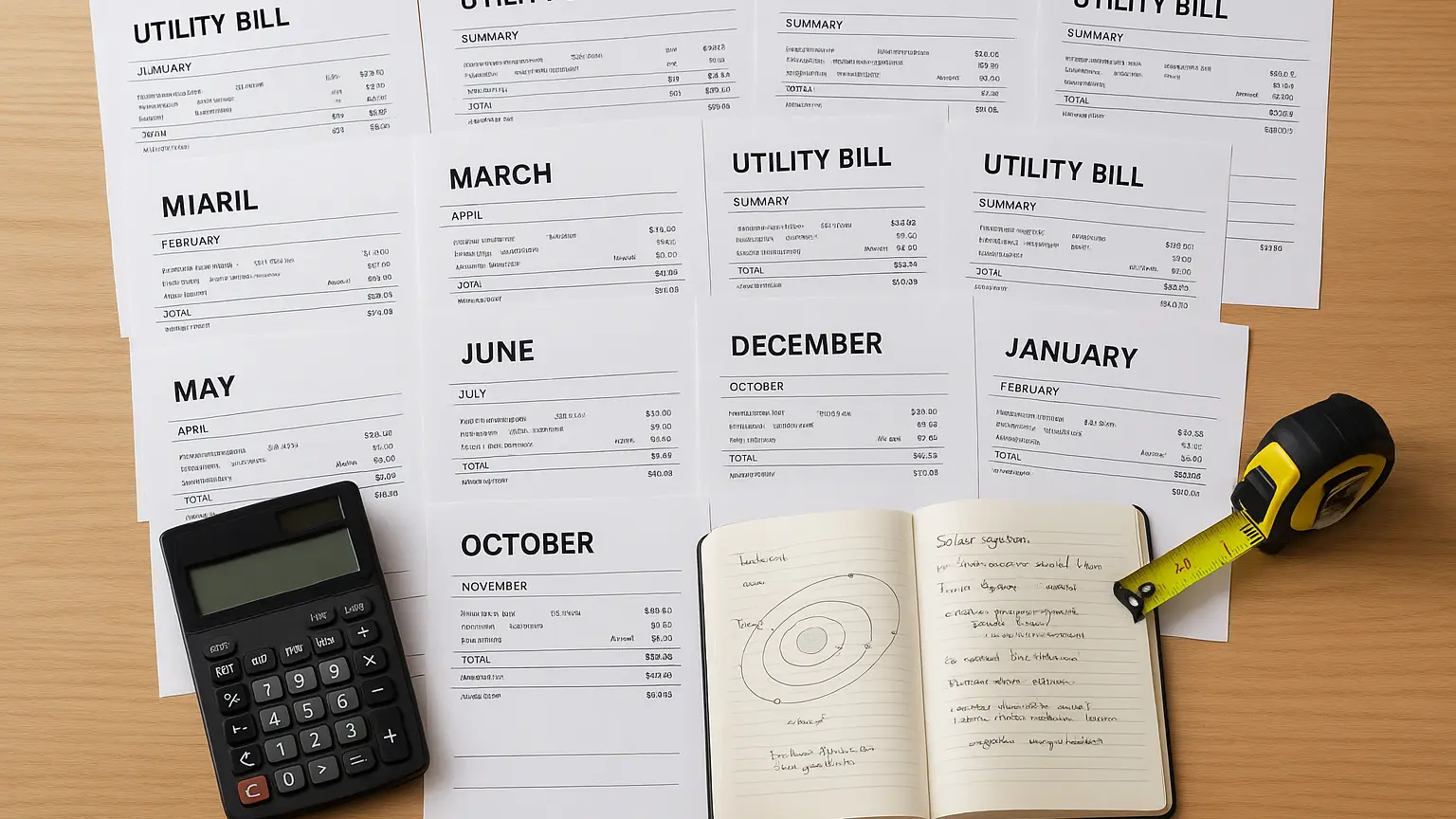
Pull up a full year of statements from your utility account. Not one month. A year. Summer and winter tell very different stories, and a system sized off an August bill in a hot climate will look silly in February.
You are hunting for a handful of numbers. Write them on one page and keep that page with you through every sales conversation.
Now Look Up
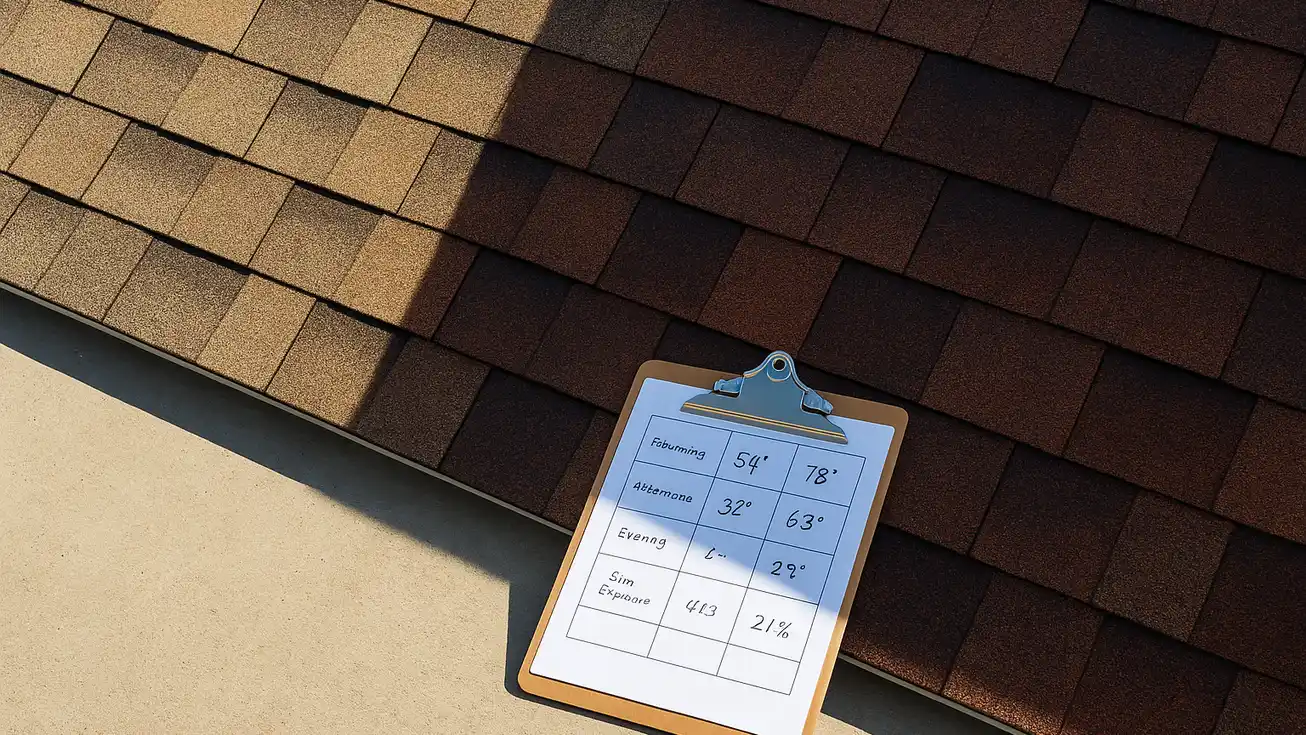
Roofs are where good solar plans die. Panels last about thirty years. Asphalt shingles often do not. If your roof has ten years left, you are looking at paying a crew to remove and reset an entire array later, and that runs into real money.
Get honest about age, decking condition, and existing leaks before anyone drills a lag bolt. Small repairs and flashing fixes are far cheaper handled first, the same logic that pushes rural owners to compare septic service companies in Arizona before a system backs up, which is why some homeowners line up a trusted handyman service for the prep work weeks before the solar crew arrives. Note your roof slope, which direction the main planes face, and anything that throws shade. That includes the neighbor's palo verde that is currently nine feet tall and will not stay that way.
A roof that faces mostly north, or one broken into six small planes by vents and valleys, is not disqualified. It just changes the design and the honest payback estimate. Better to know that on day one than to hear it as an excuse in year three.
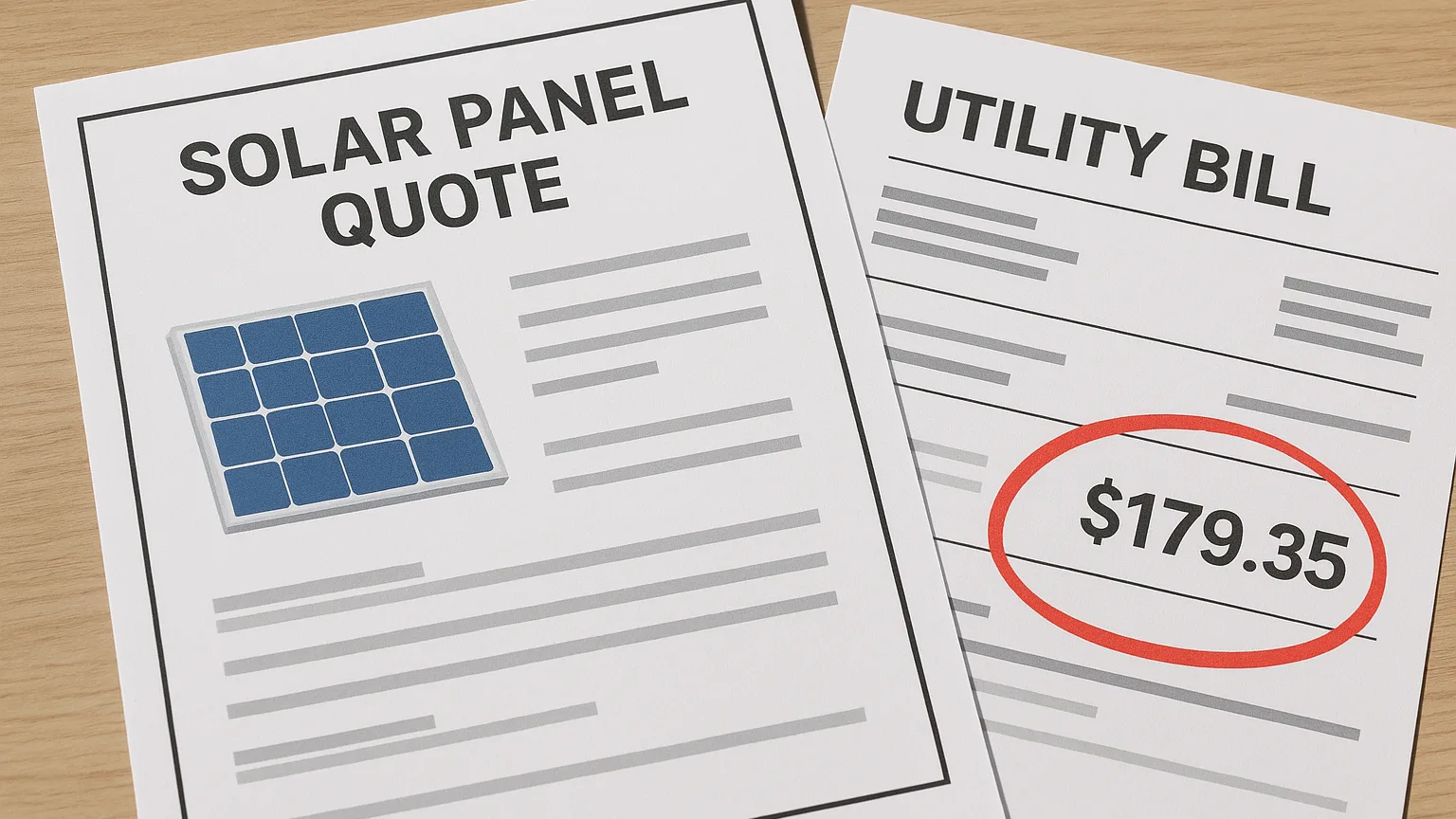
Solar pricing is confusing on purpose sometimes. The way you pay for the system can swing your lifetime cost more than the hardware ever will.
Four Ways To Pay, Four Very Different Outcomes
On incentives, treat every number in a sales deck as a claim to verify. The federal credit is a credit against tax owed, not a rebate check, so it only helps if you have the tax liability to use it. State and utility programs change, sometimes mid year. Ask which specific program applies to your address and what the current status of it is. The team at Capital Energy makes a useful distinction here between incentives you can count on and incentives that merely exist somewhere on paper.
Then there is the rate structure question, which quietly decides whether your extra production is worth full retail value or a fraction of it. That single detail reshapes payback more than a slightly better panel ever will, and it is exactly where number installers hope you never picks up the thread with the actual arithmetic.
Comparing Bids Beyond The Sticker Price
Three quotes, three totals, three different systems. Comparing them by price alone is how people end up disappointed. Line them up on one sheet and match these items across all three.
Vetting The Company Behind The Paperwork
A twenty five year warranty from a company with a three year history is a piece of paper. Check the contractor license, confirm who actually performs the install versus who subcontracts it, and read recent reviews for patterns rather than star counts. Reading how other homeowners in your region rank solar companies tends to reveal service habits that no brochure mentions. Arizona owners already apply that same sniff test when hiring septic service companies, and solar deserves the exact same scrutiny.
Permits, Inspection, And The Weeks Nobody Warns You About
After signing, expect a stretch of quiet. Engineering drawings, city permitting, and utility interconnection approval commonly take longer than the install itself. Panels can sit on your roof for weeks waiting on permission to operate, which is a reasonable window to clear unrelated small repairs with a vetted handyman crew. Ask for a written timeline with those milestones named, and ask who chases the utility when something stalls.
Before the crew leaves, get your monitoring app set up and confirm you can see production per panel or per string. That habit pays off later, because output rarely drops all at once, and quiet thing stealing your panels' is where small seasonal losses become visible.
The Homework That Pays You Back For Decades
Solar is not really a technology purchase. It is a twenty five year agreement between your roof, your utility rate plan, and a company you are trusting to still answer the phone in year twelve. When homeowners start with a sales appointment, they let someone else define all three. When they start with their own bill, their own roof, and their own honest numbers, the quotes stop being persuasive and start being comparable.
That is the step most people take dead last, and moving it to first changes everything downstream. You size the array to real usage instead of a satellite guess. You pick financing based on lifetime cost instead of a monthly payment. You read warranty language knowing which clause actually protects you. The panels that get installed look the same either way from the street. The difference shows up quietly, month after month, in a bill that keeps getting smaller while your neighbors wonder why theirs did not.
