
Part one made the case for treating your roof and your utility bill as the first stop, not the last. This part picks up right there, with a pencil and a calculator. Because the single most useful number in a solar deal is one that almost never shows up on a proposal: what one kilowatt hour from your own roof will actually cost you over the life of the system.
This series was developed with insights from Capital Energy, whose field experience with residential arrays shaped how we approach sizing, shading, and the gap between a glossy estimate and real production. The goal here is simple. By the time a sales rep sits at your kitchen table, you should already know roughly what your system should cost, how big it needs to be, and what a fair payback looks like.
The One Input Every Estimate Rests On
Every solar estimate rests on one input: peak sun hours. That is not how long the sun is up. It is the number of hours per day your location gets sunlight strong enough to make a panel work at its rated output. Phoenix and Tempe run in the range of five and a half to six and a half peak sun hours a day on average. Seattle sits closer to three and a half. Same panel, wildly different output.
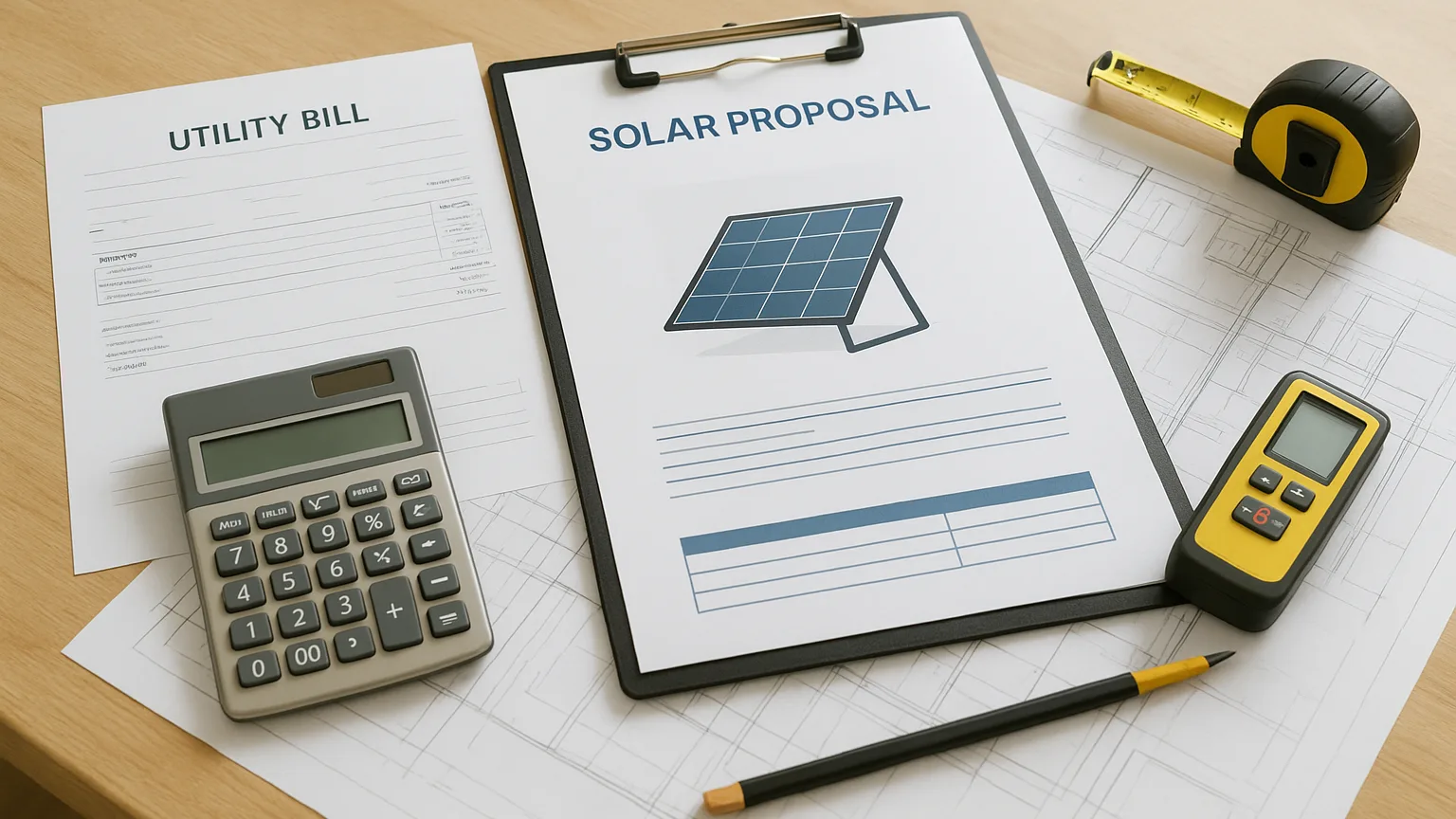
Here is the back of the napkin version you can run in two minutes:
- System size in kW multiplied by peak sun hours multiplied by 365 gives you raw annual production.
- Multiply that by 0.80 to account for real world losses: inverter conversion, wiring, dust, heat, and panel soiling.
- Compare that final figure to your annual kilowatt hour usage from your utility bill.
So a 7 kW system in Tempe at 6 peak sun hours pencils out to roughly 15,300 kWh raw, or about 12,250 kWh after losses. If your household burns 13,000 kWh a year, you are covering around 94 percent of it. That number alone tells you whether a proposal is honest or optimistic. When a bid claims production well above what this math supports, ask exactly which assumptions they changed.
Pitch, Orientation, And Shingle Life
Panels do not care about your enthusiasm. They care about pitch, orientation, and how many years the shingles have left. A south facing roof at roughly 20 to 30 degrees of pitch is the sweet spot in most of the country. West facing surfaces lose some annual total but can earn more money under time of use rates, because they produce late in the day when power is expensive. East facing runs the opposite way. North facing is usually a no.
The Age Question Nobody Enjoys
If your roof has fewer than ten years of life remaining, you are looking at a removal and reinstall bill somewhere in the range of two to five thousand dollars down the road. That expense belongs in your payback math whether or not the installer mentions it. Re-roofing before the array goes up is almost always cheaper than doing it afterward.
Shade Is Not All Or Nothing
A single branch crossing one panel at 3 p.m. can drag down a whole string on older inverter setups. Microinverters and power optimizers soften that, but they do not erase it. Get a shade report with your bid, and ask for the exact loss percentage they modeled. Shade also grows. Trees that clear your roof today may not in six years, which is one reason quiet thing stealing your panels' matters so much for long term output.
Roof condition is where homeowners tend to overestimate. The same honesty you would apply to any major system on the property, from the foundation to septic service in Arizona, applies here. Assume nothing, verify the age, and get a second opinion if the roofer works for the solar company.
Twelve Months Of Statements, Line By Line
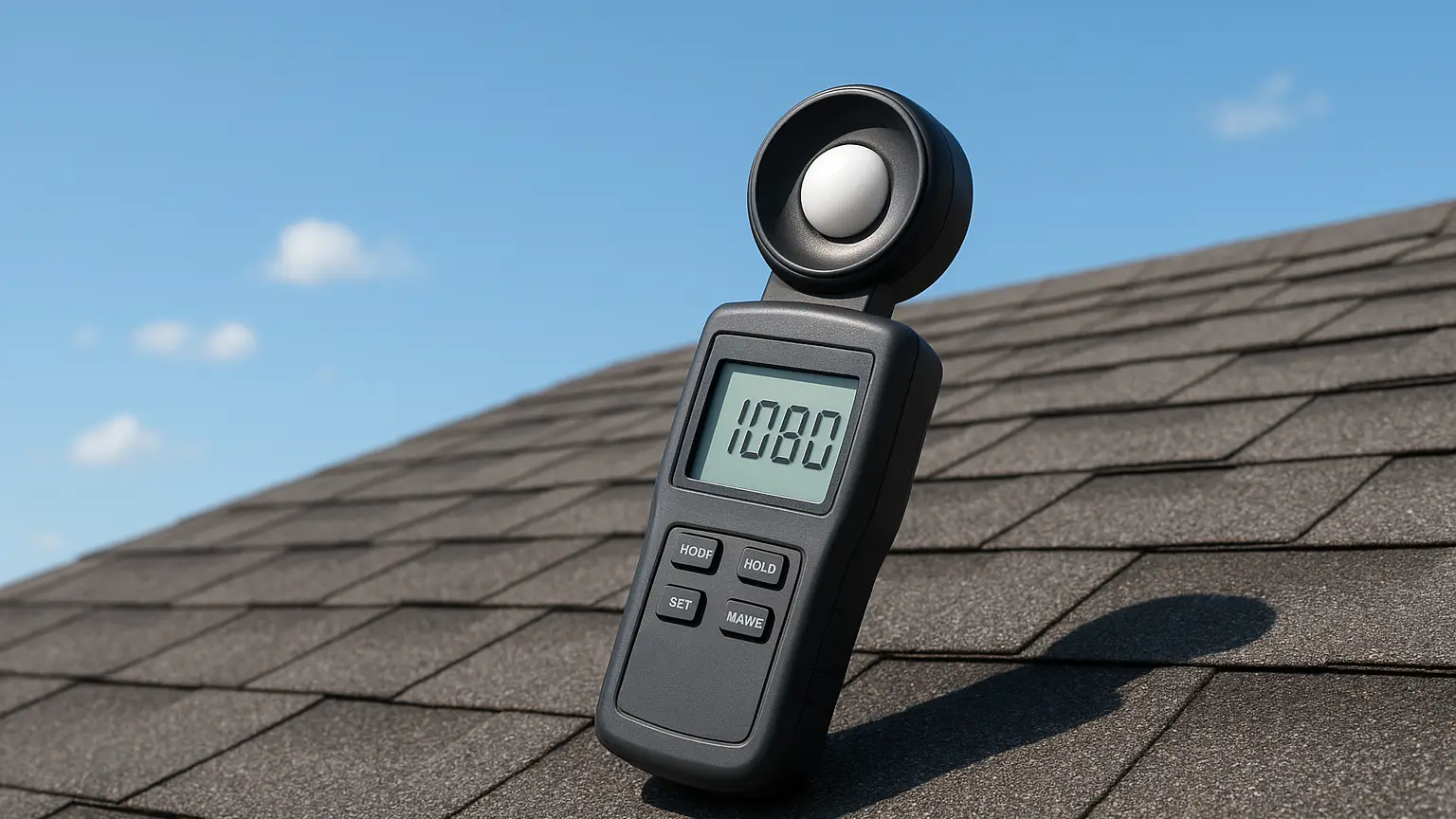
Pull twelve months of statements. Not one. Not a summer average. Twelve. Write down the kilowatt hours for each month and add them up. That annual total is the foundation of your system size, and it is the number a rushed sales visit will guess at instead of confirm.
Then look at the rate structure, because that is where the real money hides:
- Flat rate. One price per kWh all day. Simple math, simple savings.
- Tiered. Price climbs after you cross usage thresholds. Solar shaves off the most expensive tier first, which makes savings better than average.
- Time of use. Price varies by hour. Afternoon and early evening cost the most. Your panel orientation and any battery decision should be built around those peak windows.
- Demand charges. Increasingly common in Arizona. You get billed on your single highest hour of draw in the month, not just total usage. Solar alone may barely touch this, but a battery can.
"The homeowners who end up happiest are the ones who understood their rate plan before they understood their panels," says Marcus Delaney, senior residential systems consultant at Capital Energy. "Two identical roofs on two different plans can have paybacks four years apart."
The Net Metering Fine Print
Ask exactly what your utility pays for exported power. Full retail credit is the best case and is becoming rarer. Many utilities now use an export rate well below retail, which means power you consume on site is worth far more than power you send back. That single detail changes optimal system size. Under a low export rate, a slightly smaller system that matches your daytime use often beats a bigger one that dumps surplus onto the grid for pennies.
The Payback Number Worth Calculating Yourself
Forget monthly payment comparisons for a moment. Calculate your levelized cost of energy, or LCOE. It is the number that lets you compare solar against your utility on equal footing.
Take the net system cost after incentives. Divide it by the total kilowatt hours the system will produce over 25 years, discounted about 0.5 percent per year for panel degradation. The result is your cost per kWh. If your system nets out at $18,000 and produces roughly 290,000 kWh over 25 years, your LCOE is about 6.2 cents per kWh. If your utility charges 14 cents and raises rates 3 percent a year, the case makes itself.
Incentives, Counted Correctly
The federal credit reduces your tax liability, so it only helps if you owe federal tax. It is not a rebate check. Arizona adds a state credit capped at $1,000 plus a sales tax exemption and a property tax exemption on the added home value. Stack them in that order, and never let a proposal fold an incentive into a monthly payment estimate without showing the gross cost first.
Comparing Bids Without Getting Spun
Put every proposal on one page and force these fields to line up:
- Cost per watt before incentives. This is the great equalizer. Most quality residential installs land between $2.50 and $3.50 per watt.
- Panel model and wattage, plus the degradation rate in the warranty.
- Inverter type and its warranty length. Ten years versus twenty five is a real dollar difference.
- Year one production estimate in kWh, and the loss factor they assumed.
- Workmanship warranty and who honors it if the installer closes.
- Escalator clauses on any lease or power purchase agreement. A 2.9 percent annual escalator can quietly erase your savings by year fifteen.
Two bids that look $4,000 apart often are not, once you normalize for system size and equipment tier. Vetting the company behind the numbers matters as much as the numbers themselves, the same way you would check credentials before hiring any trade, whether that is a solar crew or a trusted handyman company for smaller work.
Where The Pencil Beats The Pitch
Solar rewards people who show up prepared. Peak sun hours set the ceiling. Roof pitch, orientation, and remaining shingle life set the practical limit. Twelve months of kilowatt hours set the size. Your rate structure and export credit set the value of every unit you make. Incentives adjust the price, and LCOE turns all of it into one clean figure you can hold up against your utility bill without anyone translating it for you.
None of this requires a background in engineering. It requires an hour, a calculator, and the willingness to ask a rep to justify any number that does not match your own. Homeowners who arrive at that meeting with their own math tend to get better pricing, cleaner contracts, and far fewer surprises in year three. Once the system is live and producing, the work shifts from arithmetic to attention, and the next part covers how to catch the slow, quiet output losses that creep in long after the installers have driven away.
