
Part two of this series handed you the math: sun hours, roof pitch, usage, rate structure, and the payback number that decides whether a bid is good or just loud. Now comes the part nobody puts in the sales deck. A solar array does not fail dramatically. It fades. And the fade almost always starts in the fall.
This series was shaped in part by the field experience of Capital Energy, whose crews spend their days on roofs where systems that once hit every production target are quietly running ten or fifteen percent light. The homeowners rarely notice. The bill creeps up, the weather gets blamed, and another year passes.
Why Autumn Is The Season That Exposes Everything
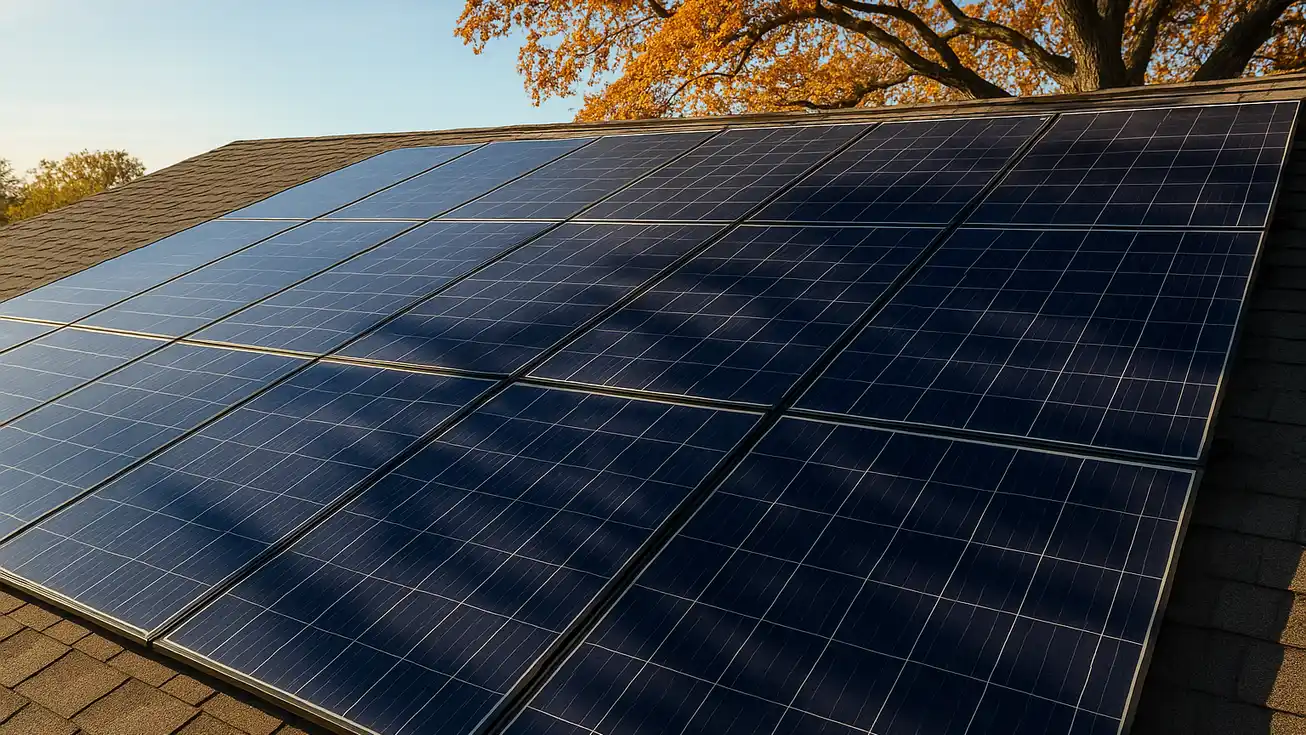
Summer hides problems. The sun sits high, days run long, and even a struggling array posts numbers that look fine on the app. Then September arrives, the sun drops lower, and every obstruction near your roof casts a shadow twice as long as it did in June. That oak you barely thought about now reaches the bottom row of panels at 3 p.m. The neighbor's second story addition throws a wedge of shade across your west array by four. A single shaded panel can drag down the whole string it is wired into, which is why a small shadow causes a disproportionate loss.
Add dust, pollen, and the first leaf fall, and you have perfect conditions for a slow slide that no alarm will ever flag. Your monitoring app will not tell you the system is underperforming. It only tells you what the system produced. Knowing whether that number is good is entirely on you.
Turning Production Data Into Early Warnings
Most homeowners open their monitoring app twice: the week it goes live, and the month the utility bill surprises them. In between, the data sits there doing nothing useful. The fix takes about ten minutes a month.
Build A Baseline You Can Actually Compare Against
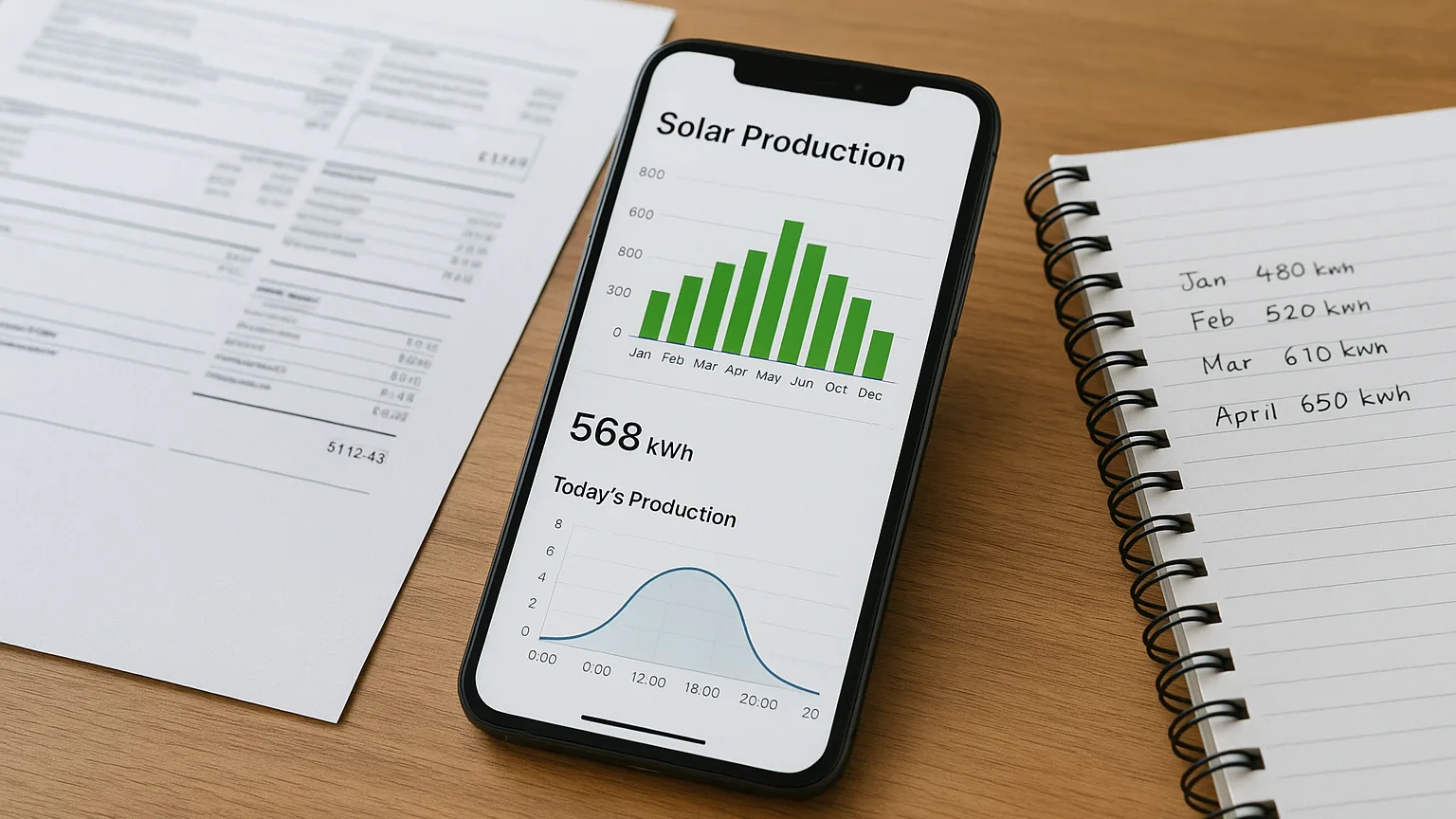
Write down your monthly kilowatt hour production for the first full year. That is your reference set. Every year after, compare month against the same month, not against last month. September always beats November; that tells you nothing. September 2027 against September 2026 tells you everything.
Panels degrade, but slowly, roughly half a percent of output per year for a quality module. If your October is down two percent from last October, weather probably explains it. Down twelve percent and something physical changed on your roof.
Watch The Shape Of The Day, Not Just The Total
The daily production curve is the most underused diagnostic tool you own. A healthy clear day makes a smooth arch, and problems show up as distortions in that arch:
- A notch or dip on one side usually means shade moving across the array at a predictable hour
- A flat top can indicate inverter clipping, which is sometimes normal and sometimes a sign of a sizing issue
- A curve that starts late or quits early points to obstruction near the horizon, often growth you stopped noticing
- One panel or string consistently trailing the others signals soiling, a failed optimizer, or a connection problem
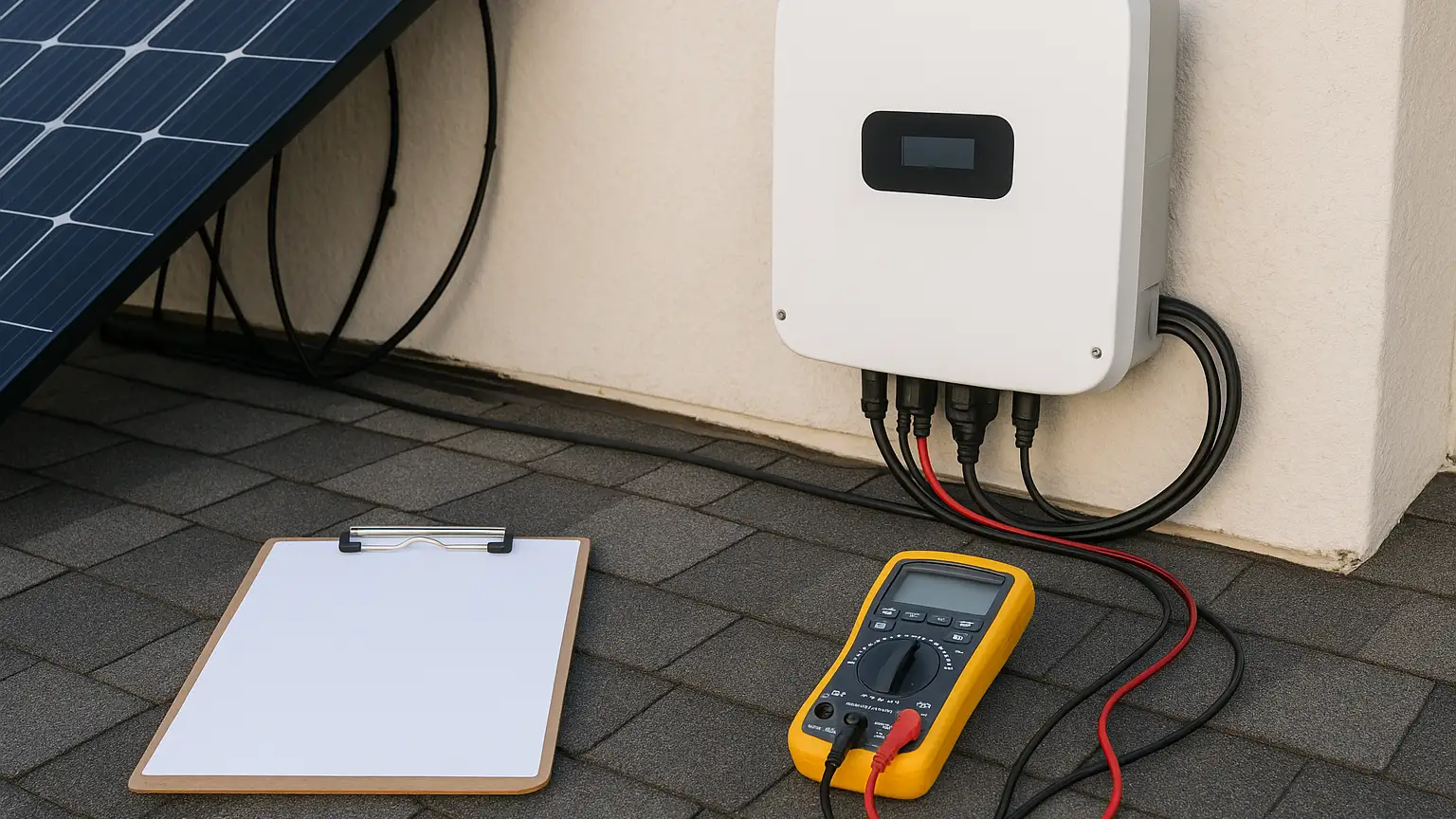
If your system uses microinverters or optimizers, you can see panel level data. Sort by output and look at the bottom three. If the same panels are always last, that is your inspection list. That granularity is a real advantage worth weighing when you compare quotes and decide which equipment ends up on your roof.
When Trees Grow And Grime Settles On Glass
Shade creep is the slowest thief in the business. A tree that cleared your roofline at installation grows one to three feet a year. Five years later it is a different tree, and your array knows it long before you do. Walk your property in late October, around two or three in the afternoon, and look at the roof from several angles, not just the driveway. Photograph it on the same weekend every year and creeping shadows become obvious. Trimming a few limbs costs far less than the production you lose over a decade of ignoring them.
What Actually Needs Cleaning And What Does Not
The cleaning question gets oversold. In climates with regular rain, panels largely take care of themselves. In dry, dusty regions, the story changes. Fine dust bonds to glass and does not rinse off, and arrays in arid areas can lose meaningful output between rain events, which is why homeowners comparing in phoenix vetted picks should ask every installer what their cleaning recommendation is for local conditions.
Beyond dust, watch for these specific problems:
- Bird droppings and nesting debris, which block light completely rather than dimming it
- Pollen film in spring, which builds fast and holds dust
- Leaf buildup along the lower panel edge, which traps moisture and shades cells
- Pine needles wedged under frames, a genuine fire and drainage concern
Use water and a soft brush on a cool morning. Never spray cold water on hot glass, and never use anything abrasive. If your roof is steep or high, hire it out. A professional cleaning costs less than an emergency room visit, and the same logic applies to any roof work, whether it is panel service or the routine home maintenance a good ranked handyman companies list can help you source.
Inverters, Warranties, And The Battery Question
Your panels will likely outlive your mortgage. Your inverter almost certainly will not. String inverters typically run ten to fifteen years, while microinverters and optimizers often carry twenty five year warranties, closer to the panels themselves. That gap is the single largest ownership cost most homeowners forget to plan for. If you have a string inverter, budget for a replacement around year twelve and set the money aside quietly, the same way you would for a water heater or the periodic pumping that septic service companies handle on a fixed cycle. An unplanned inverter failure in January feels like a disaster. A planned one is just a Tuesday.
Know What Your Paperwork Actually Covers
Pull your warranty documents out once and read them properly. There are usually three separate coverages, and they rarely expire together:
- Product warranty on the panels themselves, covering manufacturing defects
- Performance warranty, guaranteeing a minimum output percentage at years ten and twenty five
- Workmanship warranty from the installer, covering mounting, flashing, and wiring
That third one matters most and varies most, running anywhere from five to twenty five years. It also depends entirely on your installer still being in business, a point that came up repeatedly in the vetting advice from Capital Energy and one worth revisiting if the choice of contractor is still on your mind.
Adding Storage Later Without Regret
Batteries get pitched hard in the fall, when outage season and rate changes are fresh in everyone's mind. Before you say yes, get clear on what you want the battery to do. Backing up a refrigerator, a few lights, and a router during outages is modest and achievable; running your whole house off grid is a far more expensive project. Check whether your existing inverter is storage ready, because retrofitting a battery onto a system never designed for one can mean replacing hardware you already paid for. Check how your utility treats stored energy too, since in some rate structures a battery pays for itself and in others it barely moves the needle.
The Annual Check-In That Keeps The Numbers Honest
Pick a date in early October and make it your solar day. Compare this year's monthly production against your baseline. Photograph the roof at mid afternoon. Look at the daily curves from three clear days. Check panel level output and note any consistent laggards. Walk the perimeter and look up at tree growth. Confirm your inverter shows no fault codes, and that your monitoring account email is still one you read. The whole routine takes under an hour. It is the difference between catching a failed optimizer in week three and finding it in year three, after it quietly cost you hundreds of dollars you never knew you were missing.
From Signature To Sunlight, The Full Circle
Across these three pieces, the through line has been the same: solar rewards homeowners who stay curious. Part one argued for putting the least glamorous step first, understanding your own consumption before anyone measures your roof. Part two put real numbers behind the decision so a bid could be judged on payback rather than sticker price. This final piece asks for something smaller but longer lasting, an hour a year spent making sure the system you researched so carefully is still doing what it promised. The panels on your roof are not appliances you install and forget. They are a small power plant with a thirty year horizon, and they respond to attention. Trim the tree before it reaches the second row. Replace the inverter before it strands you. Rinse the glass before the dust becomes a film. Do those things and the arithmetic you ran before you signed holds up decade after decade, quietly, through every fall that follows.
